The deal was supposed to happen in Islamabad. Envoys were ready, bags were packed, and Pakistan had basically turned its capital into a fortress to ensure the high-stakes meeting between US and Iranian officials went off without a hitch. Then, in typical fashion, Donald Trump pulled the plug.
By scrapping the visit of Steve Witkoff and Jared Kushner to Pakistan this weekend, Trump didn't just cancel a flight; he sent a blunt message to Tehran that the "Art of the Deal" version of 2026 diplomacy is a one-way street. If you're looking for the reason behind the sudden collapse, it isn't just about the 18-hour flight time Trump complained about on Truth Social. It’s about a massive gap in expectations and a President who’s convinced he holds every single card in a very dangerous game.
The 18-hour flight excuse and the reality of the blockade
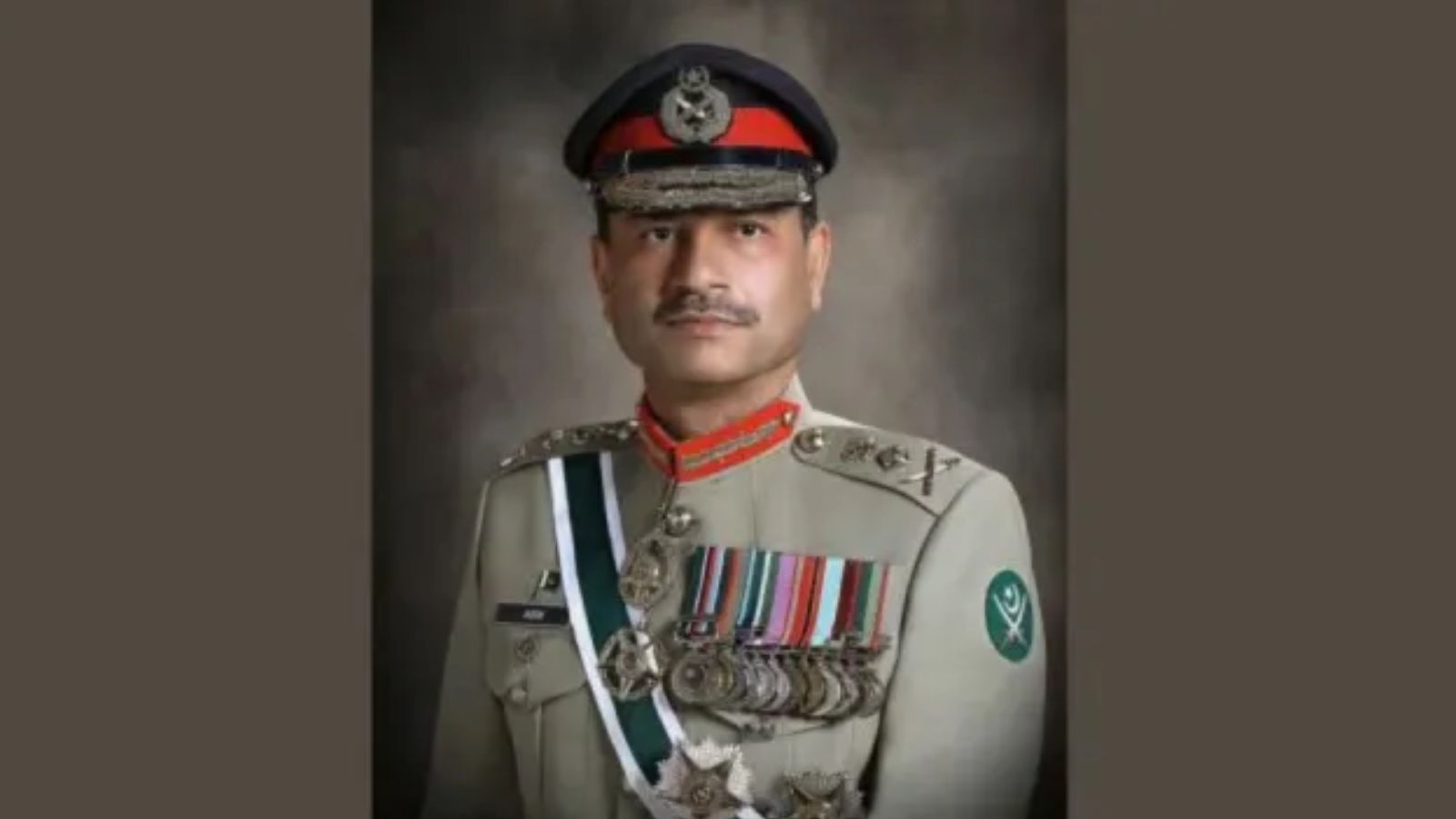
Trump’s public reasoning was classic—he claimed he didn’t want his people "sitting around talking about nothing" after a grueling journey. But let’s look at what was actually happening on the ground. Iranian Foreign Minister Abbas Araghchi had just finished a marathon of meetings with Pakistani Prime Minister Shehbaz Sharif and military chief Asim Munir.
The Iranians weren't coming to the table to surrender. They were demanding an end to the naval blockade on their ports as a prerequisite for even starting the conversation. For Trump, that’s a non-starter. He sees the blockade—which has choked Iranian oil exports and sent global energy prices into a tailspin—as his primary point of leverage.
Tehran’s stance was clear: no direct talks with Americans while the ships are blocked. Trump’s stance was equally rigid: no lifting the pressure until a "better paper" is on his desk. When Iran signaled they’d only talk through Pakistani intermediaries, Trump decided it wasn't worth the jet fuel.
Why Pakistan is stuck in the middle
You have to feel for the Pakistani leadership here. They’ve spent weeks positioning themselves as the only bridge between a vengeful Washington and a battered but defiant Tehran. Islamabad is desperate to end this conflict because they're feeling the heat—literally and economically—from the chaos next door.
- The Energy Crisis: With the Strait of Hormuz effectively a no-go zone, Pakistan’s fuel costs are skyrocketing.
- Border Security: Any escalation in the US-Israel war on Iran spills over into Pakistan’s Balochistan province.
- Diplomatic Prestige: Being the broker of a "Great Peace" would have been a massive win for the Sharif government.
Instead, they’re left holding the bag. Araghchi left Islamabad for Oman almost immediately after Trump’s announcement, essentially saying that Iran hasn't seen any evidence the US is "serious" about diplomacy.
The "10-Minute" offer that changed nothing
One of the weirdest details of this collapse is Trump’s claim that Iran sent over a new proposal exactly 10 minutes after he canceled the trip. He told reporters in West Palm Beach that the new "paper" was better than the last one, but still not good enough.
This tells us two things about the current state of negotiations. First, the "maximum pressure" tactic is definitely rattling Tehran’s cage. They’re moving fast when they think the door is closing. Second, Trump is looking for a total win. He’s not interested in the incremental, "step-by-step" diplomacy that characterized the 2015 nuclear deal era. He wants a document that addresses everything from the nuclear program to the ballistic missiles and the regional proxies in one go.
What the Iranians are actually thinking
Don't mistake Iran’s willingness to send "papers" for total weakness. Within the Iranian leadership, there’s a massive internal rift. Trump touched on this when he mentioned "tremendous infighting." While President Masoud Pezeshkian might be looking for a way to breathe through the blockade, the hardliners—now led by Mojtaba Khamenei after the death of his father in the recent strikes—aren't ready to bend the knee.
They view the US as an unreliable partner that breaks deals (pointing to the 2018 JCPOA exit). From their perspective, giving up their only leverage—the threat to global shipping in the Strait—without a guaranteed end to the blockade is strategic suicide.
No, this doesn't mean a return to total war
Despite the dramatic "collapse" headlines, there’s a silver lining. Trump explicitly stated that canceling the trip "does not mean a restart of war." The two-week ceasefire, which was recently extended, is still technically holding.
We’re in a period of "diplomatic chicken." Both sides are staring each other down, waiting for the other to blink. Trump is betting that the economic collapse inside Iran will force a phone call. Iran is betting that the global pressure from high oil prices and the strain on the US military will force Trump to ease the blockade.
What happens next for your wallet and the world
If you're wondering why this matters to you, look at the gas pump. The uncertainty from this weekend’s failed Islamabad talks means the Strait of Hormuz stays closed or highly restricted.
- Watch the Oil Markets: Expect a price spike on Monday morning as traders realize a quick diplomatic fix isn't coming.
- Monitor Oman: Since Araghchi headed to Muscat right after Pakistan, the focus shifts. Oman has a long history of "quiet" mediation that often works better than the high-profile spectacles Trump likes.
- Keep an eye on the Blockade: If the US navy tightens the screws on the remaining Iranian "ghost fleet" tankers, expect Iran to retaliate against commercial shipping from other nations.
The talks didn't just collapse because of a long flight. They collapsed because the gap between "unconditional surrender" and "mutual respect" is still a canyon that Pakistan, for all its effort, couldn't bridge. Trump is staying home, the blockade stays up, and the world stays on edge. Don't expect a breakthrough until someone decides that talking "about nothing" is better than the alternative.