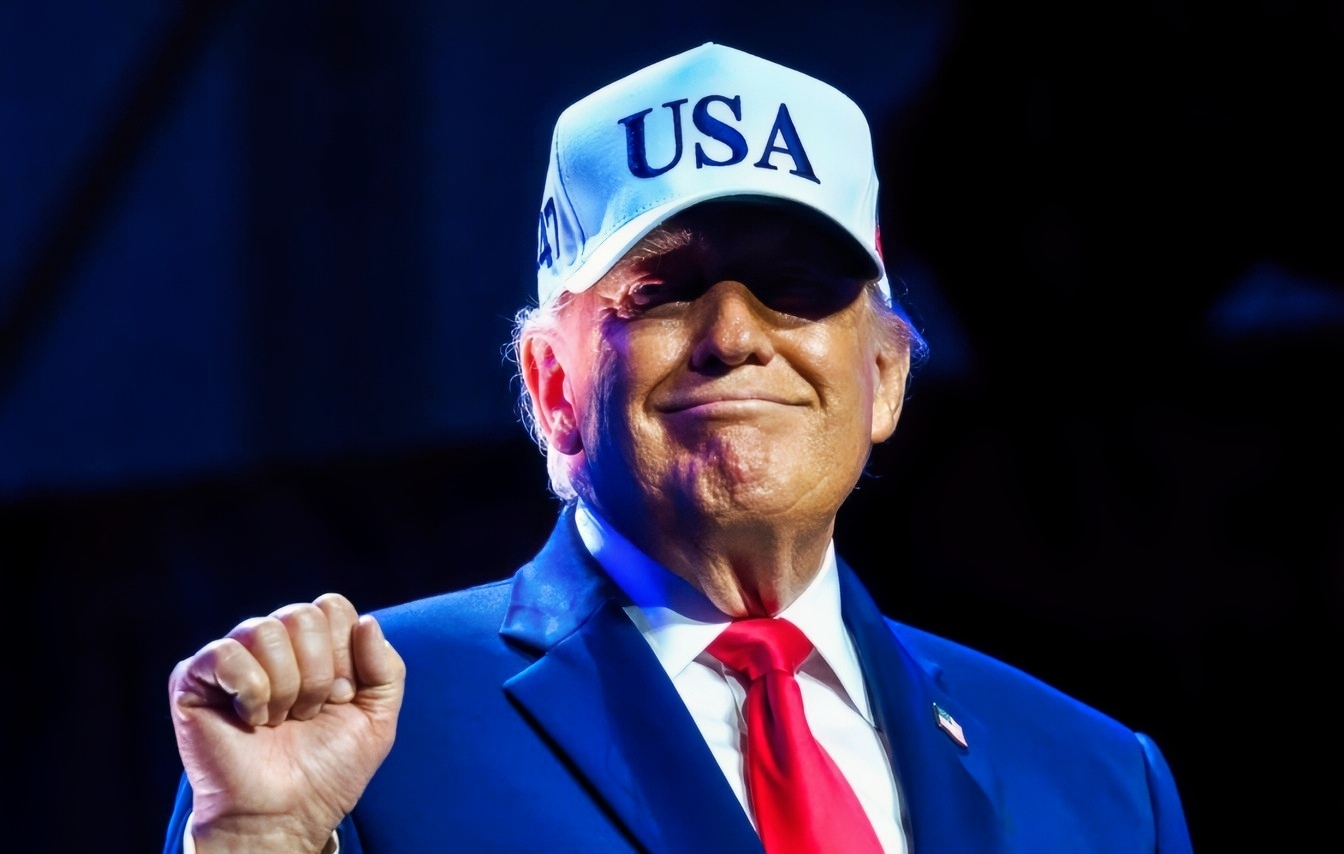
"Wait till you see what we do to Iran. We're going to do a number." When President Donald Trump stepped up to the podium in Wasilla, Alaska, in mid-October 2026 and told a rally crowd that Washington had "sort of had it" with Tehran, the clip spread fast. Most short wire recaps stopped right there. They treated the line like a throwaway campaign soundbite ahead of the November 3 midterms.
Honestly, that misses the real story. By mid-October, the conflict with Iran wasn't some hypothetical future crisis. U.S. forces were already enforcing a maritime blockade around the Strait of Hormuz, regional shipping was tangled in escalating strikes, and the White House was juggling military readiness reports alongside backchannel talks. Saying he had "had it" wasn't just venting frustration at a rally. It was a window into a president caught between tough talk on nuclear prevention, steep energy costs at home, and growing political fallout inside his own party.
What Trump Actually Said in Wasilla and Why the Timing Matters
Context changes everything when you read a political speech. On October 13, 2026—covered widely the next day—Trump spoke at the Curtis D. Menard Memorial Sports Center in Wasilla, Alaska, campaigning for Republican candidates weeks before the midterm vote. In those remarks, he warned that Washington was ready to take hard action against Iran while repeating his core line that Tehran will never get a nuclear weapon, claiming past strikes had buried nuclear capabilities under thousands of tons of rock.
Look closely at the wording, though. Trump didn't announce a brand-new war plan from the stage. Instead, he swung between sharp threats ("do a number" on Iran, warning that letting Tehran get a nuclear bomb would bring "real trouble") and claims that the U.S. had already achieved its main goal. Around the same period, news reports pointed to Pentagon contingency planning for potential renewed combat operations, even as Trump publicly insisted on Truth Social that talks with Tehran were underway and ruled out a major strike before the November 3 midterms.
That tension shows up across Trump's Iran messaging. One day he projects maximum pressure and naval dominance; another day he says talks are moving forward or argues the conflict's core objective is already settled. If you read his rally lines as a literal countdown clock, you'll get burned. Watch the leverage points instead.
How the Strait of Hormuz Blockade and Regional Strikes Shaped the Standoff
Talk about doing a number on Iran doesn't happen in a vacuum. By fall 2026, maritime pressure in the Persian Gulf and the Strait of Hormuz had become central to Washington's strategy. In his Truth Social posts around the Alaska rally, Trump emphasized keeping a blockade on Iranian maritime traffic while claiming massive volumes of non-Iranian oil were still moving through the Strait of Hormuz.
In reality, the waterway has been a high-stakes tug-of-war rather than a calm shipping lane. Analysts tracking force posture, such as researchers at Israel's Institute for National Security Studies (INSS), noted that the U.S. maintained heavy naval deployments and expanded blockade efforts—including standing up Task Force Iron Gate in November to target land and Caspian routes used by the Islamic Revolutionary Guard Corps—while Iranian forces kept up maritime harassment and retaliatory strikes. By mid-November, regional officials and wire reports tracked renewed tit-for-tat exchanges, including attacks hitting Gulf sites such as facilities in Bahrain and Kuwait alongside ongoing diplomatic scrambling by Gulf states, Turkey, and Pakistan to stop a full-scale escalation.
Why Energy Prices and Domestic Politics Collided With Tough Talk
Here's the part basic wire summaries barely touch: foreign policy and kitchen-table prices collided hard during the 2026 campaign cycle. At the Alaska rally, Trump argued that higher oil prices tied to the Iran conflict were a "small price to pay" to keep Iran from getting a nuclear weapon. Voters at the pump didn't always see it that way.
After Democrats won control of Congress in the November 2026 midterms, the political cost became impossible to ignore. Vice President JD Vance publicly blamed the unpopular war and higher gasoline prices for hurting working-class voters and costing Republicans seats. In a post-midterm 60 Minutes interview with Ross Douthat, Trump acknowledged that voters disliked the war and higher gas prices, even as he pushed back on claims that the war drove broader economic dissatisfaction and argued that stopping a nuclear Iran would look smart in hindsight.
That's a classic clash between long-term strategic rationale and short-term voter patience. You can defend a hard line in foreign capitals all day long, yet when gas spikes and households feel squeezed, those costs show up right at the ballot box.
Misconceptions That Trip People Up on Iran Headlines
Fast-moving geopolitical stories breed bad assumptions. Three misconceptions pop up constantly whenever a quote like "do a number" trends:
- A tough rally line means an immediate invasion. Presidents use blunt rhetoric on campaign stages to signal resolve and project strength to rivals and allies alike. Military directives, coalition dynamics, and diplomatic channels often move on a different track.
- Blockades and sanctions equal total calm. Even when officials tout shipping volumes or diplomatic openings, proxy activity, drone or missile exchanges, and maritime friction can flare up unpredictably around chokepoints like Hormuz and the Red Sea.
- All media coverage is identical. Wire dispatches give you the fastest snapshot of what was said and when, while deeper reporting—from 60 Minutes transcripts and investigative reports to INSS force-posture trackers—helps separate boastful framing from verified military and political shifts.
How to Track What Happens Next Without Getting Whipped Around
If you want to follow this story cleanly without getting pulled into every headline swing, keep your eye on concrete indicators rather than pure rhetoric. Check primary statements alongside independent reporting on U.S. Central Command posture, Strait of Hormuz shipping and blockade updates, and diplomatic moves by Gulf states and Washington. Watch whether rhetoric from the White House matches actual troop and naval movements—and pay attention to oil and gasoline prices, which remain the fastest barometer of how economic pressure is feeding back into U.S. politics.
- Read full quotes and transcripts when available. Short clips strip away qualifiers, pivots, and follow-up questions that change how a statement lands.
- Cross-check military claims against force-posture reports. Look for corroboration from defense reporting and policy institutes rather than taking any single social post at face value.
- Track regional diplomacy alongside deterrence. Watch how neighboring Gulf states, Turkey, Pakistan, and key allies respond, since regional pressure often shapes how far escalations go.