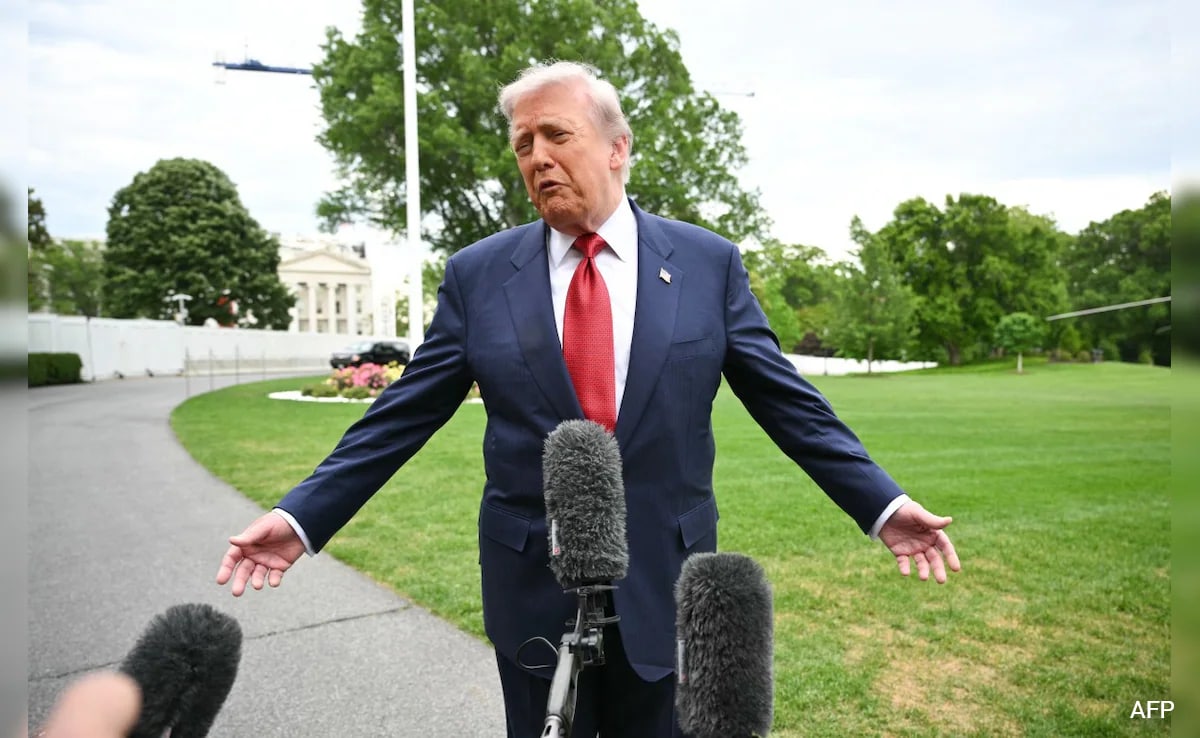
The global economy is currently holding its breath because of a narrow strip of water. While pundits have spent years obsessing over Iran’s centrifuges, the Trump administration just signaled that the nuclear issue isn’t the most urgent fire to put out. It's the Strait of Hormuz. Right now, getting oil flowing again is the only thing that matters to the White House, even if it means letting the nuclear talks gather dust for a few more weeks.
If you’re looking for a traditional diplomatic dance, you’re not going to find it here. Trump’s "Project Freedom" and his subsequent pause of that operation show a leader who’s realized that $120-a-barrel oil is a bigger threat to his political standing than a distant nuclear capability. The administration is essentially betting that they can squeeze Iran into opening the waterway by keeping a naval blockade on Iranian ports while dangling a ceasefire that’s as thin as a sheet of paper.
The Hormuz chokehold is the real war
Iran knows exactly what it's doing. By creating the "Persian Gulf Strait Authority" to collect tolls and vet ships, Tehran is trying to turn an international waterway into a private toll road. It’s a bold move that follows the February strikes where the U.S. and Israel targeted Iranian infrastructure. Since then, the Strait has been effectively closed to anyone Iran doesn't like.
Trump’s response has been classic Trump: a mix of "piracy" (his own words for seizing Iranian tankers) and high-stakes military chicken. Project Freedom was supposed to guide trapped ships out, but it quickly turned into a shooting gallery. On May 4, we saw U.S. forces destroying Iranian small boats and intercepting missiles. It's not a peace process; it's a maritime brawl.
- The Cost of Closure: Pre-conflict, 3,000 vessels used the Strait monthly. Now? It’s down to 5%.
- The Price at the Pump: Fuel prices in the U.S. have hit a four-year high.
- The Strategic Pivot: Trump has paused Project Freedom at Pakistan’s request to "see if a deal can be reached," but don't be fooled. The blockade on Iranian ports stays.
Why nuclear talks are sitting in the backseat
You’d think a nuclear-armed Iran would be the top priority. But the Islamabad talks in April proved that the two sides are miles apart. Trump wants "zero enrichment" and the removal of all past nuclear material. Iran’s new leadership—following the death of Ali Khamenei in February—isn't budging.
Honestly, the administration seems to have realized that the nuclear issue is a long-game problem, while the Hormuz closure is a "today" problem. If the Strait stays closed, the global economy chokes. If the nuclear talks stall, the status quo (as dangerous as it is) mostly continues. Trump has been direct about this: he’s not "satisfied" with the peace offers coming through Pakistan because they don't guarantee the "complete, immediate, and safe opening" of the waterway.
The failed diplomacy of Islamabad
Pakistan has been trying to play the hero, mediating between Washington and Tehran. But the "Islamabad Negotiations" ended without a signature for a reason. Trump’s team is demanding a 15-point plan that includes Iran dumping its proxies and its ballistic missiles. It’s an "unconditional surrender" vibe that Tehran simply won't swallow while they still have their hand on the world's oil faucet.
The White House is using the ceasefire as a carrot, but the stick is the U.S. Navy. By blockading Iranian ports while demanding the Strait open, Trump is trying to force Iran to pay for the war they're both fighting. It’s a messy, aggressive strategy that ignores the traditional "step-by-step" diplomacy of the past decade.
The Russian and Chinese factor
We can’t ignore that Russia is actually benefiting from this chaos. With the Strait closed, Russian oil becomes more valuable. China, meanwhile, is playing both sides—vetoing UN resolutions that condemn Iran while publicly calling for "freedom of navigation." They’ve even made side deals with Iran to keep their own ships moving through the chaos. Trump tried to get NATO and Japan to help, but they’ve stayed on the sidelines, leaving the U.S. to handle the heavy lifting alone.
What happens if the pause fails
The current "pause" in Project Freedom is a cooling-off period. If Pakistan can't broker a deal that opens the Strait by the end of May, expect the "glow" Trump warned about. He’s already threatened to blow Iranian forces "off the face of the earth" if they keep harassing commercial shipping.
For the average person, this means your gas prices aren't coming down anytime soon. The shipping industry is skeptical that any "safe passage" promised by the U.S. is actually safe. Only two U.S.-flagged vessels have dared to exit the Gulf since this started. That's not a reopening; it's a trickle.
If you’re watching this play out, keep your eyes on the port of Bandar Abbas. If the U.S. blockade there intensifies, Iran will likely retaliate by mining the Strait further. We aren't looking at a nuclear treaty in 2026; we're looking at a fight for the world's most important shipping lane.
The next move isn't at a negotiating table in Islamabad. It’s on the deck of a destroyer in the Persian Gulf. Watch the Brent Crude ticker—it’ll tell you more about the success of these "talks" than any White House press release.