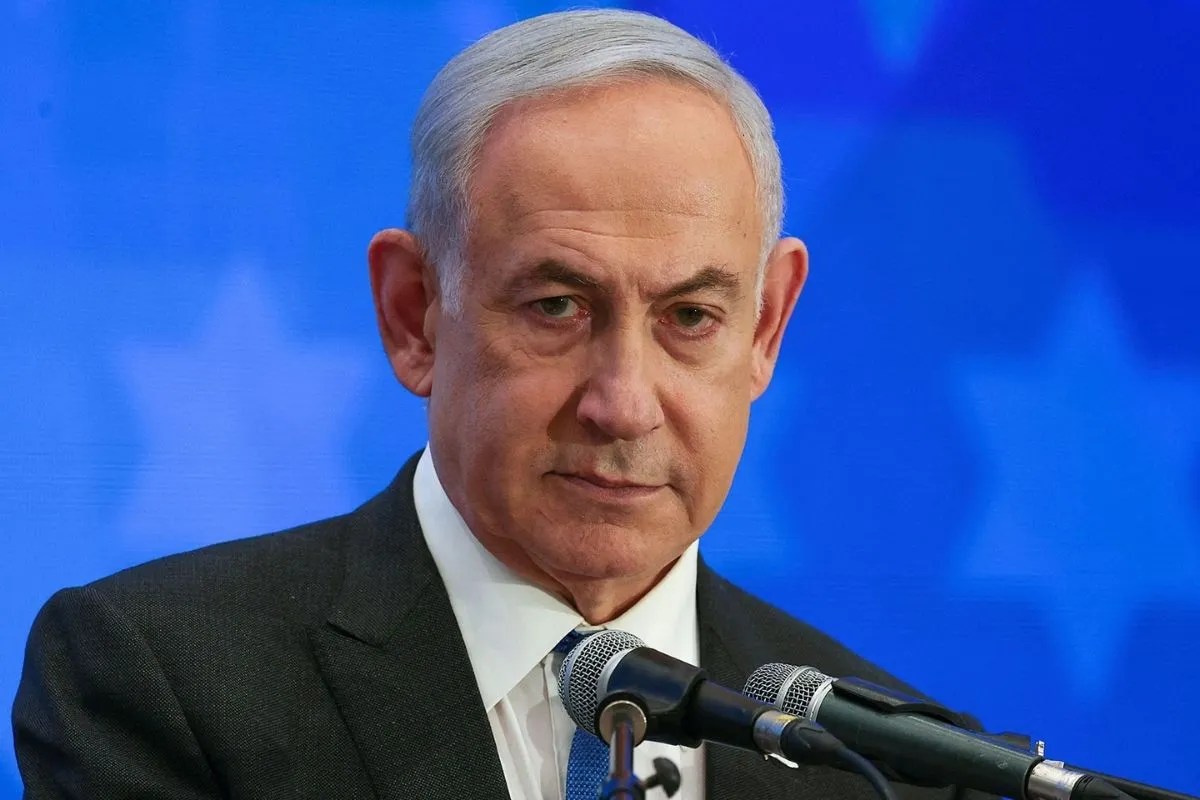
Benjamin Netanyahu wants regime change in Tehran. Donald Trump holds the lever that decides whether Israel actually gets there.
Eight months into the 2026 conflict that erupted with joint U.S.-Israeli strikes on February 28, the dynamic between Washington and Jerusalem isn't a neat, synchronized partnership. Honestly, it's a high-stakes tug-of-war disguised as alignment. Netanyahu keeps pushing for harder, wider blows against Iran and tighter pressure on Hezbollah. Trump keeps weighing military force, naval deployments, and diplomatic or economic leverage on his own clock—and for his own political reasons.
If you're trying to figure out how much Trump actually shapes Netanyahu's strategy from overthrowing Tehran's leadership to containing Hezbollah, the short answer is everything. Israel can hit targets, intercept shipments, and run covert operations. Without Washington's backing, though, turning tactical blows into lasting regional transformation gets a lot harder.
Why Trump's Role in Netanyahu's Strategy Isn't One Size Fits All
Watching Middle East headlines, people often treat Washington and Jerusalem like two halves of the same brain. That's a mistake.
Netanyahu has framed the campaign against Iran around existential survival and toppling the Islamic Republic's ruling order. Following the February 28 escalation—which saw major U.S.-Israeli strikes and the assassination of Supreme Leader Ali Khamenei—Netanyahu leaned openly into the regime-change goal. Even after Israel's October 2026 election left him leading a caretaker government amid coalition negotiations, reports indicate he and close allies kept lobbying Washington for renewed strikes while debating covert options.
Trump operates differently. His posture blends heavy military signaling—including deploying up to three U.S. aircraft carriers to the region—with transactional calculation, shifting timelines, and an eye on wider economic shockwaves. Analysts tracking the conflict, such as researchers at the Japan Institute of International Affairs, have pointed out that Trump's "peace through strength" approach uses force aggressively, yet doesn't automatically lock the U.S. into open-ended nation-building or identical war aims.
Here's where their priorities overlap—and where friction shows up:
- Escalation timing: Netanyahu's camp has pressed for immediate or renewed strikes on Iran, while Trump has weighed options carefully and pointed toward potential timelines extending into 2027 depending on circumstances.
- Internal pushback: Even inside Israel's own security establishment, officials have debated the wisdom of major moves during a political transition, showing that Netanyahu isn't just convincing Trump—he's managing domestic friction too.
- Regional blowback: Iran's retaliation across Gulf states, shipping lanes, and the Strait of Hormuz directly affects global energy markets and U.S. allies in ways that hit Washington's calculus fast.
Regime Change in Iran Sounds Bold on Paper, Yet Hits Hard Reality
Let's be real. Overthrowing a deeply entrenched political and security system from the air or via covert pressure is one of the toughest bets in modern statecraft.
Strike campaigns can degrade nuclear sites, rattle missile inventories, and remove top figures. Still, as commentary from outlets like The Times of India has noted in examining the gap between military strikes and political collapse, weakening a regime isn't the same as replacing it. The Islamic Revolutionary Guard Corps (IRGC) and domestic security institutions still wield massive coercive power inside Iran, even amid fierce domestic anger and economic strain.
Trump's rhetoric has swung between urging Iranians to seize their future and hinting at U.S. say over future leadership, while simultaneously warning that failing to achieve decisive outcomes could look like a defeat. That creates a weird bind for Netanyahu:
- Netanyahu needs U.S. weight to sustain pressure on Tehran's military and economic lifelines.
- Trump wants to avoid getting bogged down in a messy quagmire or an unmanageable regional oil shock.
In practice, that means Trump acts as both accelerator and brake. When Washington backs heavy strikes or tightens sanctions and financial pressure, Netanyahu gains room to maneuver. When Washington hesitates or signals caution about escalation, Israel's room to force regime change shrinks fast.
How Hezbollah Fits Into the Same Chessboard
You can't separate Tehran from Hezbollah. For years, Iran built its regional deterrence around armed partners—Hezbollah in Lebanon, the Houthis in Yemen, and militias in Iraq.
For Israel, Hezbollah isn't an abstract geopolitical theory. It's a northern border threat tied directly to Iran's supply lines and regional strategy. Israel has continued interdicting arms transfers and conducting targeted strikes in Lebanon to stop Hezbollah from rebuilding or rearming at full scale.
Where does Trump come in here? Washington shapes the diplomatic and military perimeter around Lebanon and the wider "Axis of Resistance". Reporting from outlets like L'Orient Today and The Times of Israel highlights how U.S. diplomatic pushes—such as urging Hezbollah disarmament, backing UN Security Council frameworks, and pressing against militia networks in Iraq—intersect with Israeli military pressure.
Still, Hezbollah's calculus isn't purely mechanical. Even when Tehran takes heavy hits, Lebanese political dynamics, UN peacekeeping transitions, and local survival instincts shape whether Hezbollah escalates or holds back. Trump's influence matters most when U.S. deterrence keeps regional actors from opening multiple fronts at once—or when U.S. diplomacy creates leverage that military force alone can't lock in.
Common Misconceptions About This Alliance
People love simple stories about Middle East politics. Usually, the reality is messier.
Misconception 1: If Netanyahu asks for a strike, Trump automatically says yes.
Not necessarily. Even when both leaders share hostility toward Tehran's nuclear and regional ambitions, Trump weighs U.S. force protection, Gulf ally reactions, oil prices through the Strait of Hormuz, and domestic U.S. politics.
Misconception 2: Weakening Hezbollah and Iran automatically guarantees calm.
History keeps disproving that one. Pressure on one front can push adversaries toward asymmetric tactics, cyber disruptions, naval mines, or proxy flare-ups elsewhere.
Misconception 3: Regime change is a neat "on/off" switch.
Political systems rarely snap cleanly on command. Without a viable internal alternative and clear post-conflict planning, external pressure can produce prolonged instability instead of a friendly government.
Practical Ways to Track What Happens Next
If you follow this conflict closely—whether for policy research, business risk, or plain curiosity—don't get hooked on every fiery headline. Watch the signals that actually move the needle:
- Track U.S. force posture and maritime security: Carrier deployments, naval mine incidents in the Strait of Hormuz, and shipping advisories tell you more about real escalation risk than speeches do.
- Watch Israeli coalition politics: Netanyahu's standing in Israel's post-election Knesset negotiations and debates with security officials directly affect how urgently his team pushes Washington.
- Follow diplomatic tracks alongside strikes: Keep an eye on UN resolutions on Lebanon, sanctions enforcement, and backchannel talks—those often reveal where Washington wants an off-ramp or a containment line.
- Cross-check multiple perspectives: Compare reporting from regional outlets, international wire services like AP News, and independent strategic institutes so you spot spin early.
The bottom line is pretty straightforward. Netanyahu can set the ambition, but Trump's decisions on force, diplomacy, and risk tolerance largely determine how far that ambition goes.
Could Trump and Netanyahu's 'strategy of regime change' unleash a civil war in Iran?
This video directly explores the central tension around regime change in Iran and how Trump and Netanyahu's approach could reshape regional stability.