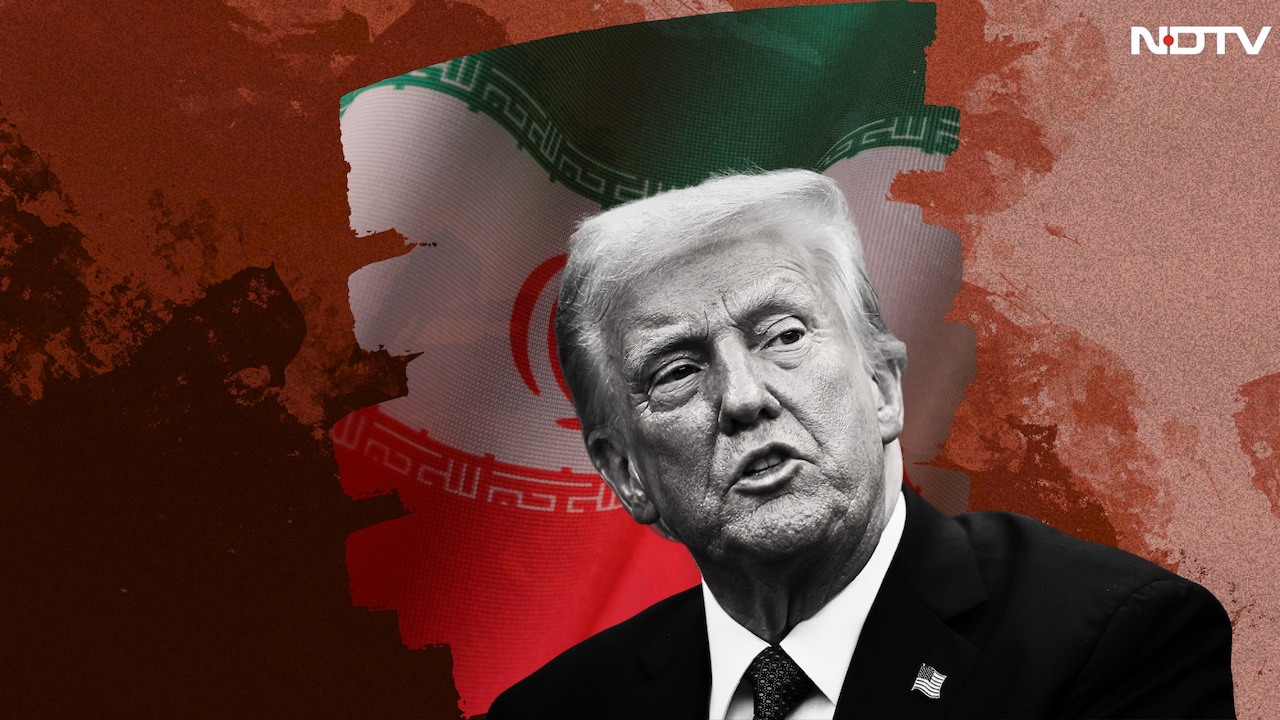
President Donald Trump doesn't buy the claim that China and Russia are throwing a lifeline to Iran. Asked about whether Beijing or Moscow are helping Tehran amid escalating regional friction and shipping attacks in the Gulf, Trump pushed back hard, saying he doesn't believe they're helping at all—or if they are, it's only "at a very low level"—because both powers have "too much to lose" and Washington would spot it fast.
That's a bold bet. Honestly, it's also a debate that splits Washington right down the middle.
When a president says Beijing and Moscow have too much to lose, he isn't talking about sentimentality. He's talking about cold leverage. China relies heavily on global trade, export markets, and diplomatic breathing room with the United States, especially with high-stakes leaders' diplomacy happening around APEC and bilateral talks. Russia is juggling war costs in Ukraine, sanctions pressure, and its own bargaining chips with Washington. From Trump's vantage point, openly bankrolling or arming Tehran against U.S. interests invites swift American retaliation and wrecks bigger strategic negotiations.
Why Trump Sees Restraint Instead of Collusion
Look at how Trump frames great-power politics. He tends to treat major capitals like pragmatic dealmakers calculating downside risk rather than ideological crusaders signing blank checks. If Beijing or Moscow crossed a clear red line to help Iran target U.S. forces or bypass core American pressure, Trump argued they'd pay a steep price—and U.S. intelligence would pick up the trail quickly.
There's real logic in watching incentives. China has every reason to keep shipping lanes and broader economic ties from blowing up completely, even while buying discounted energy or maintaining commercial contacts in the Middle East. Russia has its own hands full managing military commitments and trying to keep leverage over European and U.S. policy. Still, saying they have "too much to lose" assumes their definition of risk matches Washington's.
The Counterargument That Keeps Analysts Up at Night
Not everyone shares that confidence. Plenty of defense analysts and intelligence watchers argue that "not helping" can look very different depending on what you count as help.
Critics of the skeptical view point to quieter forms of support—satellite imagery, dual-use tech, electronic warfare gear, navigation systems, or diplomatic cover—that stop short of a flashy public alliance while still making life harder for U.S. forces and regional partners. In modern conflicts, you don't always need a giant crate of weapons stamped "Made in Moscow" or "Made in Beijing" to tilt the math. Even targeting data, radar tech, or turning a blind eye to sanctions evasion can matter.
At the same time, it's worth being honest about what we don't see from the outside. Classified intelligence isn't published in full, and governments routinely shade what they admit publicly so they don't tip off adversaries or box themselves into immediate military escalation. A public dismissal from the White House doesn't automatically prove zero back-channel assistance, just as a leaked report doesn't automatically prove formal co-belligerence.
What This Means for Markets, Diplomacy, and Security
When the U.S. president publicly doubts that China and Russia are aiding Iran, it sends two signals at once. First, it lowers the temperature slightly by suggesting Washington doesn't see a coordinated three-way front forming against it right this second. Second, it puts Beijing and Moscow on notice: if they are helping under the radar, they're doing so at their own risk.
For anyone tracking Gulf shipping, energy prices, or great-power summits, watch what happens next rather than just what's said on social media or at the podium. Diplomatic meetings like the gatherings around APEC can test whether big powers actually trade restraint for leverage.
If you follow geopolitical risk for business, investing, or policy, take these practical steps right now:
- Track shipping and maritime advisories, not just rhetoric. Commercial tanker incidents and naval warnings in the Gulf tell you faster than political speeches whether regional pressure is rising or easing.
- Separate overt aid from dual-use and intelligence support. When reading news on China, Russia, and Iran, check whether sources distinguish between formal military transfers, satellite/navigation help, and routine trade.
- Watch summit agendas and sanctions enforcement. Pay close attention to whether Iran comes up in high-level U.S.-China or U.S.-Russia talks and whether enforcement actions pick up afterward.


