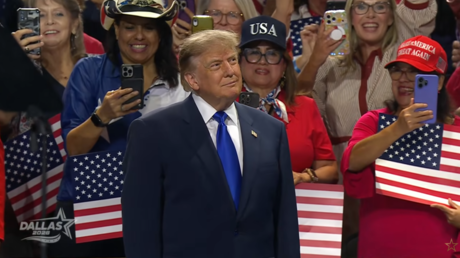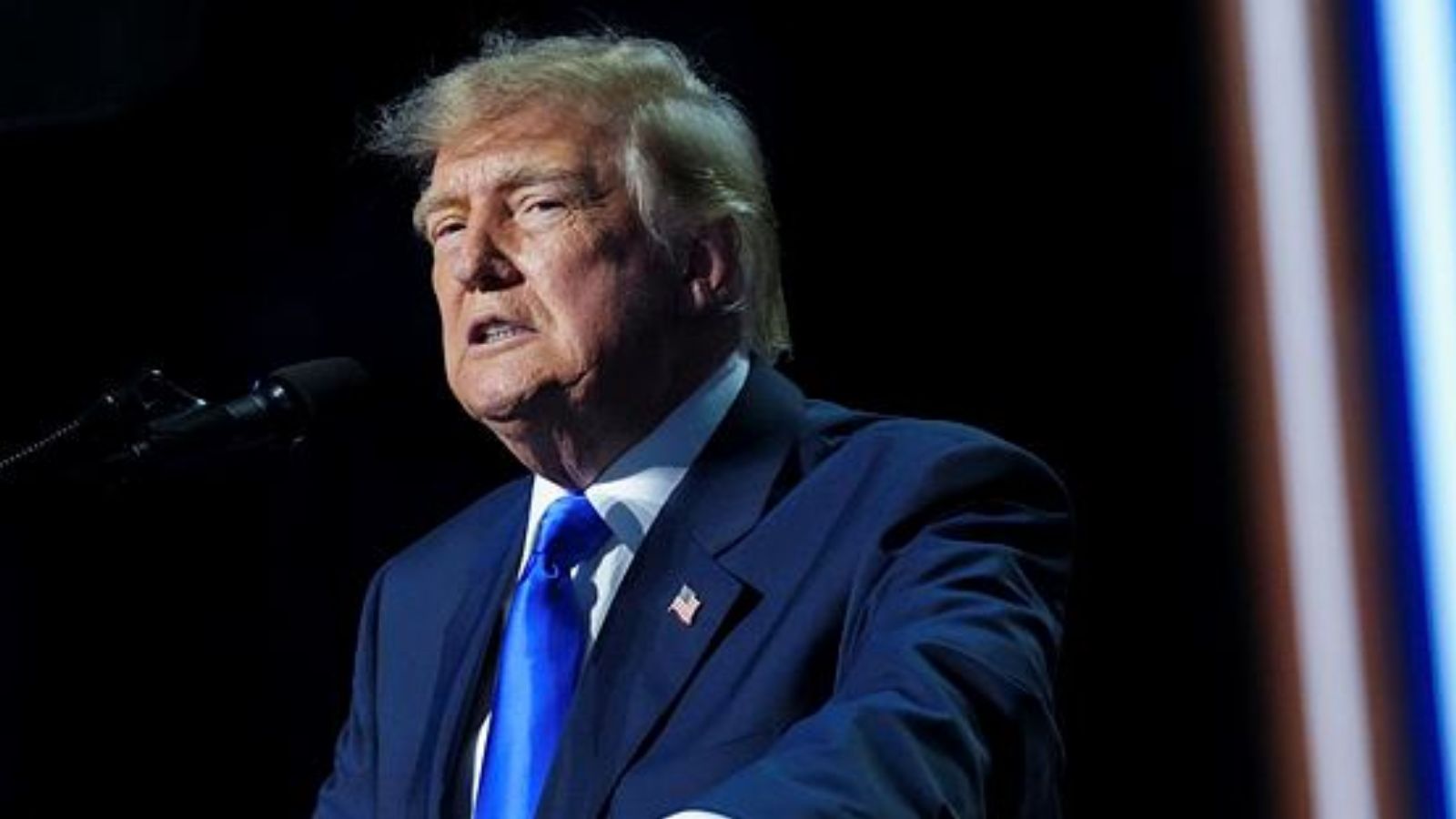
Donald Trump wants you to believe that the grinding, oil-shattering war in the Persian Gulf is nothing more than a seasonal election stunt. Speaking before heading to Dallas, the White House occupant claimed that the conflict with Iran will snap shut the moment the midterm ballots are counted because Tehran is simply holding out to influence American voters.
It is a convenient narrative designed to pacify a domestic electorate staring down Brent crude trading north of $100 a barrel. It is also entirely divorced from military reality.
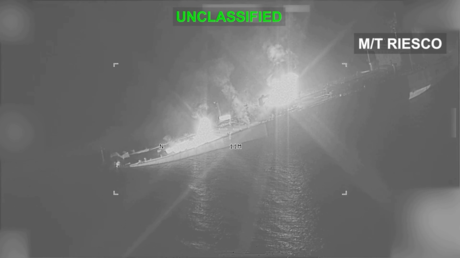
The lazy consensus floating across mainstream international desks treats presidential timetables as gospel. Commentators nod along, assuming foreign policy logic bends neatly to domestic American electoral cycles. That perspective ignores how modern attritional warfare actually functions. Wars do not possess an automatic shutdown switch wired into the Hart Senate Office Building. When you shatter a nation's shipping lanes, sink oil tankers in the Strait of Hormuz, and eliminate top-tier leadership, you do not create a temporary political inconvenience for your adversary. You create a permanent security spiral.
To understand why Trump's post-midterm fantasy will fail, look at the mechanics of the conflict itself. We are seven months deep into a campaign that has systematically dismantled Iranian infrastructure. The administration argues that Tehran is desperate, running on fumes, and waiting to hand Washington over to a sympathetic opposition. This misreads the ideological and institutional survival instincts of the Iranian state.
Imagine a scenario where a state actor under existential assault simply decides to fold its cards because a midterm legislative election changed the congressional majority. It defies every recorded precedent of modern geopolitical conflict. Tehran's clerical and military apparatus views compromise under current terms as institutional suicide. They are not timing their retaliatory drone strikes around the American calendar to sway suburban voters in Ohio; they are responding to the fundamental reality of an ongoing bombing campaign.
The economic fallout further exposes the fragility of the administration's timeline. Brent crude breaching triple digits is not a temporary blip that resets on November 4. Maritime insurance rates in the Persian Gulf have structurally transformed. Tanker operators do not magically slash risk premiums because a polling station closes. Energy markets price in physical danger, not political speeches. Pretending that petrol prices will plummet below two dollars a gallon the day after the election insults basic economic literacy.
Furthermore, the administration's own internal divisions torpedo the post-midterm peace promise. While the podium rhetoric insists that negotiations are off the table and that total victory is at hand, energy and defense officials have quietly conceded that the campaign's footprint could stretch years into the future. The strategic objectives have shifted wildly from a narrow anti-proliferation strike to total economic and political subordination. You cannot expand war aims while simultaneously promising an expiration date tied to a domestic legislative cycle.
The public is growing wise to the shell game. Approval ratings are plumbing historic lows precisely because voters feel the pinch at the pump and recognize the disconnect between White House spin and the reality of an open-ended quagmire. Treating a multi-front regional conflict as a political weather pattern that clears up after a cold front is dangerous analytical laziness.
The war in Iran will not stop because the midterms pass. It will escalate, mutate, or settle into a bloody, permanent simmer dictated by logistics, geography, and mutual exhaustion—none of which care about Congress.