The geopolitical chessboard in the Middle East has shifted toward a high-stakes standoff as Donald Trump asserts that Tehran is desperate for negotiations following the imposition of a massive naval blockade. This aggressive containment strategy seeks to choke the Iranian economy by severing its maritime oil exports, the lifeblood of the Islamic Republic’s financial survival. Trump’s claim that Iran "reached out" to negotiate suggests a fracture in the regime’s resolve, though the reality on the water remains a volatile mix of military posturing and economic desperation. This is not just a trade dispute; it is a full-scale attempt to force a regime-level policy shift without firing a shot—unless someone blinks.
The Mechanics of a Modern Blockade
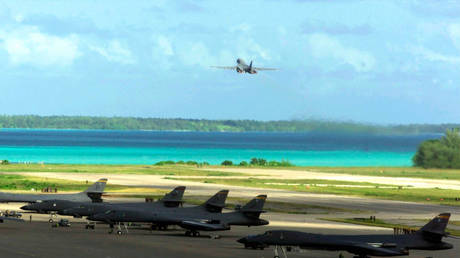
A naval blockade in the 21st century looks nothing like the wooden-ship cordons of the Napoleonic era. It is a digital and physical net. The U.S. Navy, supported by regional allies, has leveraged satellite tracking, drone surveillance, and boarding parties to intercept tankers suspected of carrying Iranian crude. The goal is simple: zero revenue for the Iranian treasury.
Iran has spent years perfecting the art of "ghost shipping." They turn off transponders, rename vessels in mid-ocean, and engage in ship-to-ship transfers in the dead of night. However, the current blockade utilizes advanced thermal imaging and AIS (Automatic Identification System) anomaly detection to flag these ships before they even reach international waters. When the flow of currency stops, the internal pressure on a government becomes an existential threat.
The Economic Hammer
Inside Iran, the ripple effects are devastating. Inflation has spiked, and the rial has plummeted against the dollar. When Trump speaks of Iran wanting a deal "very badly," he is referencing the internal unrest fueled by these economic conditions. Middle-class Iranians see their savings evaporate while the cost of basic goods like eggs and fuel climbs daily.
History shows that economic pressure only works if there is no exit ramp. By closing the Strait of Hormuz to outbound Iranian traffic while maintaining a heavy presence in the Gulf of Oman, the U.S. is essentially putting a thumb on the carotid artery of the Iranian state. The regime's traditional methods of bypassing sanctions—using shell companies in Dubai or privateers in Malaysia—are being systematically dismantled by the sheer scale of the naval presence.
Why the White House Believes They Are Winning
The administration’s confidence stems from a belief that Tehran has run out of options. For decades, Iran played a long game, relying on European fatigue with sanctions and Chinese demand for cheap oil. That floor has dropped out. China, while still a buyer, has become more cautious as the U.S. threatens secondary sanctions on any port or refinery that touches Iranian product.
The Backchannel Theory
While the State Department remains tight-lipped, rumors of backchannel communications through Swiss or Omani intermediaries have intensified. Trump’s rhetoric serves a dual purpose. First, it projects strength to his domestic base, framing the blockade as a successful "maximum pressure" tactic. Second, it signals to the Iranian leadership that a path to relief exists, provided they meet a list of demands that likely include the total cessation of uranium enrichment and the dismantling of their regional proxy network.
Critics argue that claiming Iran is ready to fold is premature. The Iranian leadership has a high threshold for pain and a deeply ingrained culture of resistance. They view "reaching out" not as a sign of surrender, but as a tactical maneuver to buy time or probe for weaknesses in the blockade’s enforcement.
The Risk of Miscalculation on the High Seas
Every time a U.S. destroyer shadows an Iranian tanker, the margin for error shrinks to nothing. A nervous commander or a misunderstood signal could spark a kinetic conflict that neither side technically wants. The Persian Gulf is a crowded, narrow corridor.
Iran’s Revolutionary Guard Corps (IRGC) has responded to the blockade with asymmetrical threats. They utilize "swarm" tactics—hundreds of small, fast-attack boats armed with missiles and mines—to harass larger naval vessels. This is the classic David vs. Goliath setup. While a U.S. carrier strike group possesses overwhelming firepower, it is vulnerable to the "death by a thousand cuts" strategy that the IRGC has trained for over three decades.
The Role of Regional Allies
This blockade doesn't happen in a vacuum. Israel and Saudi Arabia are silent partners in this endeavor, providing intelligence and logistical support. For the Saudis, every barrel of Iranian oil kept off the market is a win for their own market share and a blow to their primary regional rival. Israel views the blockade as a necessary precursor to preventing a nuclear-armed Iran.
However, this alliance is fragile. If Iran decides to retaliate by targeting desalination plants or oil infrastructure in neighboring countries, the coalition supporting the blockade might fracture. The "deal" Trump mentions may be the only way to prevent a localized economic war from turning into a regional conflagration.
The China Factor
Beijing remains the wildcard. While they have officially curtailed some imports, the "dark fleet" of tankers continues to deliver oil to independent refineries in China’s Shandong province. If the U.S. naval blockade becomes too effective, it directly challenges China’s energy security.
Beijing has already signaled its displeasure by conducting joint naval drills with Iran and Russia. This creates a secondary front in the blockade. It is one thing to intercept a rogue tanker; it is quite another to challenge a vessel escorted by a Chinese or Russian frigate. The administration is betting that China values its broader trade relationship with the U.S. more than its ties to Tehran, but that is a gamble with global consequences.
The Hard Truth of Iranian Diplomacy
Negotiating with Iran is never a linear process. In the corridors of power in Tehran, there is a fierce divide between the "pragmatists" who want to save the economy and the "hardliners" who believe any deal with Trump is a form of national suicide.
When Trump says they want a deal, he is likely hearing from the pragmatists. But the IRGC and the Supreme Leader hold the actual keys to the gate. For them, the blockade is proof of American "bullying," a narrative they use to crush domestic dissent. They will only sign a deal if the alternative is the literal collapse of the state, and even then, they will fight for every concession.
The Transparency Gap
We must also consider the possibility that the "reaching out" is more smoke than fire. In the world of high-stakes intelligence, a simple inquiry about the terms of a ceasefire can be spun into a "plea for a deal." Trump’s history of using "the art of the deal" as a rhetorical tool means his claims must be weighed against the lack of physical movement from the Iranian side. Until we see a reduction in enrichment levels or a withdrawal of proxy forces in Yemen and Lebanon, the blockade is simply a status quo of heightened tension.
Logistics of the Long Game
Can the U.S. maintain this level of naval intensity indefinitely? The cost of keeping carrier groups and surveillance wings on constant alert is astronomical. Crew fatigue and ship maintenance schedules eventually catch up.
Iran knows this. Their strategy is often to outlast the American political cycle. They are watching the U.S. elections closely, betting that a change in administration might bring a return to the JCPOA (Joint Comprehensive Plan of Action) or a less aggressive enforcement of the maritime boundaries.
The Humanitarian Cost
Beyond the hardware and the headlines, the blockade has a human face. While "medicine and food" are technically exempt from sanctions, the banking restrictions make it nearly impossible for Iranian importers to pay for these goods. Hospitals in Tehran are reporting shortages of specialized cancer drugs and surgical supplies.
The U.S. maintains that this is the fault of the regime for prioritizing military spending over its people. The regime blames the "cruel" American blockade. In the middle are 85 million people whose daily lives are the collateral damage of this geopolitical chess match. If a deal is reached, it will be because the internal social pressure became more dangerous to the Supreme Leader than the perceived weakness of negotiating with Washington.
The Strategy of Forced Errors
The blockade is designed to make Iran move first. By restricting their movement, the U.S. is forcing Tehran into a position where they must either attack, which justifies a larger military response, or negotiate, which fulfills Trump’s primary objective. It is a box with no comfortable corners.
The IRGC’s recent increase in drone production and exports to other conflict zones is a clear sign that they are looking for alternative revenue streams and ways to project power despite the naval stranglehold. They are trying to prove that they can still be relevant and dangerous even while their ports are effectively closed.
The Intelligence War
Underneath the surface of the naval blockade lies a massive intelligence operation. Cyber warfare is being used to disrupt the Iranian port authority systems and the logistics networks that manage the distribution of what little oil does get out. This is a multi-dimensional siege. It’s not just about ships in the water; it’s about the code that tells those ships where to go and how to pay their crews.
If Trump is correct and a deal is on the horizon, it will be the result of this total-pressure approach. But in the Middle East, the distance between a "reaching out" and a signed treaty is often measured in years and blood. The blockade remains a blunt instrument in a world that usually requires a scalpel.
The next few months will determine if the naval blockade is a masterstroke of coercive diplomacy or a slow-motion train wreck. If Iran truly is at the breaking point, the world might see a diplomatic shift that seemed impossible a year ago. If they are bluffing, the Persian Gulf is about to get much smaller and much hotter. Every tanker that tries to run the gauntlet carries not just oil, but the potential for a global crisis.
The U.S. has laid its cards on the table. The blockade is tight, the pressure is mounting, and the invitation to the table has been issued. Now, the world waits to see if Tehran is truly ready to talk, or if they are simply repositioning their pieces for a much longer, much uglier fight.
Maintain the pressure on the maritime routes while keeping the diplomatic door cracked just wide enough for a face-saving exit.