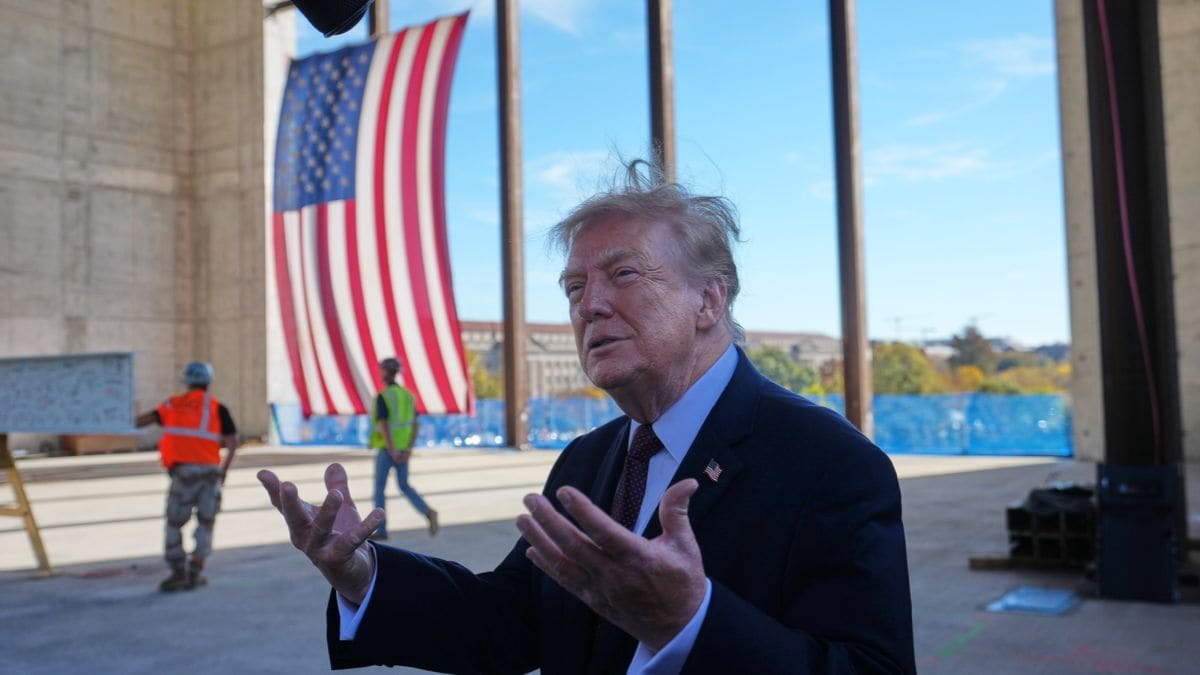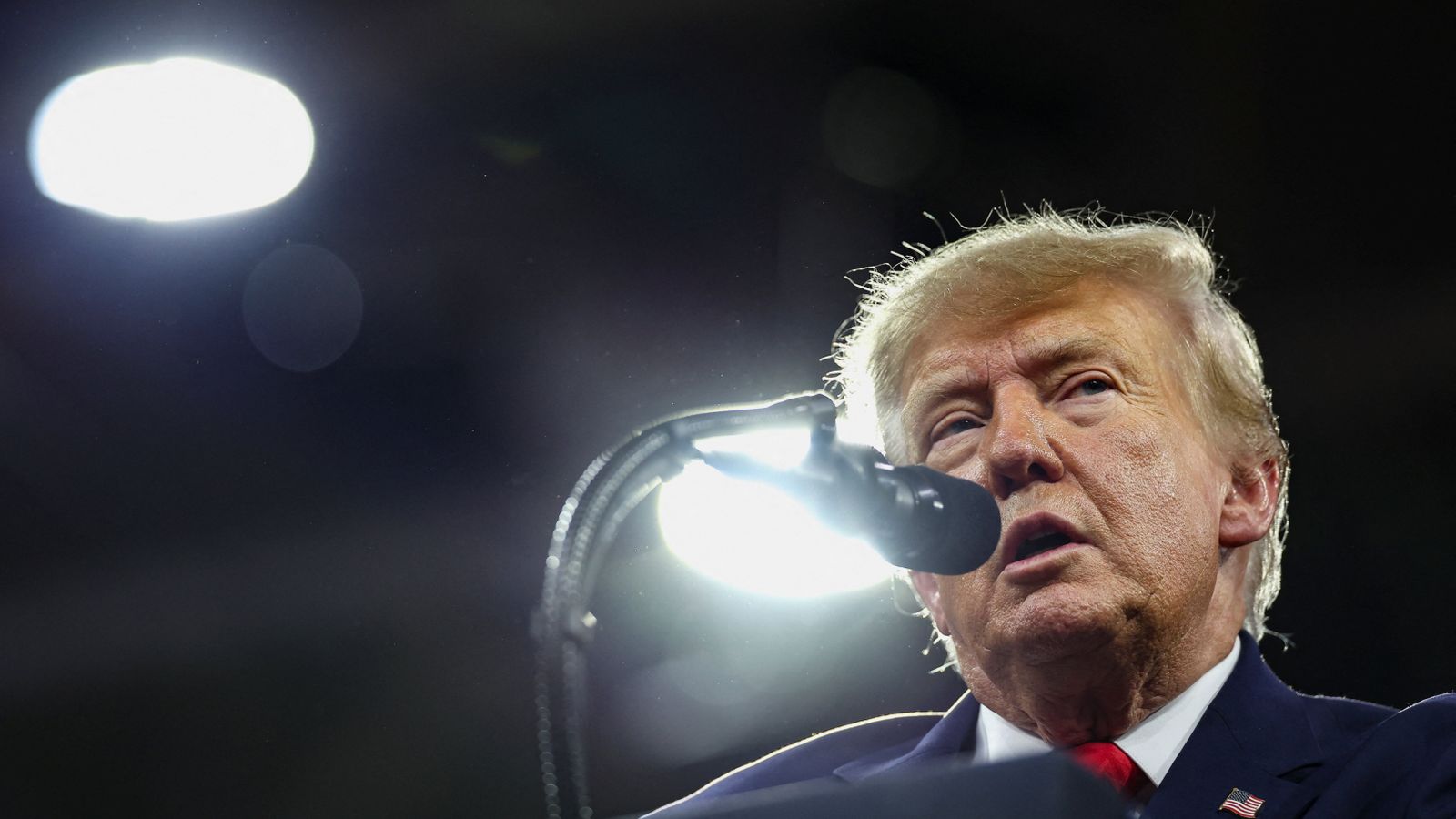
Washington loves a good cabinet deathwatch, and right now every eye in the Beltway is locked on Pete Hegseth. President Donald Trump stepped up to the microphones and declared that his Defense Secretary is doing "a very good job." On paper, that should end the chatter. In reality, anyone who has watched the Pentagon operate over the last two decades knows a presidential vote of confidence in D.C. often acts like a countdown clock rather than a shield.
You don't need to be a lifelong defense contractor to see why questions keep swirling around Hegseth's future at the Department of Defense. The gap between what the White House says publicly and what happens inside the five-sided building is widening by the week.
What Trump Actually Said About Hegseth
When reporters pressed Donald Trump on the growing speculation surrounding his Pentagon chief, the President didn't hesitate. He offered crisp, familiar praise, telling the press that Hegseth was doing "a very good job" and brushing aside suggestions that a shakeup was imminent.
That's standard operating procedure for Trump. Throughout both his first term and his current administration, he has consistently defended embattled cabinet officials right up until the moment their resignations hit the news wires. Think back to figures like Rex Tillerson, Jeff Sessions, or Mark Esper. Each received public assurances or silence from the Oval Office before a sudden Friday afternoon tweet or press release ended their tenure.
Trump's endorsement buys Hegseth time, not immunity. It tells Republican lawmakers and conservative media allies to hold their fire for now. Yet inside the building across the Potomac, praise from the Oval Office doesn't erase operational friction or quiet the whispers coming from senior brass and congressional staffers.
Why Questions Keep Swirling Around the Pentagon Chief
So where is the smoke coming from? If you look closely at how the Department of Defense functions, managing a nearly $900 billion budget and roughly three million military and civilian personnel requires a very specific kind of bureaucratic muscle.
Hegseth arrived at the top job with a background as a decorated Army National Guard combat veteran, a vocal conservative commentator, and a former Fox News host. Supporters loved his outsider energy. They wanted someone who wouldn't get swallowed whole by what they view as an entrenched defense establishment.
Critics, alongside plenty of quiet skeptics inside the building, saw a different problem from day one. Running a sprawling global military apparatus isn't the same thing as critiquing defense policy on television. Here are the primary pressure points fueling the rumors about his longevity:
- Internal friction with career officials. Pushing aggressive cultural reforms and personnel changes inside the Pentagon creates immediate pushback from four-star officers and senior civil servants who know how to slow-walk directives they dislike.
- Scrutiny over management and vetting. From the moment his nomination was announced, Hegseth faced intense questioning over his past management of veteran advocacy nonprofits and personal controversies, leaving him with a thinner margin for error than most cabinet picks.
- High-stakes operational demands. Managing active global flashpoints, weapon procurement delays, and congressional budget battles leaves zero room for on-the-job learning curves.
- Leaks from inside the building. When senior aides or defense officials start talking to Washington reporters off the record about disorganization, it usually signals an internal power struggle that the Secretary hasn't been able to contain.
Honestly, the Pentagon chews up seasoned Washington insiders. For someone stepping into the role without prior senior executive experience in government or major defense industry leadership, every misstep gets magnified tenfold.
The Difference Between Political Loyalty and Pentagon Reality
Here is what most casual political observers miss when they read headlines about Trump praising Hegseth. There are two entirely different scoreboards running at the exact same time.
On the political scoreboard, Hegseth is winning as long as he aligns with Trump's core messaging. He champions an "America First" defense posture, targets Diversity, Equity, and Inclusion programs inside the military, and projects the exact kind of combative loyalty Trump prizes in cabinet members. When Trump says Hegseth is doing a good job, he's grading him on that political rubric.
On the institutional scoreboard, things look much messier. The Pentagon runs on process, chain of command, and predictability. When rapid personnel purges or sudden policy shifts hit the building without clear follow-through, mid-level leaders freeze up. Decisions stall. Allies in Europe and the Indo-Pacific start calling Capitol Hill to ask who is actually steering the ship.
I've seen how quickly a cabinet official's authority evaporates once career staffers sense blood in the water. People stop bringing tough problems to the front office. They wait out the clock, assuming a replacement will arrive within six months. Once that mindset takes hold inside an agency as massive as the DoD, even a direct endorsement from the President struggles to restore momentum.
What History Tells Us About Trump Cabinet Survivors
If you want to predict whether Hegseth lasts through the year, stop listening to daily press briefings and look at the pattern of past Trump administrations. Surviving in Trump's orbit comes down to three unspoken rules.
First, never overshadow the boss. Cabinet secretaries who attract negative headlines that force the President to spend political capital defending them quickly wear out their welcome. Trump hates playing defense on behalf of his appointees. Right now, Trump is willing to say Hegseth is doing a good job, which means the political cost hasn't crossed his threshold yet.
Second, deliver visible wins that play well on television. Trump thinks in terms of momentum and optics. If recruitment numbers tick up, or if a high-profile military operation goes smoothly, Hegseth buys himself months of goodwill. If the news cycle stays stuck on internal Pentagon drama and personnel leaks, his footing slips fast.
Third, keep Senate Republicans comfortable. Even after confirmation, a Defense Secretary relies on key lawmakers on the Senate Armed Services Committee to pass defense authorization bills and confirm lower-level Pentagon appointees. If senators like Roger Wicker or other defense hawks start quietly telling the White House that the Pentagon is stalling on critical modernization programs, Trump will listen.
Why Replacing a Defense Secretary Is Harder Than It Looks
Even if the rumors about Hegseth's shaky standing are completely accurate, firing a Defense Secretary creates a massive headache for the White House. You can't just swap out the head of the Pentagon the way you replace a communications director.
Any replacement requires Senate confirmation, a grueling process that drags every flaw, financial disclosure, and past statement back into the national spotlight. With a narrow Senate majority and a packed legislative calendar, the White House has zero appetite for another bruising confirmation battle unless an undeniable crisis forces their hand.
Installing an acting Defense Secretary is an option, and Trump relied heavily on acting officials during his first term. Still, putting an acting chief in charge of the U.S. military sends a signal of instability to adversaries in Beijing, Moscow, and Tehran. The administration knows that, which gives Trump plenty of incentive to publicly back Hegseth and hope the turbulence settles down.
How to Read the Next Few Weeks in Washington
Don't take every anonymous leak from the Pentagon as proof that Hegseth is packing his boxes, and don't take Trump's "very good job" comment as a lifetime guarantee. Both things can be true at once. Trump can genuinely like Hegseth's loyalty and public posture while the building behind Hegseth struggles to function smoothly.
Watch the concrete indicators instead of the cable news chatter. Pay attention to whether deputy secretaries and undersecretaries get confirmed and installed quickly to shore up the management team around him. Watch how smoothly the annual National Defense Authorization Act moves through Congress, and track whether the leaks coming out of the E-Ring slow down or speed up.
If you're following this story to understand where U.S. defense policy is headed, focus less on the personality drama and more on the deputies being hired beneath him. Strong, experienced operational leaders in the number two and number three spots can stabilize a rocky Pentagon tenure overnight. Without them, even the warmest praise from the Oval Office won't stop the questions from turning into an exit strategy.