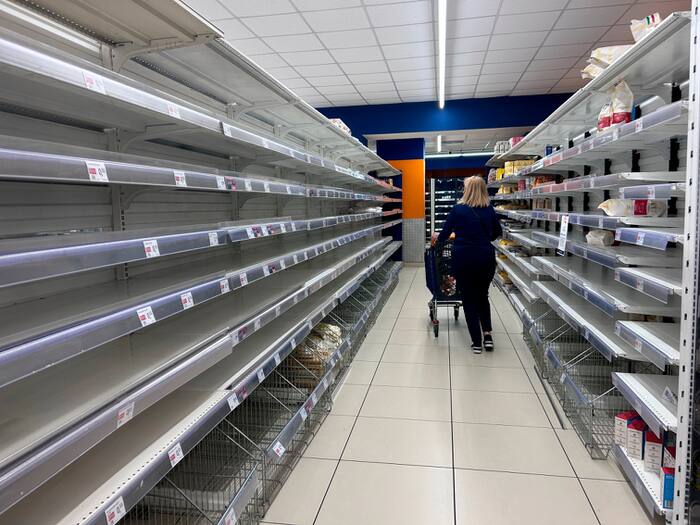
Walk into a grocery store in Naples or scroll through local feeds from Puglia and Sicily during October 2026's truckers' protest, and you'll spot the same jarring scene right away: bare produce racks, apologetic signs taped to shelves, and pumps running dry. It takes less than a week for freight friction to turn into a visible daily squeeze across southern Italy.
That speed shocks people outside logistics. How does a regional haulage protest empty supermarket aisles and fuel pumps so fast? Because southern Italy sits on a long, narrow freight corridor where road haulers carry the bulk of daily retail goods and fuel refills, and blockades at key junctions, refineries, and ports choke supply almost immediately.
Why Trucker Protests Hit Southern Italy So Hard
Distance and geography do half the heavy lifting in this crisis. Unlike northern industrial hubs with dense rail and multi-modal connections, southern regions like Campania, Apulia, Calabria, Basilicata, and Sicily rely heavily on long-haul trucks moving goods down the peninsula or across ferry and port links.
When drivers park rigs at motorway toll stations, industrial junctions, or port gates, the bottleneck isn't just local. A single choke point can stall northbound and southbound freight at once, backing up trucks for kilometers. Even when a road reopens or hauliers try city streets and alternate ports as bypasses, delivery schedules are already blown.
Supermarkets don't keep months of fresh food sitting in back rooms. They run on tight replenishment cycles. Miss two or three truck deliveries, and fresh produce, dairy, and pantry staples vanish fast. Honestly, watching shelves thin out in real time makes it pretty obvious how fragile just-in-time retail really is when road transport stops moving.
What Actually Sparked the Fuel and Freight Revolt
Fuel costs aren't an abstract line item for an independent carrier. They're survival.
In mid-October 2026, diesel prices climbed roughly to the €2.26 to €2.30 per liter range across non-motorway and motorway pumps in Italy, driven upward by wider oil market shockwaves tied to the Iran war and the earlier expiration of a temporary diesel tax discount. For haulers burning diesel every single day just to stay on the road, a spike like that eats margins alive.
Carriers haven't just been complaining about pump prices alone. They've been pointing to three compounding pressures:
- Uneven fuel surcharges: Groups like Trasportounito have pushed for an automatic fuel surcharge mechanism—around 15%—so sudden diesel jumps don't get swallowed whole by transport operators, noting that northern shippers sometimes include surcharges while southern hauliers face far more pushback.
- Delayed relief and tax credits: Drivers and industry associations have pressed the government over slow disbursements of promised aid, tax credits, and operating-cost relief.
- Narrow margins across the supply chain: When fuel jumps overnight and contracts don't adjust automatically, small fleets get squeezed first, turning a pricing dispute into a full-blown standoff.
Beyond Groceries: Fuel Pumps, Ports, and Farms
Empty grocery aisles get the loudest headlines, yet the ripple effects cut much deeper than dinner plans.
Fuel distribution took a direct hit when access to refinery logistics and tanker movements ran into blockades and traffic congestion. Reports from Trans.INFO noted that Eni reported roughly 150 of its 270 stations in Apulia running out of fuel by mid-October, with effects spilling into Basilicata and Calabria and prompting advisories for airlines flying into Bari and Brindisi to refuel outside Apulia. Meanwhile, pharmacies still received wholesaler supplies, showing how emergency priorities and commercial retail can diverge during a disruption.
Ports and coastal ferries felt the squeeze too. When freight stalls near port access routes, ferry schedules to islands like Ischia, Capri, and Procida—as well as evening links to Palermo—face delays or rerouting. And it's not just truckers standing shoulder to shoulder. Farmers and fishermen have also felt the strain, warning of perishable crops spoiling on the vine or in storage when haulage slows down.
There's a real tension here that people argue about fiercely. Consumers and local shopkeepers understandably get frustrated when basic goods run out or prices threaten to climb. At the same time, hauliers argue they can't subsidize cheap freight with unsustainable diesel bills while waiting on slow state support. Both sides have real skin in the game, and neither gets an easy fix from a stalled highway.
How Policy Talks and Supply Realities Collide
Negotiations between trucking associations—including Unatras president Paolo Uggè—and Transport Minister Matteo Salvini have focused on getting cash and tax relief moving while promising legislative steps on operating costs. Regional leaders have also stepped into talks as local blockades spread.
Here's what I've seen play out time and again in freight disputes like this: announcing a payment schedule or scheduling another meeting calms nerves for a day or two, yet shelves don't refill on a press release. Physical restocking takes time once trucks roll again, and if carriers feel surcharges still aren't honored in real contracts, tension flares right back up.
One detail worth watching closely is how quickly retail prices react once normal deliveries resume. Consumer groups like Codacons have warned about potential shortages of essentials and unjustified price hikes during supply disruptions. Even after the blockades ease, households often feel the aftershocks in their weekly receipts.
Practical Moves When Freight Disruptions Hit
If you live in an affected area—or manage a business that depends on southern European road freight—waiting until the local store is completely bare is a mistake.
- Stock non-perishables early, not in panic waves: Keep a modest buffer of pantry staples, canned goods, infant or pet essentials, and basic medications before blockades drag into a second week. Buying two weeks of normal basics beats hoarding ten packs of paper goods and leaving neighbors empty-handed.
- Plan fuel and travel routes ahead of time: If diesel or petrol stations in your province are running low, top up early and check official highway and airport advisories rather than driving blindly toward a known blockade zone.
- Audit your supply contracts for fuel clauses: If you run a business shipping or receiving goods in Italy, review rate cards and fuel surcharge terms now instead of haggling mid-crisis. Clear, transparent cost adjustments keep carriers moving when energy prices spike.
- Diversify local sourcing where you can: Leaning on regional producers and shorter distribution loops won't replace long-haul freight overnight, yet it gives households and small retailers a cushion when main motorway arteries tie up.
At the end of the day, an empty shelf in Naples or an out-of-fuel sign in Apulia isn't a mystery. It's what happens when high diesel costs, delayed relief, and tight supply chains collide on the road.