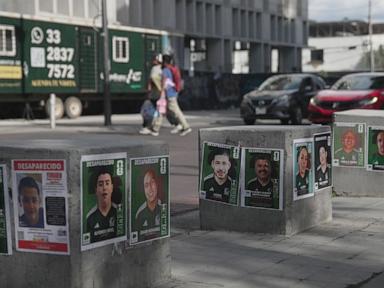
The media has fallen in love with a heartbreaking narrative in Guadalajara. With the World Cup coming to Mexico, activist groups are printing the faces of the country’s disappeared onto custom soccer stickers, mimicking the beloved Panini albums. The narrative selling this copy is simple: use the massive gaze of global sport to force a crisis into the international spotlight.
It is a moving sentiment. It is also an absolute failure of strategic activism.
Sympathy is the cheapest currency in the world. For decades, human rights campaigns have operated on the flawed premise that awareness equals action. It does not. By channeling the profound grief of thousands of Mexican families into the visual language of sports memorabilia, activists are unintentionally trivializing the very crisis they want to solve. They are turning systemic state failure and cartel violence into a novelty marketing campaign.
The harsh reality of modern attention economies is brutal: you cannot shame a broken system by making its tragedies collectible.
The Awareness Trap: Why Visibility Does Not Equal Justice
The logic behind the soccer sticker campaign relies on a concept known as "performative visibility." The theory suggests that if enough international tourists and journalists see these stickers, pressure will mount on local and federal authorities to investigate the more than 110,000 disappeared individuals in Mexico.
I have spent years analyzing how international pressure interacts with localized corruption. The math never works out in favor of the victims.
External shame only works on institutions that care about their global reputation. The municipal police forces, state prosecutors, and regional cartels driving the disappearance crisis in Jalisco are entirely immune to international bad press. They operate on vectors of hard power, financial complicity, and localized terror. A tourist feeling a pang of guilt while buying a match program changes exactly zero variables on the ground.
When you reduce a human being to a 2x3-inch piece of adhesive backing, you enter a dangerous optimization game. You are competing for eyeballs against billion-dollar sports marketing engines.
- The Dilution Effect: A missing person's face placed next to a Nike ad does not elevate the crisis; it devalues the human being by dragging them into the commercial noise.
- The Spectator Sanitization: It allows the viewer to feel like they "participated" in human rights work simply by looking at a sticker, discharging the moral obligation to demand systemic policy shifts.
Dismantling the Premise: The Flawed Questions We Ask
When looking at the crisis in Guadalajara, international media outlets inevitably ask the same surface-level question: How can soccer fans help bring attention to Mexico's disappeared?
This is the wrong question entirely. The real question is: How does framing a humanitarian crisis through the lens of a sports mega-event actively insulate the government from accountability?
Look at the mechanics of how Jalisco's government handles the World Cup preparation. Millions of dollars are funneled into infrastructure, gentrification, and security corridors designed explicitly to hide the internal rot from international broadcasters. When activists use the official aesthetics of the tournament—the fonts, the colors, the sticker books—they are operating within the sandbox the state built for them.
"By adapting grief to the format of a corporate tournament, the protest becomes a manageable, aestheticized side-show rather than a disruptive political force."
If an activist strategy does not threaten a politician's budget, their electoral survival, or their physical control over an area, it is not a threat. It is background noise. The sticker campaign is easily ignored by the elite because it does not stop traffic, it does not interrupt a broadcast, and it does not halt the flow of corporate sponsorship money.
The High Cost of Aesthetic Protest
Let's look at the data of international sporting events and human rights outcomes. From the Rio Olympics to the Qatar World Cup, the thesis that global sporting spotlights force local reform has been thoroughly debunked.
Event Context & Human Rights Outcomes
+-----------------------+-----------------------+-----------------------+
| Event                 | Stated Activist Goal  | Actual Outcome        |
+-----------------------+-----------------------+-----------------------+
| Rio 2016 Olympics     | Clean up favelas,     | Increased police      |
|                       | reduce police violence| violence, temporary   |
|                       |                       | displacement          |
+-----------------------+-----------------------+-----------------------+
| Qatar 2022 World Cup  | Reform migrant labor  | Superficial law shifts|
|                       | system (Kafala)       | with zero enforcement |
|                       |                       | post-tournament       |
+-----------------------+-----------------------+-----------------------+
| Guadalajara 2026      | Use fan stickers to   | Media novelty; state  |
|                       | force case openings   | ignores backlog       |
+-----------------------+-----------------------+-----------------------+
The numbers tell a grim story. Mega-events act as authoritarian shields, not mirrors. The influx of foreign capital creates a temporary economic high that allows local officials to override long-term domestic crises.
The downside of my contrarian stance is obvious: it offers no emotional comfort. It is deeply uncomfortable to look at grieving mothers and say, "Your creative tribute is strategically useless." But sentimentality is the enemy of efficacy. If the goal is genuinely to find the missing and break the cycle of impunity, the methods must evolve past arts and crafts.
Shift from Representation to Disruption
Stop trying to make the crisis digestible for sports fans. If you want to leverage the World Cup in Guadalajara, you do not blend into the fan culture—you break it.
Real leverage lies in economic and operational friction. Activists should not be handing out stickers outside the stadium; they should be targeting the logistics of the tournament itself.
- Target the Sponsors Directly: FIFA's corporate partners are terrified of brand association with forced disappearances. Don't appeal to the fans; threaten the sponsors' stock prices with highly targeted, legally aggressive international boycotts that name specific Jalisco businesses tied to state officials.
- Weaponize the Data, Not the Image: Instead of printing stickers, create open-source, un-censorable digital registries linking specific missing persons cases to the exact plots of land gentrified for World Cup infrastructure. Force the real estate reality into the open.
- Disrupt the Broadcast Corridors: The only thing FIFA and the local government care about is the television feed. Legal, non-violent blockades of key transit routes used by broadcast crews create actual leverage. When the cameras can't move, the government is forced to negotiate.
The families of Mexico's disappeared deserve more than a fleeting moment of pity from a tourist flipping through a soccer album. They deserve a strategy that respects the scale of their loss by matching it with an equally ruthless, tactical deployment of political and economic disruption. Treat the crisis like the emergency it is, not a subculture merchandising opportunity.