Every time a grotesque tragedy hits the headlines, our legal machinery grinds into motion with a singular, predictable panic. Prosecutors rush to slap the heaviest possible felony charge on the books, media outlets amplify the most inflammatory interpretation, and the public nods along in uniform horror.
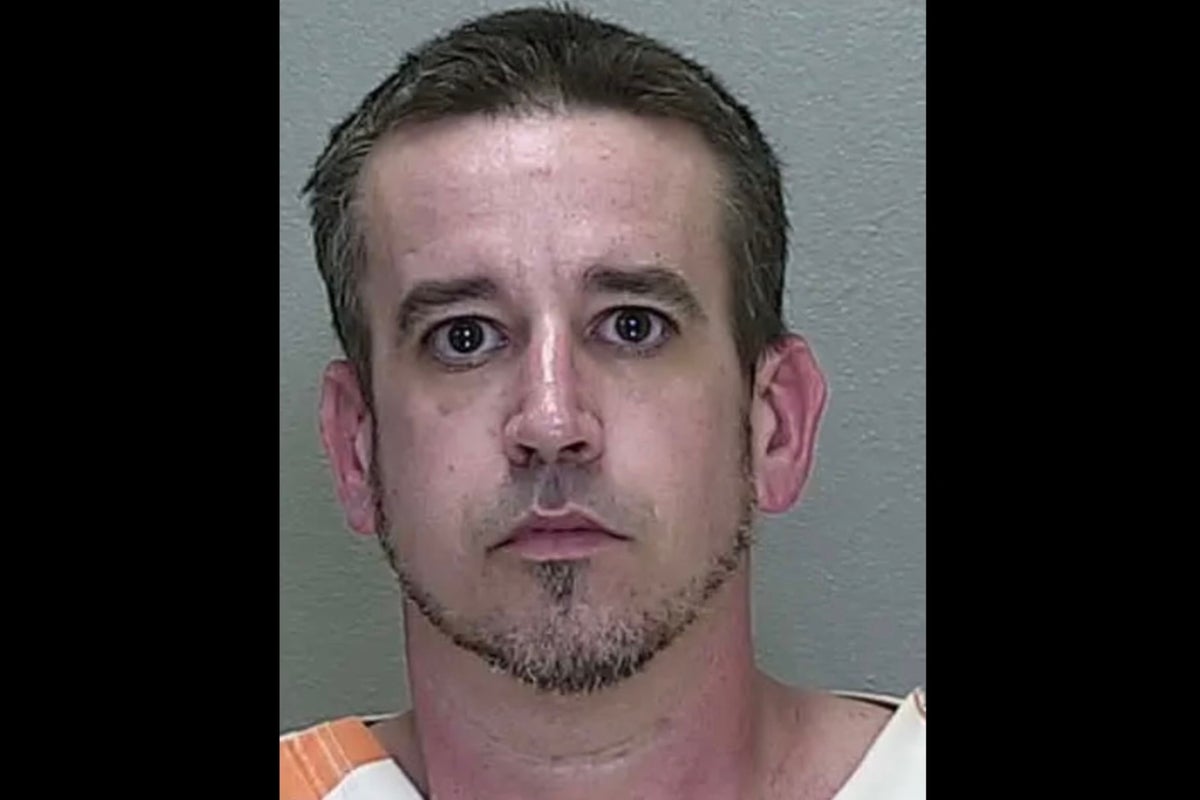
We saw this dynamic play out with the case of the Florida father arrested and charged with murder after directing a leaf blower at his infant son during what prosecutors described as a fatal prank. You might also find this similar story interesting: Why the Latest Bloodshed in Neelum Valley Proves These Elections Are Broken.
The lazy consensus writes itself immediately. Monster father, malicious intent, cold-blooded murder.
Stop right there. As discussed in detailed coverage by NPR, the implications are significant.
If we accept that knee-jerk framing, we abandon nuance, subvert the foundational principles of criminal law, and misunderstand the actual mechanics of human recklessness versus actual malice. I have spent years tracking how sensationalized court cases warp statutory definitions, and I have seen prosecutors twist murder charges to satisfy public bloodlust when the actual charge should be something entirely different.
Charging a parent with murder for a catastrophic display of stupidity is not justice. It is legal theater.
The Mens Rea Illusion
To understand why the charges in this case represent a dangerous departure from sound legal logic, we have to look at the foundational bedrock of criminal liability: intent.
In standard legal doctrine, murder requires mens rea, or a guilty mind. This means the perpetrator either intended to kill, intended to cause grievous bodily harm with a reckless disregard for human life so profound it equates to malice, or acted with depraved indifference.
When you hear the word "prank," your brain immediately categorizes the action under humor, however twisted or idiotic. A prank, by definition, lacks the baseline objective of destruction. It relies on a catastrophic miscalculation of physics, biology, or social boundaries.
Imagine a scenario where a backyard mechanic tries to cool down an overheating engine with a high-powered industrial fan, forgetting that the wind shear or flying debris could impact a nearby crib. The action is phenomenally stupid. It is negligent beyond belief. But does it constitute premeditated homicide? Does it demonstrate an internal desire to snuff out a child's life?
No. It demonstrates a staggering absence of critical thinking.
By conflating catastrophic negligence with intentional murder, the state achieves a convenient win for conviction rates at the expense of legal accuracy. When prosecutors blur these lines, they dismantle the carefully calibrated hierarchy of crimes that distinguishes between an executioner and an idiot.
The Dangerous Allure of Overcharging
Why do district attorneys routinely reach for the most severe charge available, even when the facts point squarely toward manslaughter or criminal negligence?
The answer is structural incentive.
I have watched legal teams use maximum overcharging as a blunt instrument to bully defendants into plea deals, secure sensational media coverage, and insulate themselves from public backlash. If a prosecutor charges involuntary manslaughter or negligent homicide in a high-profile child fatality, the public howls that the state is going easy on a monster.
So, the system adapts by inflating the charge to second-degree murder or worse, knowing full well that proving specific intent to kill in a bizarre leaf-blower incident is an uphill battle. They gamble that the sheer horror of the underlying tragedy will blind juries and the public to the legal mismatch of the charge.
This approach carries a massive systemic downside. When you overcharge a case to appease the mob, you create a profound risk of acquittal on technicalities. If a jury actually analyzes the statutory definition of murder and realizes the defendant was merely engaging in a reckless, boneheaded stunt rather than trying to commit homicide, the defendant could walk free entirely.
That is the price of emotional jurisprudence. We trade precision for passion, and justice suffers.
Dismantling the Physics of the Accident
Let us examine the physical reality of the incident itself, stripped of the emotional rhetoric.
A leaf blower generates high-velocity air streams. In the mind of a grown adult detached from basic common sense, blowing air might seem like a harmless way to cool a child off, dry them off, or create a silly breeze. The friction between an adult's warped perception of a joke and the fragile physiology of an infant creates a lethal mismatch.
Infants have underdeveloped respiratory systems, delicate tissue, and zero capacity to withstand sudden, high-pressure air displacement. A gust that might ruffle an adult's hair can disrupt an infant's breathing cycle, cause internal trauma, or trigger physiological shock.
The gap between what the father thought he was doing and what actually happened is wide. It is the gap between humor and horror. But bridge that gap with a murder charge, and you criminalize bad parenting and abysmal judgment to a degree that threatens anyone who has ever made a monumentally stupid parenting mistake.
If we define lethal stupidity as murder, our prisons will soon overflow with people who left a toddler near a pool, misread a medication dosage, or tried an experimental, dangerous shortcut around the house. Negligence is a crime. Manslaughter exists for a reason. Murder requires a different threshold entirely.
The True Cost of Emotional Lawmaking
Defending this stance invites immediate pushback. Critics will argue that splitting hairs over the definition of murder versus manslaughter in the wake of a dead child is callous, academic pedantry.
It is anything but pedantic.
Words matter. Definitions matter. If the legal system can stretch the definition of murder to encompass a disastrously misguided prank, the law becomes a moving target dictated by the outrage meter of social media.
When you abandon statutory rigor, you pave the way for arbitrary prosecution. Today it is a father with a leaf blower. Tomorrow it is a mother who used an unapproved home remedy based on a viral video. Once you remove the requirement for actual malicious intent from murder, the state can label anyone a killer whenever an accident turns fatal.
We do not honor the memory of a dead child by corrupting the legal framework. We honor justice by holding people accountable for what they actually did: an act of staggering, unforgivable recklessness that destroyed a life, executed without a shred of malice, begging for the correct charge of involuntary manslaughter, not a politically expedient murder indictment.
Stop confusing bad judgment with bloodlust. Fix the charge, or break the system.