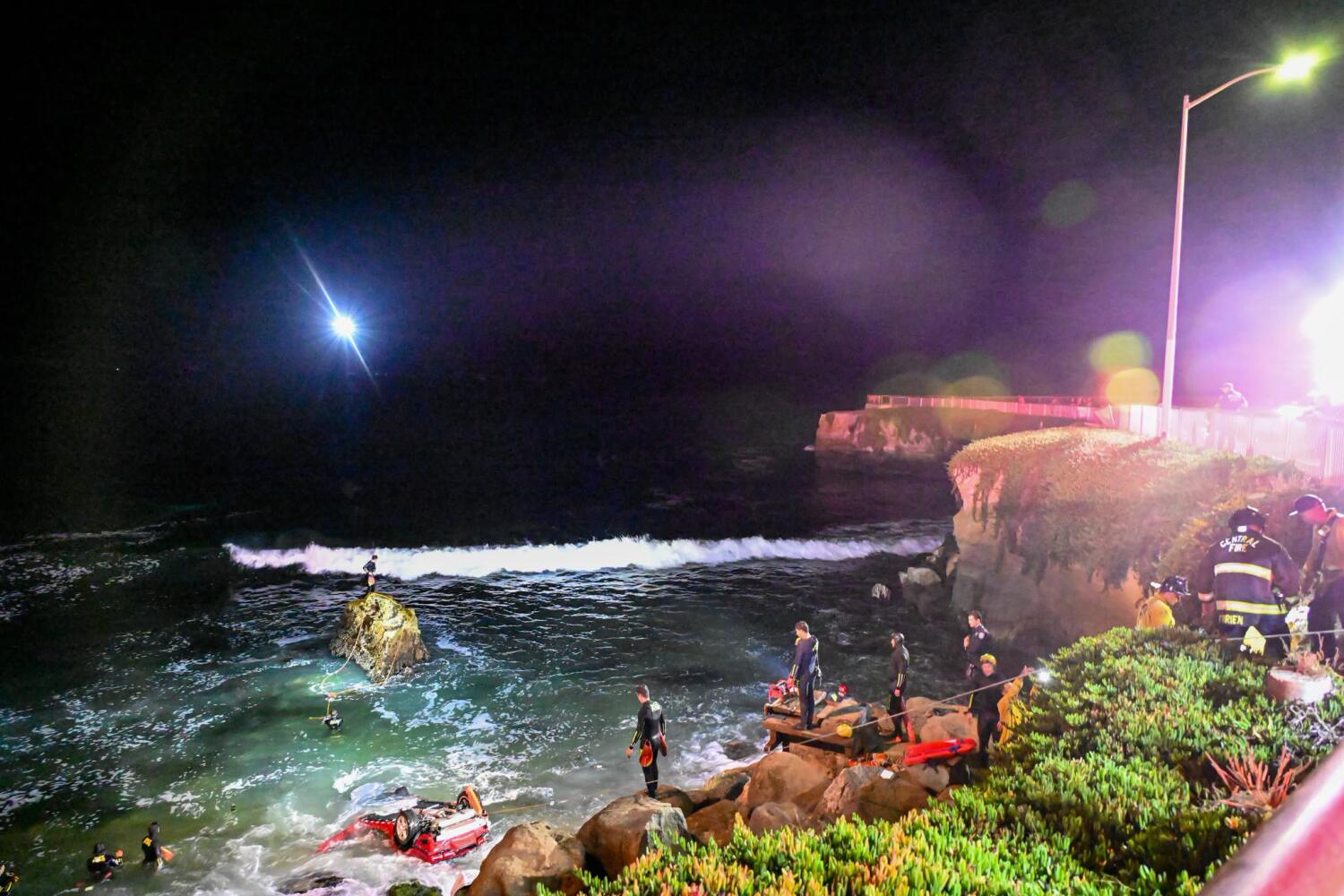
Another life gone too soon.
A UC Santa Cruz student lost their life recently when a vehicle plunged off a steep coastal cliff. Another occupant managed to survive the harrowing drop. Accidents along the rugged California coastline always shake the community to its core. Students, faculty, and local residents are left asking the same hard questions. How did this happen? Could it have been prevented?
Driving near the Santa Cruz campus isn't like cruising down a suburban highway. The terrain is punishing. Redwood-lined roads twist sharply. Fog rolls in without warning. Drop-offs are steep and unforgiving. When you combine tired college students, dark nights, and unfamiliar curves, disaster waits just around the bend.
The Danger Zones Around Campus
Geography dictates risk here. UC Santa Cruz sits nestled in a massive redwood forest right above the Monterey Bay. Getting to and from campus means navigating winding roads like Empire Grade or Highway 1.
Night driving adds a terrifying layer of complexity. Streetlights are sparse. Wildlife darts across the pavement. If you lose focus for even a single second, recovery options vanish.
- Steep elevation changes challenge inexperienced drivers.
- Heavy seasonal fog drops visibility to practically zero.
- Lack of continuous guardrails leaves zero margin for error.
People talk about driving safely all the time. They say keep your hands on the wheel. They say slow down. But reality hits differently when you are rushing to a late-night study session or driving home exhausted after an exam.
What the University Community is Facing
Campus tragedies ripple outward. Students sit in lecture halls feeling numb. Counselors work overtime. Friends struggle to process sudden loss. University administrations always issue statements offering thoughts and prayers.
Prayers don't fix dangerous roadways.
Students need tangible changes. They need better lighting. They need more reflective signage marking sharp drop-offs. If city and university planners know these routes see heavy student traffic, infrastructure must reflect that reality. Ignoring the problem because building guardrails costs money is unacceptable.
Mental Health and the Exhaustion Factor
Let us talk about the elephant in the room. College burnout is real. Students run on caffeine, four hours of sleep, and sheer willpower.
Exhaustion mimics intoxication behind the wheel. Reaction times plummet. Peripheral vision narrows. When an exhausted student takes a blind curve too fast, tragedy follows.
You need to recognize your own limits. If your eyelids feel heavy, stop driving. No assignment is worth your life. Call a rideshare. Sleep on a friend's couch. Break the cycle of pushing yourself past the breaking point.
How to Stay Safe on Winding Coastal Roads
If you drive these routes regularly, you need to change your habits today. Stop treating campus roads like racetrack stretches.
- Slow down below the speed limit when visibility drops or rain slicks the asphalt.
- Put the phone away completely. A single notification can pull your eyes off the road for the exact stretch where a cliffside begins.
- Know your limits. If you are too tired to concentrate, find a safe place to park and rest.
Support your friends, too. If someone tells you they are too drained to drive home from the library, take their keys. Be the person who speaks up.
Communities shouldn't have to mourn a student before demanding safer roads. Hold local leaders accountable. Push for better lighting and infrastructure updates now before another family receives that devastating phone call. Stay safe out there.