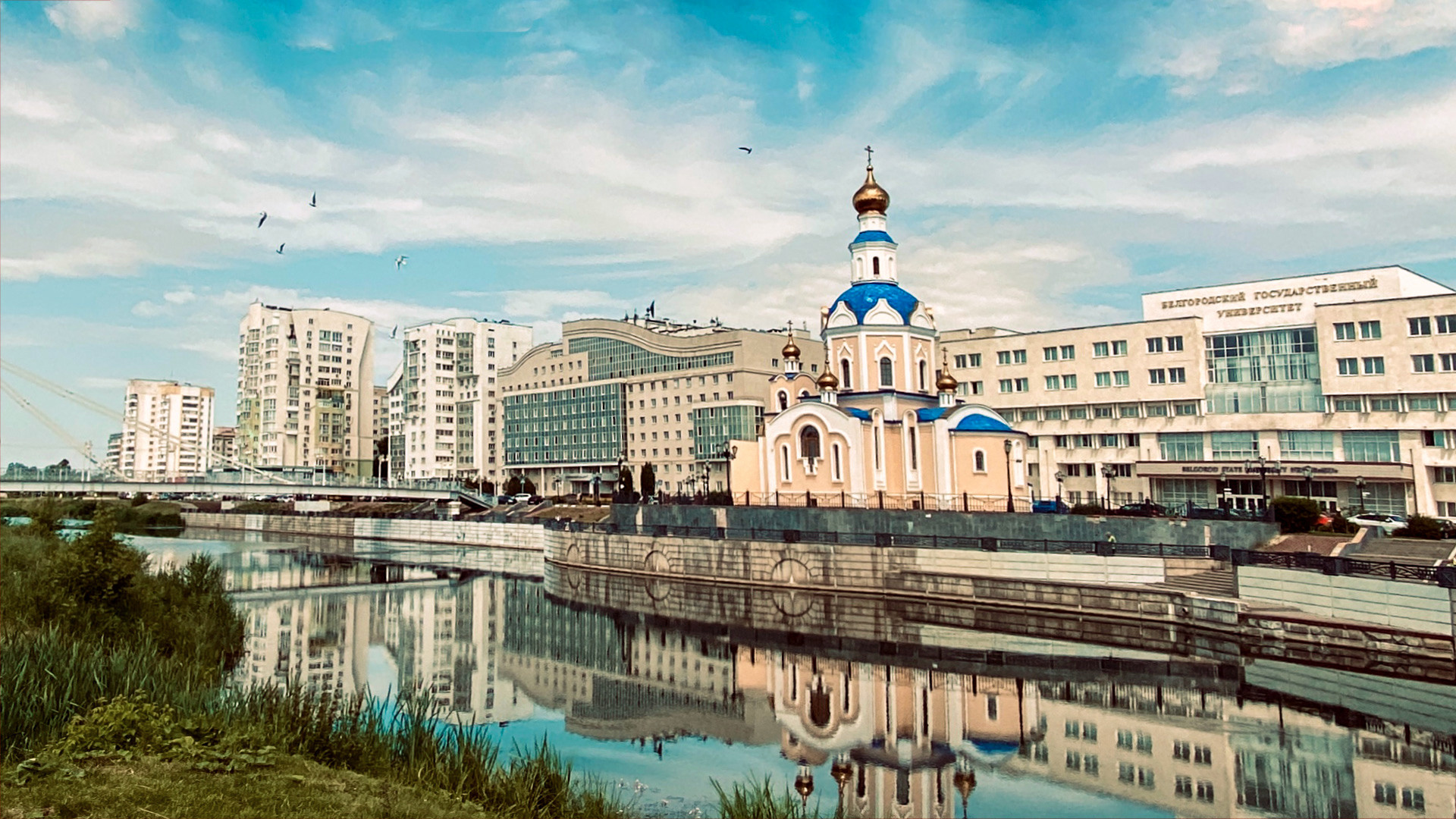
Two teenagers are dead in Russia’s Belgorod region after a Ukrainian drone strike hit a residential area. This isn't just another headline in a long-running conflict. It’s a stark reminder that the geography of this war has shifted. The violence doesn't stay behind the front lines anymore. It’s spilling into backyards, playgrounds, and quiet border towns that used to feel a world away from the trenches of the Donbas.
For the families in Belgorod, the war isn't something on the evening news. It's the sound of an engine overhead and the sudden, violent end of two young lives. We need to look at what this means for the escalation of the conflict and how drone technology has fundamentally altered the risks for civilians on both sides of the border. For another view, see: this related article.
The Reality of the Belgorod Strike
The incident happened in a village near the border where two teenagers were simply in the wrong place at the wrong time. Regional governor Vyacheslav Gladkov confirmed the fatalities, noting that the drone struck near a residential building. There’s no sugarcoating this. When drones become the primary tool of attrition, the margin for error shrinks to nothing.
Belgorod has become a frequent target. It’s the logistical heart for Russian operations in northeastern Ukraine, which makes it a high-priority zone for Kyiv. But military targets and civilian infrastructure are often separated by just a few meters of pavement. In this case, the results were fatal. Further coverage on this trend has been shared by Al Jazeera.
War is messy. It’s unpredictable. But the increasing frequency of these strikes suggests a deliberate strategy to bring the cost of the invasion home to the Russian public. If you live in Belgorod, you aren't just a spectator. You’re in the line of fire.
Why Drones Changed Everything
Early in the war, if you wanted to hit a target across the border, you needed heavy artillery or a flight of jets. Both are easy to spot. Both invite immediate, massive retaliation. Drones are different. They’re cheap. They’re quiet. They’re incredibly hard to intercept 100% of the time.
Ukraine has leaned into this "asymmetric warfare" because they have to. They don't have the raw numbers Russia has. Instead, they use small, agile tech to punch above their weight. But "precision" is a relative term. A drone pilot operating via a grainy video feed might see a vehicle or a building, but they can't always see the people standing nearby until it's too late.
The tech isn't perfect. Jamming equipment can send a drone off course, making it crash into a house instead of a military depot. It’s a digital game of cat and mouse played with real explosives and real lives.
The Psychological Front Line
There’s a deeper layer here than just physical damage. These strikes serve a psychological purpose. By hitting Belgorod, Ukraine signals that Russia’s borders aren't some magic shield.
- Disruption of Daily Life: Schools in Belgorod have faced closures.
- Mass Evacuations: Thousands of people have been moved further inland over the past year.
- Political Pressure: Every strike puts pressure on the Kremlin to provide better security, which is tough when the border is over 1,000 kilometers long.
People are scared. They should be. When the sky becomes a source of danger, the entire concept of "home" changes. We’ve seen this in Kharkiv for years. Now, the residents of Belgorod are feeling a fraction of that same terror.
The Mounting Toll on Youth
We often talk about war in terms of maps and "strategic gains." We forget about the people who don't care about maps. The death of these two teenagers is a tragedy that transcends borders. Whether it’s a strike in Kyiv or a drone in Belgorod, the youngest are paying the highest price for the decisions of men in distant offices.
According to data from various international monitors, the number of civilian casualties in Russian border regions has ticked up significantly as Ukraine’s drone production has scaled. Kyiv argues these are necessary responses to the daily bombardment of their own cities. Moscow calls them acts of terrorism. The truth is buried under the rubble of a village street.
What Happens When the War Moves Home
Russia has responded to these border incursions by intensifying its own strikes on Ukrainian energy grids and urban centers. It’s a vicious cycle. One side hits a border town; the other side flattens an apartment block in response.
If you’re watching this from the outside, don't expect it to slow down. Ukraine has made it clear that they won't fight with one hand tied behind their back while their own cities burn. They’re going to keep sending drones. Russia is going to keep struggling to stop them all.
What You Can Do Now
Staying informed means looking past the propaganda from both sides. Here is how you can actually track what’s happening without getting lost in the noise.
First, follow independent investigative outlets like Bellingcat or local reporting from regional journalists who are actually on the ground. They often provide the geolocation data that proves where these drones actually landed.
Second, understand the tech. Drones aren't just one thing. There’s a massive difference between a long-range "Shahed" style drone and a small FPV (First Person View) quadcopter. Knowing what was used tells you a lot about where the strike originated and what the intended target likely was.
Finally, keep an eye on the diplomatic fallout. Every time a civilian dies in a border strike, it changes the conversation about what kind of weapons the West is willing to provide to Ukraine. Some countries are fine with their tech being used inside Russia; others are terrified of the escalation.
The war is evolving. The borders are blurring. And as long as the drones keep flying, the list of victims will keep growing. Pay attention to the details because the "front line" is now everywhere.



