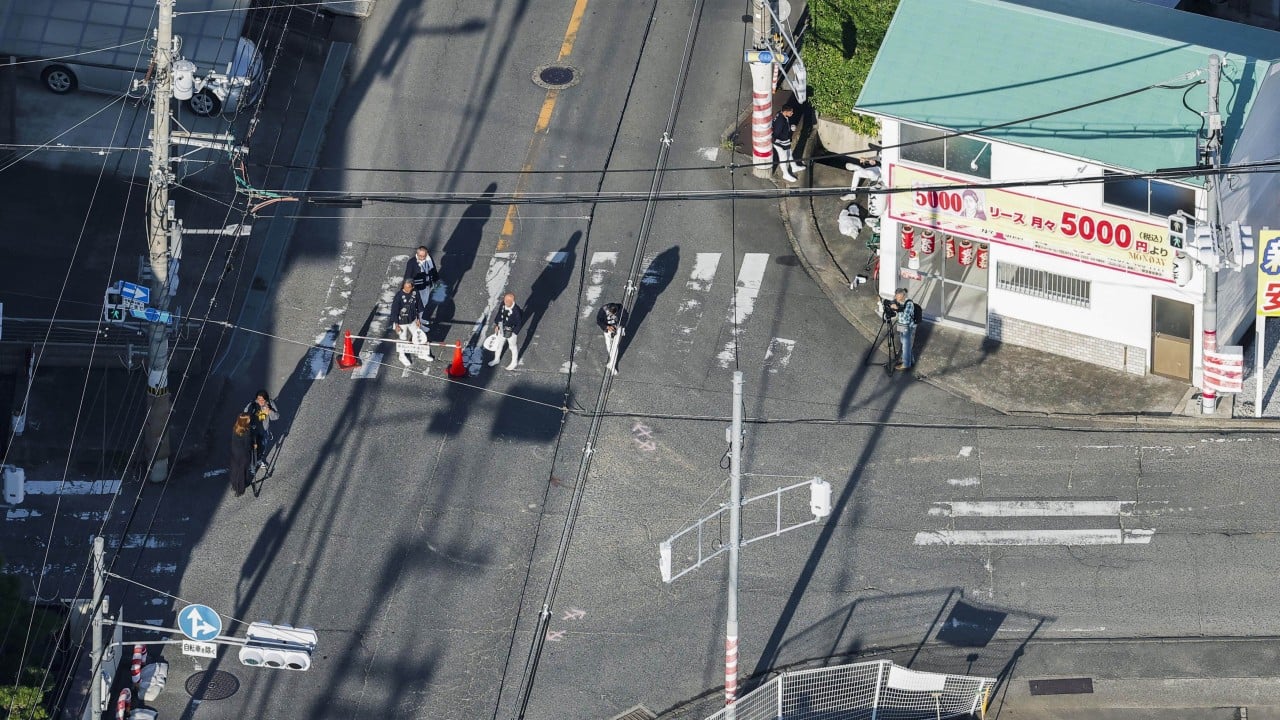
Two men died during traditional float festivals in Japan, exposing deep vulnerabilities in how centuries-old communal rituals manage massive crowds, heavy timber structures, and high-stakes adrenaline.
Festivals across Japan pride themselves on an intoxicating blend of kinetic energy and deep historical roots. Yet, when multi-ton wooden floats rush through narrow streets at breakneck speeds, the line between sacred celebration and public danger blurs instantly. These incidents are not isolated anomalies or simple flukes of bad luck. They point to structural pressures, cultural reluctance to halt historic customs, and the sheer logistical nightmare of managing momentum in confined spaces.
The Mechanics of Danger in Historic Rituals
To understand why these tragedies happen, look at the physical architecture of the events. Japanese float festivals, known broadly as matsuri, often feature massive wooden structures called dashi or yamahoko. Some weigh several tons, lack traditional steering mechanisms, and rely entirely on teams of pullers, wooden wedges, and coordinated physical leverage to maneuver.
When hundreds of participants surge forward, inertia takes over.
The recent fatalities during these float festivals underscore a terrifying reality. Heavy timber cannot stop on a dime. When crowds swell and excitement reaches a fever pitch, safety margins shrink to zero. Organizers face an impossible balance. They must preserve the raw, authentic intensity that draws millions of spectators while enforcing strict kinetic boundaries.
Historically, these events operated in smaller, localized communities where everyone understood the unspoken risks. Modern tourism and viral social media coverage have transformed intimate neighborhood rituals into global spectacles. Thousands of outsiders flood narrow thoroughfares, unfamiliar with local customs, safety signals, or the sheer destructive force of a runaway wooden wagon.
Cultural Hesitation and Modern Oversight
Change comes slowly to institutions rooted in centuries of tradition. Local festival committees often operate with volunteer leadership, relying on oral traditions and generational knowledge rather than formalized crowd management protocols.
When an accident occurs, the public reaction follows a predictable arc of shock, temporary operational pauses, and a swift return to business as usual. Altering the path of a float or reducing its speed is often viewed by traditionalists as a dilution of the ritual's sacred purpose. The gods, local lore suggests, demand vigor and absolute commitment.
Yet, local municipalities find themselves caught between legal liability and cultural preservation. Police departments increase patrols, and city planners attempt to widen evacuation corridors, but retrofitting ancient shrine paths for modern crowd densities is nearly impossible. Streets remain narrow. Sightlines remain blocked by historic storefronts and dense throngs of onlookers.
Rethinking Crowd Dynamics in High-Risk Celebrations
Mitigating these risks requires moving beyond superficial safety briefings. Festival organizers must confront uncomfortable operational realities.
- Speed restrictions: Mandatory slowing zones in congested areas can drastically reduce kinetic impact during a loss of control.
- Perimeter zoning: Creating physical buffer barriers between moving floats and spectators prevents sudden surges into the path of danger.
- Professional coordination: Integrating experienced crowd logistics experts alongside traditional elders helps identify pinch points before the festival begins.
Without structural adaptation, these historic events risk legislative crackdowns that could strip them of their vitality. The challenge lies in respecting the heritage while acknowledging that modern crowds behave differently than communities did three hundred years ago.
Tradition thrives only when its participants survive to witness the next season. The deaths in these recent float festivals demand an honest reckoning from organizers, municipal authorities, and cultural preservationists alike. The energy of a festival loses its meaning when celebration turns into avoidable tragedy.


