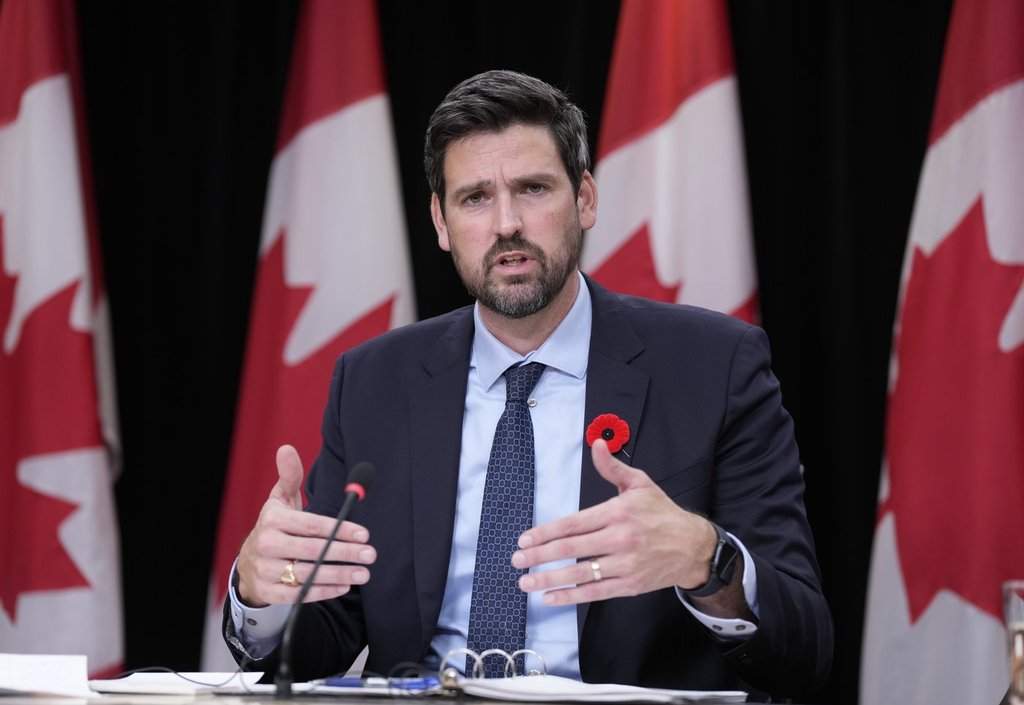
Municipal commentators treat every high-profile departure at Toronto City Hall like a seismic shift in how the city runs. When Mayor Olivia Chow’s administration parts ways with a top bureaucrat like City Manager Paul Johnson, the standard media narrative writes itself: a progressive mayor is finally clearing out the old guard to make way for a bold new vision.
That narrative misses how municipal governance actually functions. Swapping out the person in the corner office of the tenth floor at City Hall does not automatically dismantle the entrenched operational inertia of a 40,000-person bureaucracy. In fact, treating executive turnover as a proxy for systemic reform is one of the oldest illusions in Canadian municipal politics.
The Myth of the All-Powerful City Manager
To understand why executive shakeups rarely produce immediate changes on the street, you have to look at the statutory structure of Ontario’s largest city. Under the City of Toronto Act, the City Manager is the administrative head of the public service, responsible for advising council and implementing its decisions.
On paper, that sounds like the CEO of a massive corporation. In practice, the role is closer to a chief diplomatic negotiator caught between forty-four distinct operational divisions, powerful public-sector unions, and a city council that often votes for ambitious capital projects while balking at the property tax increases required to pay for them.
Political observers and local columnists frequently frame a city manager's exit as either a ideological purge or a failure of management. According to standard civic commentary, when transit delays persist, snow removal falters, or housing approvals stall, the solution is to change the leadership at the top.
Yet, institutional decay in a municipality of Toronto's scale rarely stems from one individual's lack of vision. It stems from layered procurement rules, multi-year collective bargaining agreements, risk-averse legal departments, and fragmented reporting lines that survive multiple mayors and multiple city managers. When a new executive steps into that seat, they inherit the exact same structural constraints on day one.
Strong Mayor Powers Changed the Rules of Engagement
What makes the current leadership transition in Toronto genuinely distinct from past eras is not the personality of the departing official, but the statutory environment introduced by Ontario’s Strong Mayors, Building Homes Act.
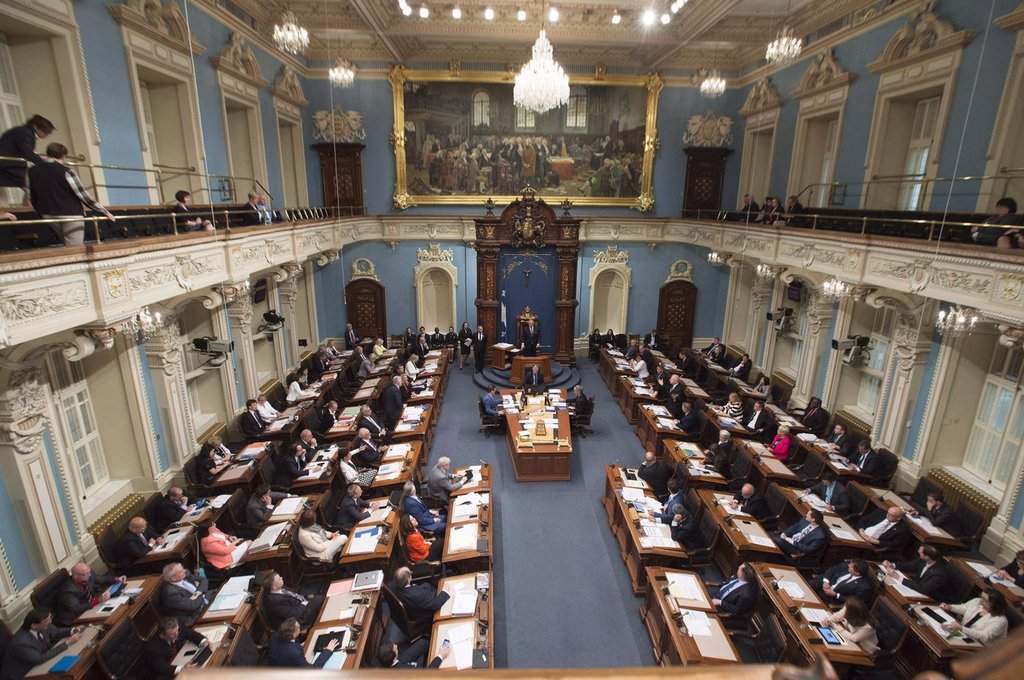
Before strong mayor powers took effect, the City Manager served at the pleasure of City Council as a whole. That meant the top bureaucrat had to balance the competing priorities of twenty-five councillors and a mayor who held just one vote. Today, the Mayor holds direct statutory authority to hire and dismiss the City Manager, appoint department heads, and propose the municipal budget.
This legal shift fundamentally alters the relationship between the political executive and the civil service:
- Direct Accountability: The City Manager is no longer a neutral buffer between the Mayor and Council. They are directly tied to the Mayor's mandate.
- Compressed Timelines: Because strong mayor powers accelerate the budget and bylaw processes, senior bureaucrats have far less time to slow-walk politically sensitive initiatives through endless committee referrals.
- Institutional Friction: Career civil servants trained in non-partisan neutrality now operate in an environment where executive alignment is explicit.
Critics of the administration argue that pushing out seasoned administrators risks losing institutional memory during a severe fiscal crunch. Supporters contend that aligning the top civil servant with the Mayor's agenda is the only way to break through bureaucratic gridlock on housing and transit. Both arguments contain truth, which is precisely why framing the move as a simple "shakeup" is intellectually lazy.
Why Bureaucracies Outlast Political Mandates
I have watched municipal administrations across North America spend millions on executive searches and organizational restructuring, only to watch middle management quietly wait out the political cycle.
In any large public administration, real operational power does not sit exclusively with the City Manager. It sits with the directors and managers who write the staff reports, draft the requests for proposals, and interpret building codes and zoning bylaws. If a mayor replaces the City Manager without overhauling the internal incentives and compliance frameworks that govern middle management, the machinery simply routes around the new leader.
Consider the mechanics of Toronto's housing approval pipeline or its capital infrastructure delivery. A new City Manager cannot unilaterally waive provincial environmental assessments, bypass heritage preservation reviews, or conjure skilled tradespeople out of thin air to fix aging subway infrastructure.
Imagine a scenario where a newly appointed City Manager orders every department to cut permit processing times in half within ninety days. Without changes to underlying zoning bylaws, staffing ratios, or statutory consultation rules, department heads would simply classify applications as "incomplete" to stop the clock—meeting the metric on paper while changing nothing in reality. That is how bureaucracies protect themselves from top-down decrees.
What Actually Matters More Than the Corner Office
If residents want to know whether Toronto’s civil service is actually changing, looking at who holds the title of City Manager is the wrong metric. The real indicators of administrative reform are far less dramatic and rarely make front-page headlines:
- Procurement Reform: Whether the city changes how it awards contracts to stop rewarding the lowest bidder with a history of cost overruns and delays.
- Delegated Authority: Whether City Council stops micromanaging localized zoning and traffic decisions and delegates routine approvals to professional staff.
- Capital Budget Realism: Whether the administration stops padding its ten-year capital plan with unfunded projects that distort long-term financial planning.
- Inter-Divisional Integration: Whether transportation, water, and housing divisions actually coordinate street closures and infrastructure upgrades instead of tearing up the same road three years in a row.
None of these operational fixes happen automatically because one executive leaves City Hall and another arrives. They require sustained political discipline from the Mayor's office and a willingness from City Council to relinquish petty parochial control over neighborhood-level decisions.
The Trade-Off Nobody Wants to Acknowledge
There is a real cost to rapid executive turnover at the top of a municipal government, and pretending otherwise ignores basic organizational realities.
When a City Manager departs mid-term, major initiatives inevitably stall while an interim leader keeps the lights on and a search committee spends months vetting candidates. Department heads pause major strategic decisions until they know who their next boss will be and what that person's priorities are. In a city facing a multi-billion-dollar capital backlog and persistent operating budget pressures, losing six to nine months of executive momentum is not a trivial side effect.
At the same time, keeping a top administrator whose management style or strategic instincts do not match the Mayor's governing approach creates a slow-motion paralysis that wastes even more time. The transition itself is neither an automatic triumph nor an automatic disaster. It is simply a reset of the starting line.
Toronto's civil service does not suffer from a shortage of talented executives. It suffers from a governance model where political leaders demand transformative results while leaving the underlying administrative machinery untouched. Changing the nameplate on the City Manager's door is the easiest part of governing; rewriting the rules that dictate how the city actually operates is the work that almost always gets left undone.