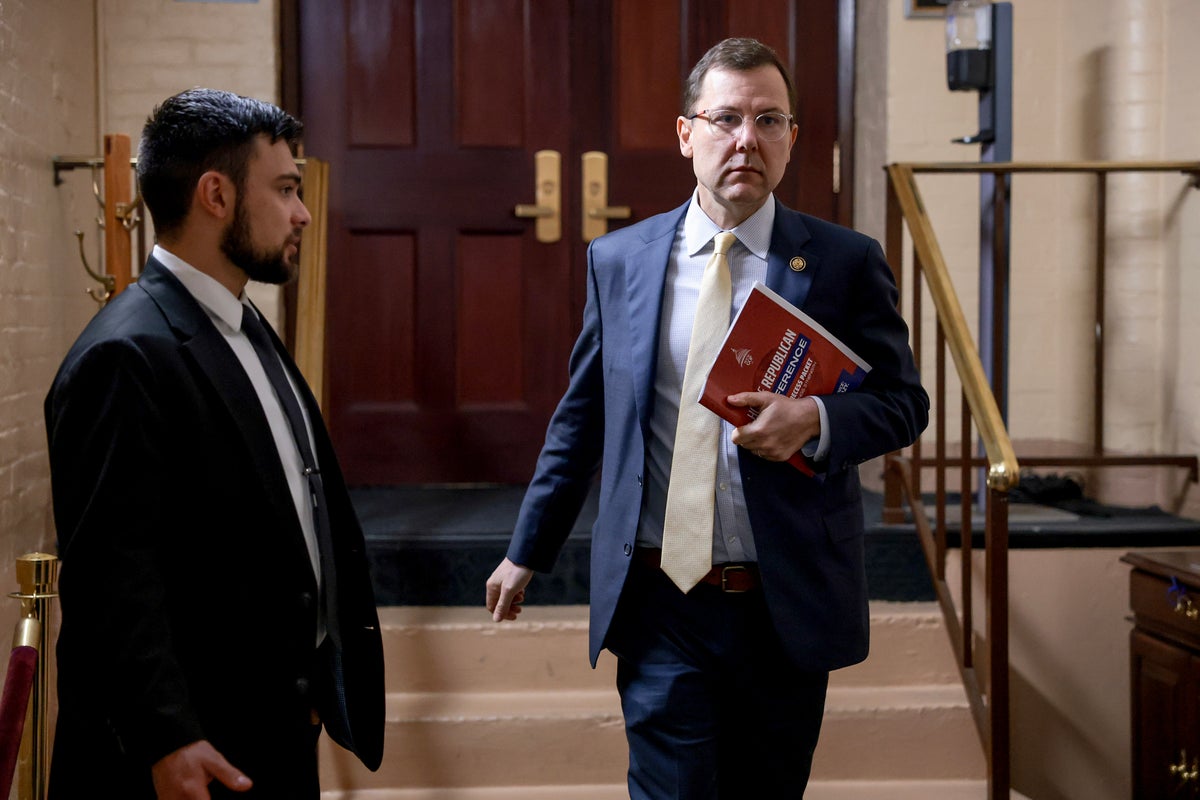
When local law enforcement gets dispatched to a private golf club because a veteran journalist is sitting quietly in a car waiting for an interview, you know a campaign is spiraling into paranoia. That exact scenario played out when The New York Times reporter Tracey Tully tried covering a fundraiser for New Jersey Republican Representative Tom Kean Jr.
Instead of treating the media with basic professional courtesy, campaign handlers blocked her entry, permitted other outlets like Fox News inside, and someone mysteriously dialed 911 to report a trespasser. Let's be clear. Sitting in a public-accessible parking lot isn't a crime. It is just desperate optics from a politician who has spent far too much time avoiding the accountability seat. If you found value in this post, you might want to look at: this related article.
The Anatomy of a Campaign Lockdown
The fundraiser took place at the Hawk Pointe Golf Club in Washington Township, New Jersey. House Speaker Mike Johnson made the trip up to stump for Kean in a heavily contested congressional district. You would think a campaign eager to project strength would welcome eyes and ears.
Instead, Kean's spokesman, Harrison Neely, drew a hard line at the door. He claimed the event was strictly private and media was barred. That defense collapsed quickly once it became clear that other reporters, including Liz Elkind from Fox News, had been granted access. For another perspective on this development, see the recent update from BBC News.
Tully, who has covered New Jersey politics for two decades, chose to wait in the parking lot to catch lawmakers on their way out. That routine journalistic tactic triggered an overreaction from inside the club. A local police sergeant arrived after someone called in a trespasser complaint. The responding officer quickly realized how absurd the call was, noting he simply found a reporter waiting for an interview.
A Pattern of Press Avoidance
This kind of shelter-in-place strategy isn't new for Kean. Earlier this year, the congressman vanished from Washington for an unexplained three-month stretch. When he finally returned, he disclosed he had been receiving treatment for depression.
Dealing with mental health struggles is deeply human, and millions of Americans relate to those battles. But ducking your constituents and dodging the press for months while maintaining total radio silence creates a vacuum. Voters expect transparency from elected officials, especially when those officials disappear from public view.
Even House Speaker Mike Johnson subtly acknowledged during the parking lot encounter that Kean could have handled his public communications much sooner. When your own party leadership admits you botched the PR rollout, you have a serious messaging crisis.
Social Media Spin Versus Reality
Kean's campaign prefers a sanitized digital ecosystem over real interactions. Following the incident, Kean took to social media to insist he maintains extensive local press engagement and accused his Democratic opponent of hiding behind scripts.
Yet X users immediately flooded his posts with reminders of the police being called on a reporter. Other regional lawmakers chimed in with video evidence showing Kean dodging routine press questioning on Capitol Hill. You cannot claim you are accessible while simultaneously hiding behind security gates and police phone calls.
If you are running for office in a district that can flip at any moment, treating the Fourth Estate like a threat vector is a massive strategic error. Voters notice when a candidate refuses to answer tough questions. Transparency builds trust, but calling the cops on reporters builds a narrative that you have something to hide. Stop running from scrutiny, answer the questions, and face the electorate.