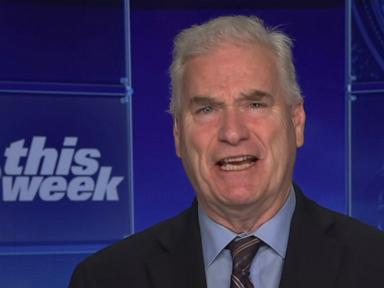
Elections make seasoned politicians sweat, but House Majority Whip Tom Emmer has always preferred a different playbook. When anxiety over the midterm cycle starts creeping through party ranks, his response tends to be a mix of tactical optimism and blunt dismissal of internal panic. You don't win tough legislative battles by checking the polls every ten minutes, and Emmer knows it.
If you look closely at how the Republican leadership operates under pressure, a clear pattern emerges. While pundits predict doom and backbenchers ring alarm bells over shifting voter demographics, top whip operation managers focus purely on district-level execution. Emmer's stance has consistently centered on the idea that internal hand-wringing is a waste of precious political capital.
The Anatomy of Political Panic
Why do political parties spiral into self-doubt right before a major election? Usually, it comes down to noise. Cable news segments, speculative polling data, and sudden fundraising dips can distort reality for lawmakers sitting in safe seats who suddenly feel vulnerable.
When concerns bubble up, leadership faces a choice. They can either validate the anxiety or squash it immediately. Emmer typically chooses the latter. By downplaying structural anxiety, he forces candidates to focus on local messaging rather than nationalized doom loops.
- The Poll Distortion: Public polling often misses ground-level shifts in suburban and rural turnout.
- The Narrative Trap: Media cycles love a story about party infighting, which feeds the exact anxieties leaders need to suppress.
- The Resource Allocation Myth: Panicked members often demand shifts in funding away from winning strategies to chase impossible long-shot districts.
Moving Past the Midterm Blues
Of course, dismissing concerns doesn't mean ignoring actual vulnerabilities. The reality of modern legislative politics requires aggressive fundraising and tight message discipline. Emmer's approach relies on keeping the caucus aligned behind core economic and accountability messages rather than getting dragged into defensive postures.
When the dust settled on the midterms, the internal power dynamics shifted, but Emmer's core philosophy remained intact. Surviving leadership challenges and shifting congressional majorities takes more than wishful thinking—it requires refusing to let the opposition dictate the emotional temperature of your own party.
If you want to understand how Washington power actually functions, stop listening to the panic coming from the microphones and start watching how leaders lock down their votes behind closed doors. Confidence is often manufactured, but in politics, it's the only currency that stops a rout from turning into a total collapse.