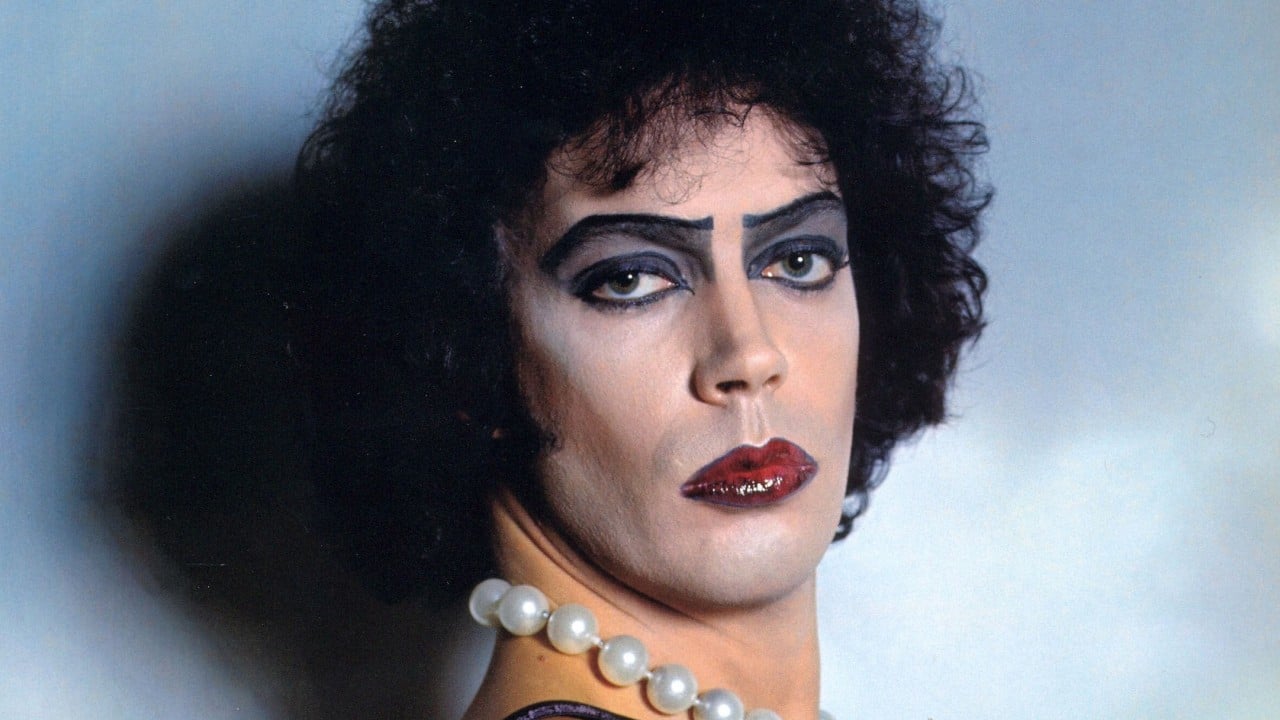
Tim Curry died at his Los Angeles home at the age of eighty, carrying with him a theatrical magnitude that modern cinema rarely knows how to absorb.
For millions, he remains immortalized as Dr. Frank-N-Furter, the sweet transvestite from Transylvania who tore up studio expectations in The Rocky Horror Picture Show. Yet reducing his legacy to fishnets and corsets misses the entire architecture of his career. Curry was not merely a cult icon. He was a classically trained British character actor trapped inside an industry addicted to easy categorization. Hollywood loved his theatricality, but it consistently mistook his precision for mere camp.
The Anatomy of a Refusal
Consider the trajectory of a performer who could command the Broadway stage as Mozart in Amadeus only to pivot into the terrifying, raw-nerve menace of Pennywise the Clown in television's It. Most actors spend decades trying to establish a brand. Curry spent his lifetime breaking his own mold before the studio executives could slap a label on it.
When The Rocky Horror Picture Show limped out of its initial 1975 screenings to a deafening studio silence—what Curry famously described as a plangent silence sitting there like porridge—the industry wrote it off as a commercial disaster. Twentieth Century Fox had no framework for a movie that gleefully obliterated gender norms while demanding audience participation with rice and toilet paper. Curry did not lament the box office failure. He retreated, licked his wounds with a bottle of vodka and submarine sandwiches, and went right back to work.
That resilience defined his decades-long run. He possessed a rare, old-world discipline born from British regional theater and the rigorous halls of the University of Birmingham. He understood text, timing, and vocal architecture.
The Voice Behind the Villainy
When a massive stroke in 2012 forced him into a wheelchair, many obituary writers frame the narrative as an abrupt curtain drop. They miss the second act. Even after physical mobility became restricted, Curry simply shifted his creative weight entirely into voice acting, a medium where his vocal cords required no legs to stand on.
Generations of children and animation fans grew up on his vocal dexterity without ever connecting his face to the microphone. He gave life to Nigel Thornberry in The Wild Thornberries, Captain Hook in Peter Pan and the Pirates, and Darth Sidious in Star Wars: The Clone Wars. He did not phone these performances in. He approached cartoon villainy with the same Shakespearean weight he brought to the West End.
Hollywood has always struggled with performers who refuse to take themselves seriously while taking their craft entirely seriously. Curry wore his intellect like armor and his humor like a shield. His 2025 memoir, Vagabond, offered a characteristically sharp reminder to audiences who felt entitled to his private life: the characters he played were costumes, not confessions.
He leaves behind an industry currently obsessed with algorithmic casting, safe IP, and focus-tested movie stars. Tim Curry was an explosion of color in a monochromatic machine, a reminder that the best actors are the ones who make you slightly uncomfortable while you are cheering for them to steal the scene.

.jpg?width=1200&auto=webp&trim=0%2C100%2C0%2C100)

