When the Vatican released the first photographs of Pope Leo XIV after his lung surgery in October 2026, millions of people looked past the vestments and zoomed in on his posture. Was he frail? Was he rushing back to work too soon?
Here is the straightforward answer. Those images from Rome's Gemelli Polyclinic showed a 71-year-old pontiff standing on his own, celebrating Mass on the hospital's tenth floor just days after doctors removed the lower lobe of his right lung to treat a cancerous tumor. Medical updates released alongside the photos pointed to steady improvement, a recovering lung on X-ray, and an ability to handle basic daily routines without hovering aides.
Most quick-hit news stories stop right there. They treat the pictures like a routine PR check-in and move on. That misses the bigger story about how early detection works, how video-assisted thoracic surgery changes recovery for older patients, and how Pope Leo XIV approached his own diagnosis without drama or secrecy.
How a routine checkup turned into lung surgery
Most people hear "lung cancer" and picture a painful, drawn-out search for answers after someone starts coughing blood or losing weight fast. That wasn't what happened here.
Pope Leo XIV had no symptoms of illness or infection before his operation. As he later explained, doctors spotted a shadow on his lung during a routine annual checkup, which turned out to be a small nodule. He shared the news publicly at the end of his Sunday Angelus prayer in St. Peter's Square on October 11, 2026, telling the crowd that physicians had found a well-contained nodule at an early stage and recommended taking it out.
Two days later, on October 13, surgeons at Rome's Agostino Gemelli Polyclinic operated. Rather than just snipping out a tiny piece of tissue, the medical team led by chief thoracic surgeon Dr. Stefano Margaritora removed the lower lobe of his right lung. Pathology confirmed adenocarcinoma, the most common form of lung cancer.
That detail matters more than casual readers might realize. A lung nodule is a common finding on chest scans, and plenty of nodules turn out to be benign scars or inflammation. Removing the entire lower lobe—a lobectomy—is a thorough, definitive step when doctors want clean margins and clear answers. If you've ever waited on biopsy results yourself, you know the knot in your stomach during those few days. Pope Leo didn't hide from the uncertainty, and he didn't pretend nothing was happening.
Why those Gemelli photos mattered beyond Vatican optics
Papal hospitalizations carry heavy historical weight. Over the decades, the tenth floor of Gemelli has become almost a second stage for the papacy, from St. John Paul II's stays to Pope Francis's medical battles. Whenever a pope goes into the hospital, rumors fill every quiet hour.
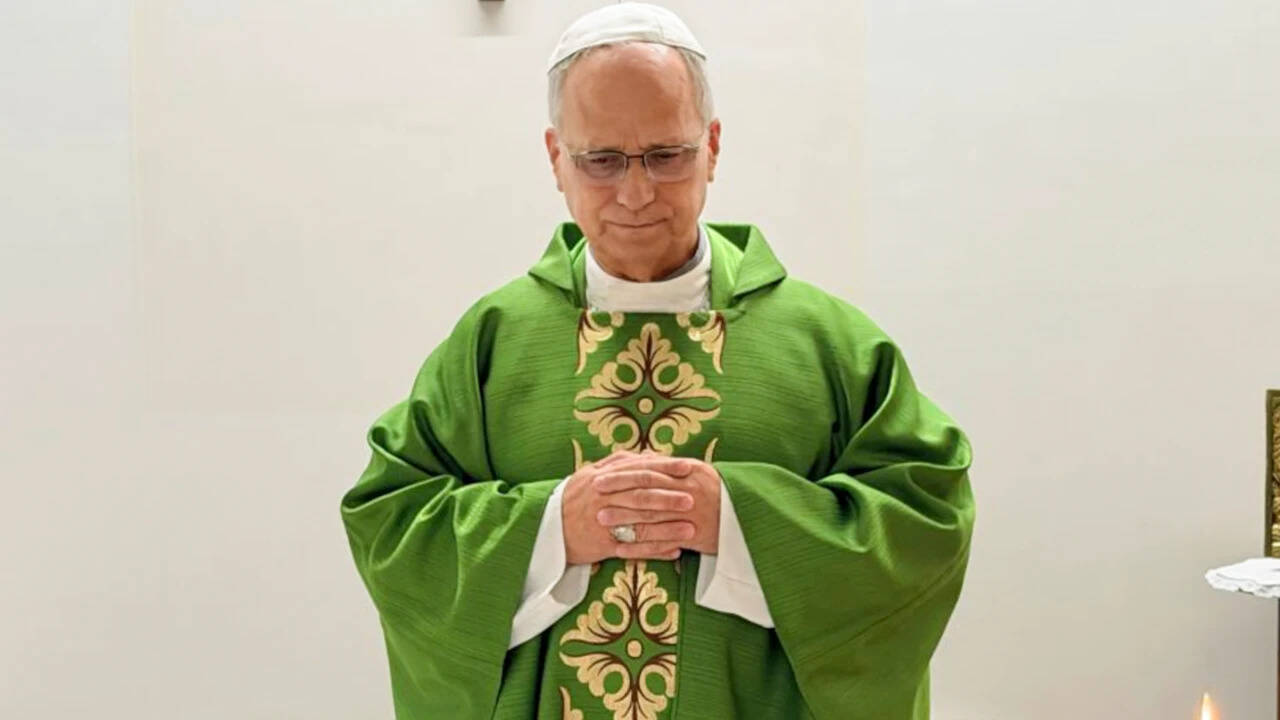
By October 16, Vatican Media released photos showing Pope Leo XIV standing at an altar in green vestments on the tenth floor, presiding over Mass, giving Communion to medical staff and Vatican gendarmes, and thanking hospital workers in his homily. A joint medical update from his personal physician, Dr. Luigi Carbone, and Dr. Margaritora reported continued improvement, noting that a chest X-ray showed good recovery of the operated lung and that he could manage normal daily activities on his own.
Was everything wrapped up in a neat bow? No, and honest reporting shouldn't pretend otherwise. Doctors still had post-operative tissue evaluations to review to see whether any further therapy would be needed, and church observers watched closely to see how quickly he would bounce back. Still, standing upright and officiating Mass three days after losing a lung lobe is not the picture of a man barely clinging to routine.
What video-assisted surgery actually looks like in practice
When people hear "lung surgery," their minds often jump to old-school open-chest operations with huge ribs spread apart and months spent shuffling down hospital hallways. Modern thoracic care looks very different when a tumor is caught early.
Pope Leo's operation used a video-assisted technique. In video-assisted thoracoscopic surgery (VATS), surgeons make small incisions between the ribs, insert a tiny camera so they can see high-definition images on a monitor, and use slender instruments to remove the targeted lobe without cracking the breastbone or spreading ribs wide.
From a clinical standpoint, that approach changes the first week dramatically:
- Less trauma to the chest wall usually means less sharp postoperative pain and fewer breathing setbacks right after waking up.
- Earlier upright movement helps expand the remaining lung tissue and lowers the risk of fluid buildup or pneumonia.
- Shorter hospital stays are common when there are no complications, which helps explain why he was discharged after five days and soon returned to his schedule, including a major multi-stop trip to South America in November.
Now, let's be clear about limits. Even with keyhole-style video surgery, a lobectomy is still major surgery. You lose a section of lung capacity, your chest muscles and nerves still need time to settle, and fatigue can hit like a brick wall in the afternoon even when your morning looks strong. Anyone who has watched an older parent or relative recover from thoracic surgery knows that "doing fine" at day four doesn't mean running a marathon at day ten.
The mindset behind his recovery and public message
One of the most striking parts of Pope Leo's response wasn't medical jargon—it was how plainspoken he was about not letting fear run the show.
Born Robert Prevost in Chicago and elected pope in May 2025, he didn't rush to write a provisional resignation letter before going under anesthesia, nor did he treat the diagnosis as a reason to overhaul his priorities. Speaking later aboard the papal flight back from Peru after his November South American visit, he said the surgery hadn't changed his agenda or his focus on unity within the Church, adding simply, "I'm not 100% but I'm pretty good," and calling endurance one of the gifts he relies on.
He also pointed to a practical takeaway for everyday people: don't skip checkups out of dread. Because his nodule turned up during routine care with zero warning signs, early action gave doctors the best shot at dealing with it head-on.
Practical steps if a lung nodule or cancer scare hits close to home
Watching a public figure go through a scary medical moment only helps if you turn it into something useful for your own life or your family's health. If you or someone you love is dealing with a lung spot or thinking about screening, take these concrete steps:
- Ask specific questions about any lung nodule. If a scan mentions a nodule, ask your doctor for its size in millimeters, its appearance (solid, part-solid, or ground-glass), whether prior scans exist for comparison, and the exact follow-up interval recommended under clinical guidelines.
- Check whether low-dose CT screening fits your history. Major medical bodies like the American Cancer Society and the National Cancer Institute outline clear criteria for low-dose computed tomography screening based on age and smoking history. Don't guess—ask a primary care doctor or pulmonologist where you stand.
- Prepare smartly for thoracic appointments. Bring a written list of questions, take notes or bring a second set of ears to oncology and surgical visits, and ask whether a minimally invasive video-assisted approach is appropriate if surgery is ever advised.
- Plan for gradual stamina, not instant bounce-back. After lung surgery, follow breathing exercises to the letter, pace your walks, keep up with follow-up imaging, and give yourself grace when energy lags even after your doctors say your scan looks good.