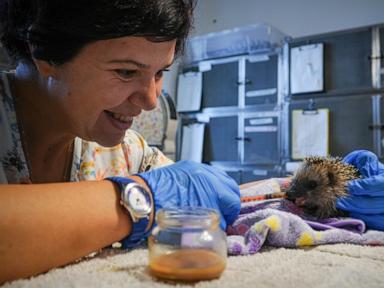
Wildlife rehabilitation centers operate as early-warning bio-surveillance networks, and the admission logs of Italian hedgehog rescue facilities expose a systemic breakdown in mammalian hibernation mechanics driven by thermal volatility. When ambient autumn temperatures fail to drop consistently below the physiological threshold required to trigger torpor, European hedgehogs (Erinaceus europaeus) remain metabolically active during a seasonal window devoid of caloric supply. The resulting crisis at specialized clinics—most notably Centro Riccio La Ninna in Piedmont—is not merely an emotional conservation story; it is a measurable case study in energy-balance deficits, parasitic load amplification, and resource allocation under acute ecological stress.
The Bioenergetic Trap of Interrupted Hibernation
Hibernation is an active, tightly regulated physiological state rather than passive sleep. To survive winter, a European hedgehog must accumulate sufficient subcutaneous and brown adipose tissue before ambient temperatures fall below approximately 10 degrees Celsius. Once torpor initiates, the animal drops its core body temperature from roughly 35 degrees Celsius to match the surrounding environment, reducing heart rate from 200 beats per minute to fewer than 20 and cutting metabolic energy expenditure by up to 90 percent. Recently making waves in related news: The Steel Ribs of the Dnipro and Why Breaking Them Changes Everything.
Warming autumn and winter anomalies across Southern Europe shatter this thermodynamic equation through a three-stage failure cascade:
- Delayed Torpor Onset: Unseasonably warm weather in November and December keeps hedgehogs foraging. Because the metabolic rate scales exponentially with body temperature, an active hedgehog burns through its fat reserves at roughly ten times the rate of a hibernating peer.
- Prey-Base Asynchrony: While ambient air temperatures remain high enough to prevent torpor, photoperiod cues (day length) and soil temperature shifts still drive invertebrates—beetles, earthworms, and larvae—deep underground or into dormancy. The hedgehog expends high-tier active calories searching for a food supply that has already vanished.
- False Arousals: Mid-winter warm spells trigger premature arousal from torpor. Rewarming the body from 5 degrees Celsius to 35 degrees Celsius requires massive non-shivering thermogenesis via brown fat oxidation. A single unscheduled arousal consumes the energy equivalent of several weeks of stable hibernation. If cold snaps return immediately afterward, the animal lacks the caloric buffer to re-enter torpor safely or survive until spring.
This bioenergetic mismatch explains why rehabilitation centers in northern Italy now receive peak intakes of underweight juveniles and emaciated adults well into winter—months when intake wards historically remained nearly empty. Additional information on this are detailed by The New York Times.
Secondary Pathologies and Vector Expansion
Starvation rarely acts in isolation within wild populations. Nutritional stress directly degrades cell-mediated immunity, turning commensal or low-grade parasitic infections into lethal systemic conditions. Veterinary triage data from Italian rescue operations consistently links climate-driven malnutrition to two compounding clinical failures.
First, gastrointestinal and pulmonary nematodes—specifically Crenosoma striatum (lungworm) and Capillaria species—proliferate unchecked in immunocompromised hosts. A healthy hedgehog carries a baseline parasite burden without clinical symptoms. Once fat reserves drop below critical thresholds, mucosal immunity collapses. Lungworm larvae migrate through pulmonary tissue, causing severe bronchopneumonia, secondary bacterial infections, and hypoxia. Rehabilitation clinicians must therefore treat not just caloric deficit, but acute respiratory distress requiring nebulization, broad-spectrum antibiotics, and staged anthelmintic protocols.
Second, warmer winters eliminate the hard frosts that historically suppressed ectoparasite life cycles. Ticks (Ixodes hexagonus) and fleas remain active year-round in leaf litter and urban gardens. Continuous ectoparasitic feeding induces regenerative anemia in weakened hedgehogs while increasing transmission rates of vector-borne pathogens. At the same time, starved hedgehogs shift from natural foraging to scavenging anthropogenic food sources—pet food left outdoors or uncovered waste—bringing them into high-density contact with domestic animals and increasing exposure to rodenticides, slug pellets, and vehicular traffic.
The Reproductive Mismatch of Second Litters
A critical demographic anomaly documented by Italian wildlife veterinarians is the surge in late-autumn litters. Under stable climatic regimes, Erinaceus europaeus breeds once or twice between May and August, giving late-summer hoglets roughly ten to twelve weeks to reach the minimum viable hibernation mass of 500 to 600 grams before November frosts.
Prolonged summer heat extending into October alters endocrine signaling, inducing females to produce late-season litters in September or October. These late-born hoglets face a mathematical impossibility:
- Insufficient Growth Window: A hoglet born in late September weighs roughly 15 to 25 grams. Reaching the 600-gram survival threshold requires sustained daily weight gain fueled by high-protein insect prey.
- Maternal Depletion: Lactation imposes the highest energetic demand of any mammalian life stage. A female raising a late litter depletes her own winter fat stores during a period when caloric replacement is scarce, resulting in high mortality for both mother and offspring unless human intervention occurs.
When these underweight juveniles arrive at rescue facilities, they cannot be released until the following spring. This shifts the operational model of a wildlife clinic from short-term trauma stabilization to multi-month overwintering husbandry.
Operational Bottlenecks in Wildlife Triage Systems
Running an overwintering facility for hundreds of insectivores exposes severe structural constraints in conservation financing and clinical logistics. Unlike livestock or companion animal medicine, wildlife rehabilitation generates zero direct revenue while demanding hospital-grade biosecurity and specialized nutrition.
The operational cost function of a facility like La Ninna breaks down into four rigid variables:
- Thermal Regulation Overhead: Malnourished or hypothermic admissions cannot regulate their own body temperature. Initial stabilization requires heated incubators maintained between 25 and 30 degrees Celsius, followed by climate-controlled recovery wards. Rising European energy costs directly inflate the per-patient daily holding cost.
- Specialized Caloric Inputs: Hedgehogs are obligate insectivores with strict calcium-to-phosphorus ratios and chitin requirements. Feeding inappropriate substitutes causes metabolic bone disease and hepatic lipidosis. Procured mealworms, crickets, and high-protein veterinary recovery diets represent a continuous, non-negotiable cash outflow.
- Biosecurity and Quarantine Labor: High-density intake increases the risk of nosocomial outbreaks, particularly ringworm (Trichophyton erinacei) and salmonellosis. Preventing cross-contamination requires individual housing units, daily disinfection cycles, and strict barrier nursing protocols, multiplying labor hours per animal.
- Veterinary Diagnostics: Differentiating between simple starvation, lungworm pneumonia, and toxicosis requires fecal flotation, microscopy, and radiographic imaging before administering pharmaceuticals. Dosing a severely dehydrated hedgehog with standard antiparasitics triggers fatal endotoxic shock from rapid parasite die-off.
Methodological Limits of Clinical Rescue Data
While admission spikes at Italian hedgehog hospitals provide compelling clinical evidence of climate stress, analysts must account for detection bias before extrapolating clinic intake numbers to total wild population decline.
Rescue intake figures measure human-wildlife encounter rates alongside animal morbidity. Increased public awareness, social media visibility of rescue centers, and urban sprawl into peri-urban agricultural zones all elevate the probability that a sick hedgehog will be found and transported to a clinic. A 30 percent increase in hospital admissions does not automatically equate to a 30 percent increase in wild morbidity; part of that variance reflects improved citizen reporting networks.
Furthermore, clinical rehabilitation operates downstream of the ecological driver. Returning 400 rehabilitated hedgehogs to the wild in April restores local biomass temporarily, yet those animals re-enter the exact same fragmented, pesticide-treated, thermally unstable habitat that caused their initial collapse. Without parallel landscape-level interventions, clinical rescue functions as palliative care for a degraded ecosystem rather than a self-sustaining population recovery mechanism.
Strategic Allocation for Conservation Infrastructure
To transition wildlife rehabilitation from reactive crisis management to durable ecological intervention, conservation planners and facility directors must restructure both clinical protocols and external funding models:
- Establish Regional Triage Networks: Centralize acute veterinary diagnostics and intensive care at major hubs while decentralizing long-term overwintering to vetted, trained foster networks. Moving stable, weight-gaining hedgehogs out of clinical wards frees incubator capacity and cuts per-animal facility overhead by up to 60 percent.
- Standardize Bio-Surveillance Reporting: Convert manual clinic intake logs into standardized epidemiological datasets tracking body condition scores, parasite prevalence, and geographic coordinates. Feed this data directly to regional environmental ministries to justify pesticide bans and municipal mowing restrictions during peak breeding windows.
- Deploy Micro-Habitat Engineering at Scale: Pair every animal release with mandatory habitat modification protocols for local municipalities and landowners—specifically connected hedgerow corridors, chemical-free buffer zones, and insulated, predator-proof winter hibernacula that buffer wild populations against mid-winter temperature swings.