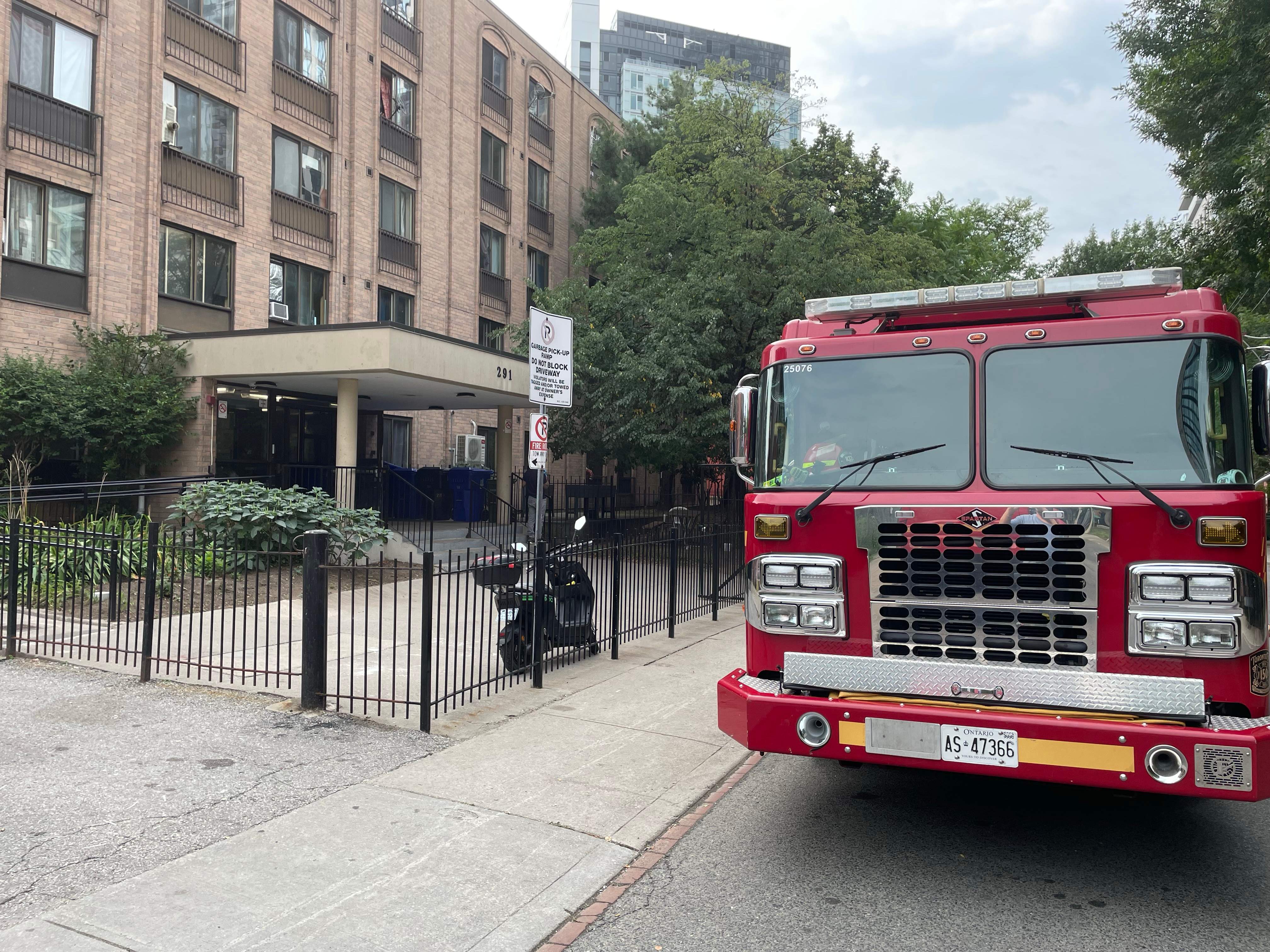
Three lithium-ion battery fires within a single 24-hour municipal operational window is not an anomaly. It is a stress test of urban infrastructure against an exponential scaling curve of energy density. When a local fire chief expresses frustration over consecutive incidents, the public narrative typically fixates on the novelty of the fuel source. This obscures the underlying systemic failure: municipal emergency response frameworks, consumer safety regulations, and waste management protocols are anchored to twentieth-century combustion models while confronting twenty-first-century electrochemistry.
Understanding this friction requires examining the mechanics of lithium-ion energy storage systems, the failure modes that accelerate thermal cascades, and the operational bottlenecks that prevent fire services from managing these events with traditional suppression methods. You might also find this related coverage useful: YMTC Backed Capital Targets Silicon Alternatives to Dodge Washington Curbs.
The Electrochemistry of Rapid Failure
Lithium-ion cells store energy via the movement of lithium ions between a transition metal oxide cathode and a graphite anode through a liquid organic carbonate electrolyte. Under normal operating parameters, a porous polymeric separator maintains physical isolation between these electrodes. When physical trauma, manufacturing defects, overcharging, or external thermal loading compromises this separator, a short circuit occurs within the wound or stacked layers of the cell.
This internal short initiates an exothermic chain reaction known as thermal runaway. The sequence proceeds through distinct operational thresholds: As discussed in latest coverage by ZDNet, the results are significant.
- Separator Degradation: Temperatures rise past one hundred degrees Celsius, causing the polymeric separator to melt and permitting direct physical contact between the anode and cathode.
- Electrolyte Decomposition: At approximately one hundred thirty degrees Celsius, the solid electrolyte interphase layer breaks down, reacting with the electrolyte solvent to generate flammable gases including ethylene carbonate, dimethyl carbonate, and hydrogen.
- Cathode Collapse: Exceeding two hundred degrees Celsius triggers the thermal decomposition of the cathode material, releasing oxygen which exacerbates the internal combustion of the volatile solvent gases.
- Current Collector Melting: Copper and aluminum current collectors melt as internal temperatures surpass six hundred degrees Celsius, projecting incandescent particulate matter and accelerating the breach of the cell casing.
Unlike class A fires involving ordinary combustibles or class B fires involving flammable liquids, lithium-ion cells manufacture their own oxidizer internally. Supplying water to the exterior of a burning pack cools adjacent materials and retards the spread, but it cannot easily penetrate the sealed casing to quench the core chemical reaction. Consequently, suppressed packs frequently undergo delayed secondary ignition hours or days later as trapped thermal energy migrates through the module architecture.
The Municipal Logistics Bottleneck
Emergency response systems are built on spatial proximity and rapid water application. When a lithium-ion battery ignites in a residential structure, a commercial delivery vehicle, or a municipal waste facility, standard tactical playbooks fail due to three distinct structural constraints.
The Suppression Time Discrepancy
Traditional structural fires are mitigated once cooling agents eliminate the heat feedback loop. Lithium-ion systems demand sustained suppression volumes far exceeding standard pumper truck capacities because the reaction propagates cell-to-cell within a tightly packed module. Fire crews are forced to maintain continuous cooling flows for hours, depleting municipal water supplies and tying down emergency assets that cannot be redeployed to concurrent neighborhood incidents.
The Toxicity Vector
The combustion byproduct profile of an off-gassing lithium-ion battery diverges sharply from standard wood or petroleum smoke. Burning electrolytes release toxic and corrosive agents, including hydrogen fluoride, hydrogen cyanide, phosphoryl fluoride, and heavy metal particulates. Firefighters operating without specialized self-contained breathing apparatus and high-level chemical protection suits face immediate acute respiratory damage. Municipal departments unequipped with specialized hazmat screening protocols during routine structural calls experience secondary contamination risks as toxic residue settles on turnout gear and apparatus bays.
The Chain of Custody Vacuum
Once suppression concludes, municipalities face an operational vacuum regarding damaged energy storage units. Standard tow yards and municipal dumps refuse compromised batteries due to spontaneous reignition risks. Without designated quarantine facilities equipped with thermal imaging monitoring and submersion tanks, emergency services must leave unstable wreckage on-site, shifting liability back onto property owners who lack the technical capability to manage hazardous energy states.
The Consumer Safety Regulatory Gap
The acceleration of municipal fires traces directly to a regulatory oversight: the velocity of consumer adoption outpaces safety certification enforcement. Lithium-ion cells are ubiquitous across micro-mobility devices, power tools, consumer electronics, and backup power units.
The market experiences three competing pressures that degrade baseline safety margins:
- Cost Compression: Low-cost manufacturing incentives drive the proliferation of uncertified replacement batteries, missing essential thermal management circuitry and internal pressure-relief vents.
- Lack of Standardized Diagnostics: Unlike internal combustion vehicles, which undergo mandated state emissions and mechanical inspections, consumer-grade lithium-ion power sources operate in an unregulated grey market. Consumers possess no mechanism to assess battery health degradation or internal dendrite formation before catastrophic failure occurs.
- Information Asymmetry: First responders arriving at a fire scene cannot determine the state of charge, chemistry variant, or manufacturer specifications of the energy storage units inside a burning structure. This forces tactical decisions to rely on worst-case assumptions, driving up resource expenditure.
Strategic Operational Redesign
Mitigating the frequency and severity of municipal battery fires requires abandoning the assumption that these incidents are managed through tactical fire suppression alone. Municipalities and regulatory bodies must implement a three-tier intervention structure.
First, waste management systems must transition to mandatory segregation protocols for all lithium-ion components. Automated sorting facilities require specialized optical and thermal detection arrays to intercept batteries before they enter high-compression municipal garbage trucks, where mechanical crushers routinely trigger internal shorts.
Second, building codes and municipal fire prevention ordinances must mandate passive containment standards for commercial and multi-unit residential storage installations. This includes integrating early-warning off-gas sensors that detect volatile organic compounds prior to thermal runaway, allowing automated shutdown sequences or manual evacuation before flames manifest.
Third, emergency response resource allocation must shift from reactive suppression to predictive containment. Fire departments must integrate thermal imaging drone surveillance and specialized puncture nozzles designed to inject water directly into sealed battery housings, reducing total water volume requirements and shortening operational deployment times.
The recurrence of multi-incident clusters within compressed timeframes signals that the margin for error in managing portable and stationary energy storage has evaporated. Treating these events as isolated accidents guarantees structural paralysis for urban emergency services. The operational response must evolve from managing the symptoms of thermal runaway to regulating the deployment lifecycle of the energy source itself.