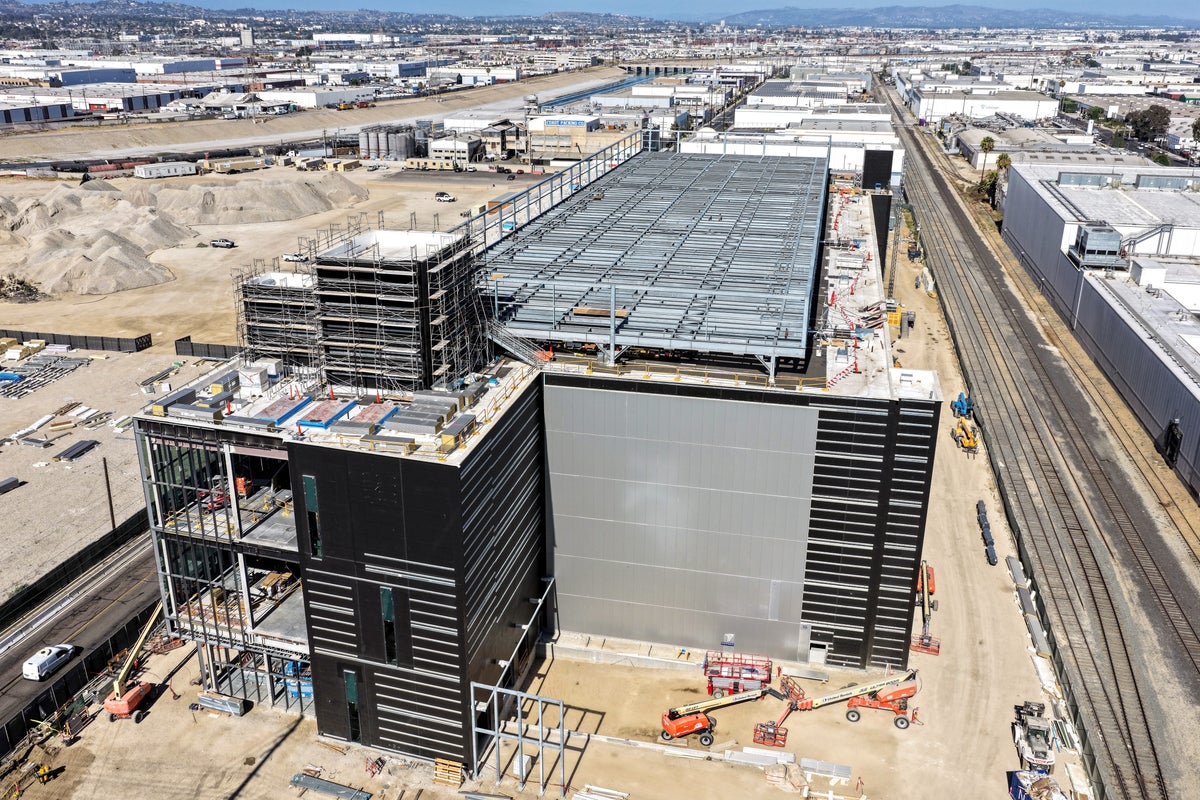
Texas was supposed to be the ultimate haven for Artificial Intelligence infrastructure. For years, state leaders rolled out the red carpet for Silicon Valley tech giants, handing out tax breaks and boasting about an unrestricted free market. Now, that welcome mat is being yanked back hard—and the fiercest backlash isn't coming from environmental activists. It's coming from inside the Texas Republican party itself.
At the center of this battle is a massive surge in proposed AI data centers across rural counties. Silicon Valley billionaires and tech conglomerates want thousands of acres of Texas soil to build giant, power-hungry facility hubs. But local residents, ranch owners, and conservative lawmakers are putting their feet down. They're worried about sky-high electric bills, drained water aquifers, and industrial eyesores invading quiet rural towns.
The political friction reached a boiling point when Governor Greg Abbott dramatically shifted his stance, calling for a total ban on AI data center construction in rural neighborhoods and pushing to strip away state tax exemptions.
The Big Tech Gold Rush Hits the Rural Texas Grid
To understand why local conservative voters are up in arms, you have to look at the sheer scale of what tech companies are asking for.
Data processing facilities designed for AI workloads aren't your typical warehouse. Training large language models requires staggering amounts of electricity and cooling resources. The Electric Reliability Council of Texas (ERCOT) reported that large projects seeking connection to the state power grid hit 439 gigawatts of capacity requests—about five times the peak demand of the entire state grid. Roughly 89% of those requests come directly from data center projects.
When developers buy up cheap unincorporated land outside small towns, they bypass traditional city zoning rules. A Texas Tribune analysis revealed that nearly half of all planned data centers in the state are slotted for unincorporated rural areas, where county governments lack basic zoning powers to stop them.
That sudden arrival creates immediate friction with local communities:
- Drained Water Resources: Traditional cooling systems can gulp millions of gallons of groundwater daily, raising fears among local farmers and ranchers during hot summer months.
- Power Grid Strain: Massive electricity consumption threatens to push up power rates for ordinary residential customers.
- Noise and Light Pollution: Constant industrial fan hums and security lighting alter the rural landscape around property boundaries.
Public polling from the University of Texas shows that roughly two-thirds of rural residents oppose building these industrial complexes in their backyards. Because nearly 60% of planned facilities fall inside conservative legislative districts, Republican leaders find themselves caught directly between deep-pocketed tech donors and their core voting base.
Abbott Turns the Corner on Data Center Giveaways
Governor Greg Abbott spent years hailing Texas as the premier home for tech expansion, even celebrating massive multibillion-dollar investments from tech giants like Google. But as public outrage grew in East and North Texas, Abbott pulled a quick political pivot.
Speaking to voters in Bullard, Texas, Abbott took a firm stance: "We must prohibit them from building AI data centers in rural Texas neighborhoods."
Abbott didn't stop at words. He urged the Public Utility Commission to enact stricter regulations ahead of the upcoming legislative session. Under his proposal, tech firms will have to abide by tough new conditions if they want to build in Texas:
- Build Their Own Power: New facilities must bring or generate their own power supply rather than freeloading on the existing residential grid.
- Cover Infrastructure Costs: Tech companies have to pay for their own grid interconnections instead of passing costs to Texas ratepayers.
- Mandate Closed-Loop Water: Systems must recycle and reuse water locally rather than draining regional aquifers.
- Kill the Tax Breaks: Elimination of sales tax exemptions that previously saved data center developers billions.
Data from the Texas Comptroller's Office shows that state taxpayers granted nearly $2.8 billion in sales tax exemptions to data center operators between 2014 and 2026, with another $3.2 billion forecasted over the next two years. Cutting off those incentives marks a huge departure from the state's traditional corporate tax policy.
GOP Leaders Clash Over Property Rights and Growth
Even with Abbott taking a hard line, the Texas GOP is far from unified. The disagreement highlights a fundamental divide within conservative ideology: corporate economic development versus local private property protection.
On one side, conservative lawmakers like State Representative Shelley Luther back Abbott's hard stop. Representing a rural district near Sherman, Luther argues that industrializing rolling pastures threatens the local culture and infringe on neighboring property rights. As Luther put it, "Steaks don't come from H-E-B. They've got to come from somewhere in rural Texas. You've got to preserve this land and not put a big industrial footprint on it."
Luther and her supporters contend that while a landowner has the right to sell their property, operating a facility that dumps noise, consumes public water, and strains shared electricity crosses the line into infringing on neighbors' rights.
On the other side of the aisle, officials like Texas Railroad Commissioner Wayne Christian push back against outright bans. Christian argues that rural Texas communities are struggling economically and need fresh capital influxes. In his view, banning facilities deprives landowners of the right to sell their property for maximum value and turns away billions in local property tax revenue.
Instead of blanket prohibitions, Christian advocates for clear ground rules—what he calls a "Texas plan"—that lets development proceed under strict operating standards without outright banning the technology.
Meanwhile, state leaders like Agriculture Commissioner Sid Miller have called for an immediate special session to handle data center rules, though any sweeping legislative changes will likely have to wait until lawmakers convene at the state Capitol in Austin.
What Property Owners and Local Leaders Need to Do Now
If you live in rural Texas or serve on a county board, sitting back and waiting for state legislation isn't enough. The push to acquire rural land is happening today. Here are direct, practical steps local residents and county officials are taking right now to protect their property and communities:
- Push for County Authority: Organize local petitions urging state representatives to grant county commissioner courts targeted zoning and regulatory authority over heavy industrial construction in unincorporated areas.
- Form Local Groundwater Conservation Districts: Establish or strengthen local water districts to monitor, cap, or tax heavy industrial groundwater extraction before developers dig deep wells.
- Enact Local Noise Ordinances: Work with county officials to establish strict decibel limits along property lines, penalizing industrial sites that generate low-frequency hums.
- Demand Binding Interconnection Agreements: Require developers seeking local permits to sign legally binding contracts guaranteeing they will fund all utility upgrades and build dedicated power generation on-site.
The debate over Texas land and AI power demands is far from over, but one thing is clear: the era of unconditional giveaways to Big Tech in the Lone Star State is officially at an end.