Airbase gates do not swing open for grievance. They require authorization codes, logistical synchronicity, and the heavy, silent assent of sovereign nations. When American bombers sought to use British and Italian runways for retaliatory strikes against Iran earlier this year, the response from Europe was not a handshake. It was a closed door.
That silence reverberated all the way to the glass-and-steel corridors of Ankara, Turkey, where thirty-two leaders gathered for the NATO summit.
The air inside the diplomatic plenary was thick with historical weight and sudden, acute tension. Everyone knew the math. Everyone understood the vulnerability. For decades, the Western alliance operated on a singular, unshakeable premise: an attack on one is an attack on all. But trust is a fragile currency, easily devalued when one partner believes they are holding an empty ledger.
Donald Trump arrived at the summit carrying the weight of that perceived betrayal. To understand the mood in the morning session is to understand the quiet panic of career diplomats who have spent their lives building global stability. The public statements leading into the forum had been brutal. The American president had publicly lambasted allies over their defense spending, revived an unorthodox demand for control of Greenland, and openly questioned whether the transatlantic partnership was a asset or a liability.
Madrid had rejected the alliance's accelerated 3.5% gross domestic product defense target. To the American delegation, it looked like free-riding. To the Europeans, it looked like a sovereign choice under immense domestic economic pressure.
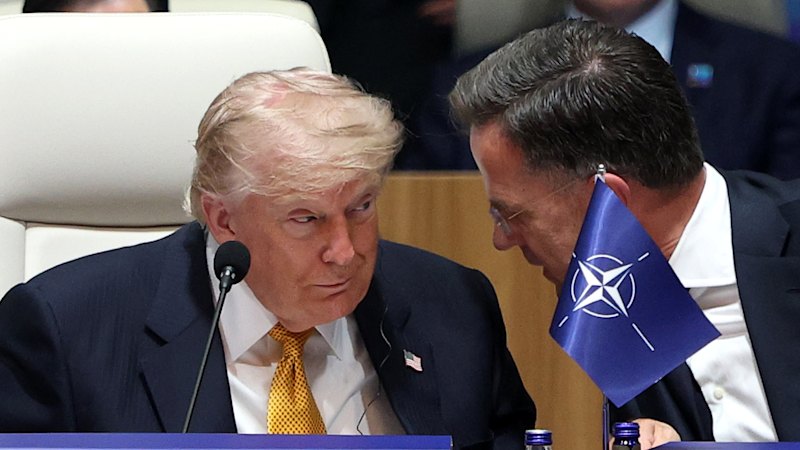
When Trump stood beside NATO Secretary General Mark Rutte, the language was unsparing. He was very upset. Billions of dollars were flowing outward from Washington to protect nations that, in his view, refused to stand up when the wind blew from Tehran. The ceasefire with Iran was over. The room held its breath. Observers whispered that the summit was spiraling toward a definitive, emotional breaking point—a moment where the American president might simply walk out, tearing the fabric of post-war security to shreds.
Then, the doors closed.
What happens behind those soundproofed barriers is rarely a matter of grand geopolitical chess. It is a matter of human mechanics. Thirty-two people, stripped of their press entourages, breathing the same recycled air, forced to look each other in the eye.
The expected explosion never came. Instead, a strange, quiet pivot occurred.
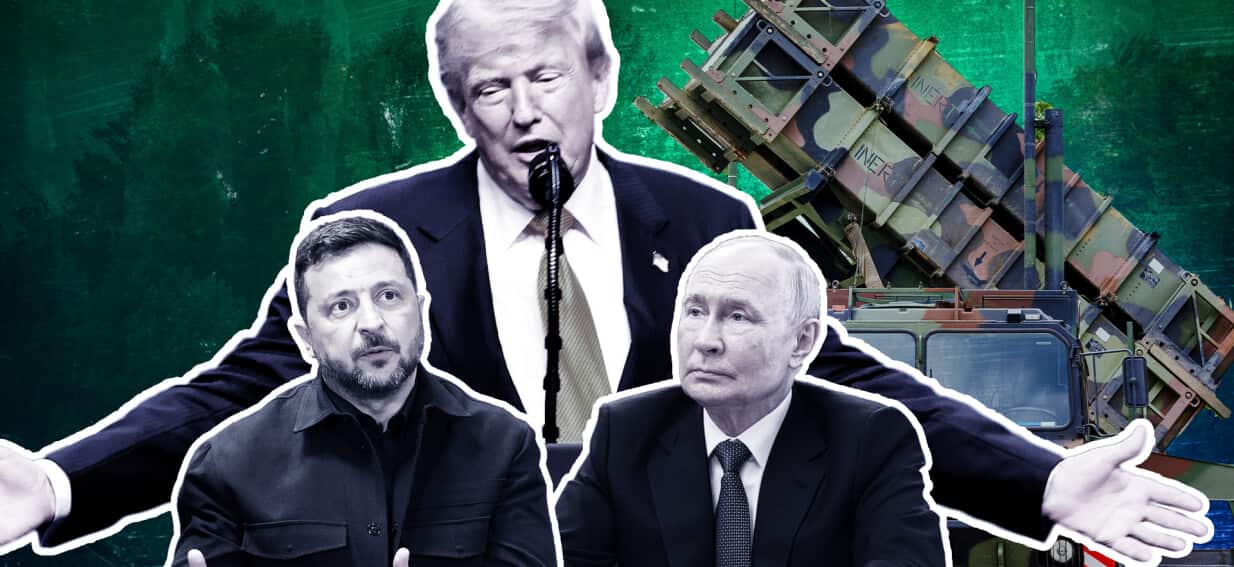
Consider the shift in the room when the discussion moved from public posturing to the immediate, grinding reality of Eastern Europe. Sitting across from Ukraine's Volodymyr Zelenskyy, the tone altered. The anger dissipated into something unexpected. Trump did not mention Greenland. He did not repeat the vitriol of the morning. Instead, he looked at the assembly and offered a rare phrase: "We want to remain with you."
In diplomacy, a sentence like that operates as a sudden thaw.
Tension broke. In an unexpected gesture, the American administration offered to license the manufacturing of Patriot air defense missiles directly to Ukraine. It was a concrete, industrial commitment wrapped in the language of transactional victory.
By afternoon, the man who had entered the forum ready to break the table was talking about a completely different reality. He described an overwhelming sentiment from the Western leaders. He spoke of unification. The final summit declaration was signed by all thirty-two members, affirming an ironclad commitment to Article 5.
The press conference that followed was a classic exercise in narrative whiplash. The deep institutional questions of North Atlantic security were largely bypassed for a sprawling commentary on domestic economic metrics, praise for Turkish President Recep Tayyip Erdoğan, and a casual declaration of digital dominance on TikTok.
Lesser states watched the performance with a mixture of relief and exhaustion. Mark Rutte quietly smiled, letting the American president claim a total rhetorical victory if it meant the alliance survived another year intact. The system held, not because the fundamental disagreements were resolved, but because the human actors inside the room found a way to change the temperature before the glass cracked.
A line was crossed, a retreat was sounded, and thirty-two leaders walked out into the Ankara afternoon, wrapped in a temporary, expensive peace.