The internet hasn't just changed how we buy shoes or order pizza. It's fundamentally rewired the narcotics trade, and law enforcement is finally catching up to the scale of the disaster. Last week, a massive operation in Hong Kong resulted in the arrest of 120 people. The most jarring statistic? Fourteen of them were minors. The youngest was only 12 years old.
When we talk about drug busts, we usually picture hardened criminals in dark alleys. We don't picture a middle schooler with a backpack full of "vape juice" that’s actually laced with etomidate. This recent month-long sting, which wrapped up on April 25, 2026, proves that the barrier to entry for the drug trade has completely vanished. If you can navigate a social media app, you can be a dealer.
The Digital Pipeline from Apps to Doorsteps
Police identified two main syndicates using social media platforms to advertise everything from cannabis buds to liquid nicotine and "space oil"—a street name for etomidate. These groups don't operate on the dark web anymore. They're on the apps your kids use every day. They use flashy graphics, "limited time" deals, and emojis to make illegal substances look like trendy consumer goods.
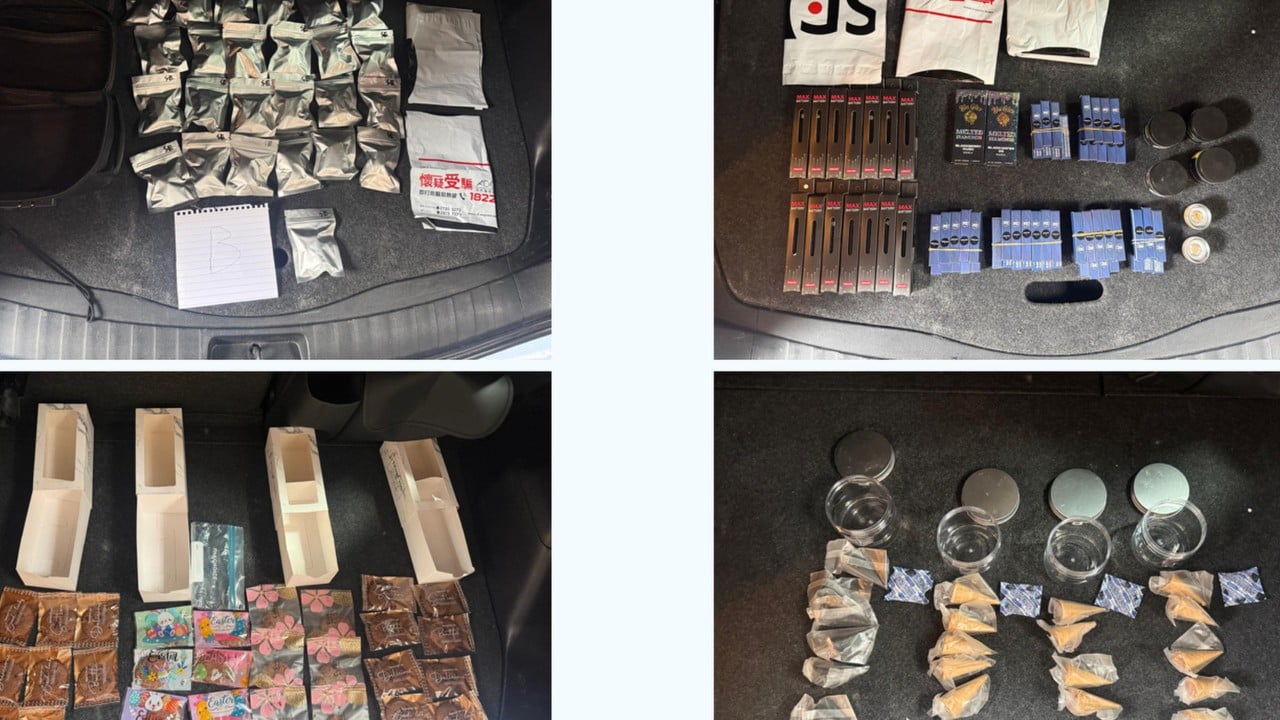
During the raids in Tsim Sha Tsui, Tseung Kwan O, and Tuen Mun, officers seized narcotics worth roughly HK$26 million (about $3.32 million). But the money isn't the story. The story is the logistics. These syndicates have turned drug trafficking into a gig economy job. They recruit teenagers to act as couriers because kids are less likely to draw police attention. Or, at least, they used to be.
Why Syndicates Love Underage Couriers
Criminal organizations are predatory by nature, but their current tactics are especially cynical. They tell 14-year-olds that they won't face "real" prison time because they're young. It's a lie. In reality, courts often hand down harsher sentences to the adults who recruit them, but the kids still end up with a criminal record that effectively ends their future before it starts.
The "job" usually looks like this:
- Picking up a "package" from a hidden locker or a nondescript storage unit.
- Traveling across the city via public transport—blending in with the student crowd.
- Dropping the goods at a pre-arranged location for a few hundred dollars.
It’s low-effort, high-risk, and the syndicates view these kids as entirely disposable.
The Rise of Etomidate and Space Oil
One of the most dangerous trends identified in this operation is the surge in etomidate-containing products. Marketed as "space oil," this is an anesthetic that can cause profound respiratory distress or death when misused.
Because it's often sold in vape cartridges, teenagers think it’s just a "heavier" version of nicotine. It isn't. It’s a pharmaceutical-grade sedative that has no business being in a vape pen. The police seized over 53 kilograms of dangerous drugs and "Part I poisons" during this bust. Much of it was disguised as everyday electronic cigarette accessories, making it nearly impossible for a casual observer to spot the danger.
The Myth of the Safe Online Buy
There's a persistent belief among young users that buying online is "safer" than meeting a dealer in person. They think the anonymity of an encrypted chat protects them. It doesn't. This operation proves that police are actively monitoring these "private" groups. Law enforcement is now using the same social media surveillance tools that brands use for marketing to track keywords, shipping patterns, and payment flows.
What Parents and Schools are Missing
If you're looking for a bag of white powder in your kid's room, you're looking for the wrong thing. Modern drug possession looks like a USB drive, a small vial of "essential oil," or a sleek metallic pen.
I’ve seen how these cases play out. Usually, the parents are completely blindsided. They think their child is just spending too much time on their phone. In reality, that phone is a 24/7 marketplace. The "worrisome" trend mentioned by Senior Inspector Chan Lik-ho isn't just about the drugs—it's about the recruitment. Syndicates use "misleading rhetoric" to make trafficking feel like a harmless side hustle.
The Legal Reality of Trafficking
Under the Dangerous Drugs Ordinance, the penalties are brutal. We're talking about a maximum of life imprisonment and fines reaching HK$5 million. While a 12-year-old isn't going to get life, the legal system is starting to lose its patience with the "I didn't know what was in the bag" defense.
The police are now targeting the "core members"—the five individuals arrested in mid-April who actually ran the storage facilities and online channels. By cutting off the heads of these digital hydras, they hope to disrupt the flow, but as long as there's a smartphone in every pocket, the "next" syndicate is always just a few clicks away.
Check your child's mail. Monitor sudden influxes of cash or expensive gadgets they can't explain. If they're "hanging out" at shipping lockers or taking odd trips across town for twenty minutes at a time, it's time to have a very uncomfortable conversation. The digital age hasn't made drugs safer; it's just made the consequences more invisible until the handcuffs click shut.
Stop thinking this is someone else's problem. When 14 minors are picked up in a single month-long sweep, it's everyone's problem. Stay vigilant or someone else will be doing the parenting for you from behind a glass partition.