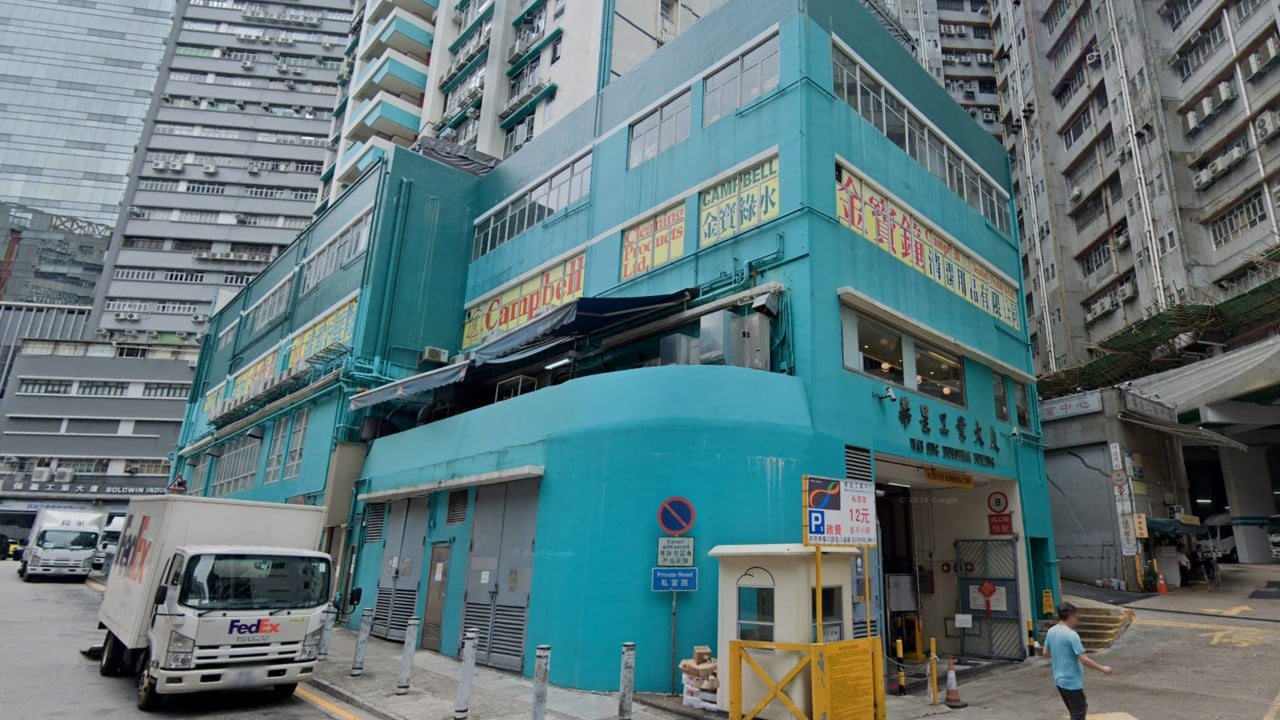
A standard midday order of satay beef noodles and a ham omelette turned into a localized biological nightmare in Kwai Chung when an office worker opened her takeaway lunchbox to find a live newborn rat wriggling through the sauce. The visual of a pink, hairless rodent navigating a bed of starch captured online algorithms with terrifying speed, forcing the Food and Environmental Hygiene Department to step in and initiate formal prosecutions against Wa Jer Restaurant. Public outrage followed a predictable script of viral disgust and vows to boycott local eateries. Yet, treating this grotesque episode as a mere isolated slip-up in hygiene misses the structural rot eating away at dense urban food service sectors.
The Industrial Ecosystem of Failure
Commercial kitchens tucked inside older multi-story industrial buildings face an uphill battle against geography. Wa Jer Restaurant, situated within the Wah Sing Industrial Building, operates within a shared architectural ecosystem where utility shafts, false ceilings, and drainage networks form a subterranean transit system for urban fauna. Meanwhile, you can explore other events here: Inside the Ceuta Border Crisis Driving Spain’s Far-Right Surge.
Rats do not respect property lines. When a building houses dozens of manufacturing units, storage spaces, and food stalls, an isolated sanitation effort amounts to sweeping back the ocean. A restaurant can mandate monthly disinfection sessions and hire reputable pest control vendors, but if the adjacent units neglect their refuse or leave loading bays unsealed, the establishment becomes a beachfront property against a rising tide.
Kitchen staff often work under immense spatial constraints. High-turnover environments prioritize speed over structural defense. When orders for satay beef must clear the counter in minutes to satisfy delivery apps and office lunch crowds, checking every crevice for nesting vermin becomes an afterthought. The structural layout of the packaging counter itself often leaves food exposed to ambient air for critical seconds before sealing. To see the full picture, we recommend the recent analysis by Al Jazeera.
The Physics of Contamination
Skeptics on local forums questioned how a living newborn creature survived the heat of a freshly cooked set meal. The restaurant owner voiced disbelief, pointing out that components like hot noodles and boiling broth make an active infestation inside a sealed container physically improbable during the cooking phase.
Food safety investigators focus instead on the staging zone. Takeaway assembly points frequently sit adjacent to drink preparation stations or storage shelves where cardboard boxes and plastic containers wait in open stacks. Neonates are tiny, blind, and desperate for warmth. A stack of pre-formed lunchboxes sitting overnight in a quiet, climate-controlled commercial kitchen offers an ideal nesting hollow.
If a mother rat builds a temporary nest inside a sleeve of inverted takeaway containers, a hurried kitchen worker packing a rush order might scoop ingredients directly over the intrusion without looking down. The animal does not need to survive the cooking pot if it entered the vessel after the food was already portioned, waiting under the lid for the container to be pried open hours later in a fluorescent-lit office.
Regulatory Theater Versus Ground Reality
Following public backlash, municipal inspectors descended upon the premises, examined pest control logs, and flagged unsatisfactory hygiene conditions in secondary areas. Punitive actions and mandatory temporary closures follow every viral exposé.
Fines and single-day shutdowns rarely cure the underlying vulnerability. Hong Kong's hyper-dense commercial leasing market forces small operators into spaces ill-equipped for modern waste management. Rent prices demand maximum volume with minimal square footage, squeezing out the physical space needed for proper food safety buffering.
Consumers demand instant, inexpensive meals delivered in disposable packaging, creating a continuous pipeline of cardboard and plastic waste that serves as both shelter and sustenance for urban pests. Until building management boards are held to the same strict statutory liability as individual food vendors regarding structural pest proofing, incidents involving unexpected fauna in takeout boxes will remain an inevitable hazard of urban convenience.
Rat seen on sushi display at Don Don Donki, Hong Kong authorities launch prosecution
This short clip illustrates a parallel retail hygiene breach involving rodents in a commercial food display, demonstrating how widespread urban pest pressures affect major businesses across the region.