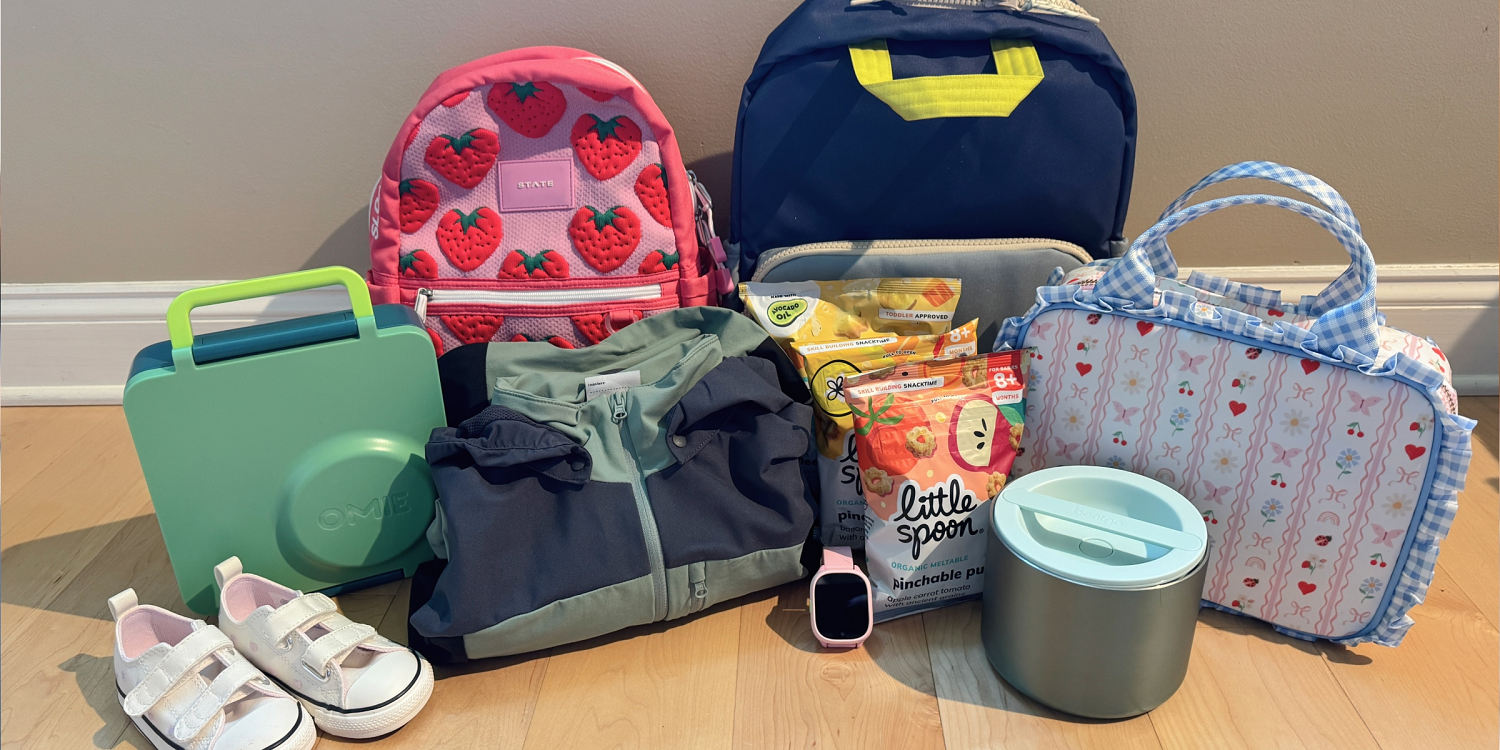
The transition from a decentralized, asynchronous home environment to a highly regulated, synchronous institutional setting represents a massive operational disruption for a child. Most consumer media frames this transition through an emotional lens, reducing preparation to a superficial checklist of character-themed backpacks and color-coded stationery. This perspective ignores the underlying mechanics of institutional entry. Preparing a child for the initial school cycle is not a retail exercise; it is an exercise in resource allocation, cognitive load management, and friction reduction.
When a five-year-old enters a classroom, they immediately encounter a new set of constraints. Physical space is shared, time is governed by rigid temporal boundaries, and attention is a scarce resource distributed among twenty peers. Navigating these constraints requires specific operational tools. Equipment selection must be evaluated not by aesthetic appeal, but by its capacity to minimize cognitive friction, maximize independent execution, and reduce administrative drag on both the child and the educator.
The Cognitive Load Theory of Self-Management Equipment
Every physical item a child brings into a classroom either adds to or subtracts from their available cognitive bandwidth. Working memory in early childhood is severely limited. If a child must expend mental energy deciphering a complex zipper mechanism, untangling a poorly designed strap, or searching for an unlabeled asset within a chaotic receptacle, that energy is diverted away from social integration and academic acquisition.
Container Architecture and Retrieval Efficiency
The primary containment unit—the backpack—functions as the child's mobile workstation. Standard consumer designs frequently prioritize external novelty over structural integrity. A properly specified transport unit requires two distinct operational features: vertical rigidity and gross-motor-optimized fasteners.
Vertical rigidity ensures that the bag maintains its shape when placed on the floor or a hook. If a bag collapses upon unzipping, the internal contents become obscured, transforming simple retrieval into a tactile search task that requires bimanual manipulation and sustained visual attention. Rigid-frame or structured-canvas backpacks allow single-handed access. The child can view the entire internal inventory instantly, keeping cognitive load near zero.
Fastener mechanics dictate the speed of transition periods. Dual-slider zippers with large, high-friction pull tabs or magnetic snap-closures eliminate the fine-motor bottleneck associated with small metal clasps or tight buttons. When twenty children are attempting to pack or unpack simultaneously, equipment that requires precise fine-motor calibration creates structural bottlenecks in the classroom workflow.
Footwear Engineering as a Behavioral Variable
Footwear is frequently selected based on durability or style, yet it directly influences physical fatigue and behavioral regulation in a structured environment. Shoes with traditional laces introduce a point of dependency or failure. If a lace unties during active physical play, the child must either interrupt an authority figure for remediation or navigate a tripping hazard.
Velcro or slip-on architecture with elastic gussets solves this vulnerability by shifting the locus of control entirely to the child. Furthermore, sole composition matters. Non-marking, high-traction rubber soles reduce minor slip events on polished linoleum floors, decreasing the somatic startle response and the subsequent behavioral reset time required after a minor physical shock. The objective is to select footwear that requires zero maintenance throughout a six-hour operational window.
Nutritional Logistics and Metabolic Stability
Energy regulation directly governs behavioral stability in early childhood. The transition to school introduces irregular metabolic demands. Physical activity spikes during recess, while sustained focus is required during desk or circle time. Managing this volatility requires a closed-loop nutritional delivery system.
Thermal Integrity and Preservation Mechanics
Packing sustenance for a full day requires evaluating the thermodynamic properties of the storage vessel. Insulated lunch systems must maintain safe internal temperatures without introducing operational complexity for the user. Soft-sided containers with integrated, non-detachable cooling gel panels eliminate the risk of lost components while ensuring food safety standards are met over a four-hour window prior to consumption.
Container partitioning dictates consumption efficiency. Multi-compartment bento-style boxes with a single, leak-proof compression lid outperform multi-container systems. Multiple independent lids create a high-friction opening process that frequently results in spills, lost lids, or abandoned food items due to frustration. A single-latch system exposes all nutritional options simultaneously, allowing the child to assess their inventory and execute consumption with minimal interruption.
Hydration Systems and Flow Control
Hydration failure leads directly to cognitive fatigue and behavioral dysregulation. However, water delivery systems in classrooms are frequent vectors for environmental disruption—specifically, spills.
Open-cup or standard threaded-cap bottles are unsuited for this environment. The optimal hydration vector utilizes a bite-valve or push-button straw mechanism housed within a vacuum-insulated stainless steel body. The valve must be completely leak-proof under inverted conditions to prevent backpack saturation. Additionally, the flow rate must be optimized; restricted valves cause frustration, while high-flow valves lead to accidental over-ingestion and subsequent biological interruptions.
Clothing as a Variable in Independent Executive Function
The garment selection process is governed by the principle of reducing adult intervention. In a classroom setting, the frequency of bathroom breaks is high, and the urgency is acute. Complex clothing configurations—such as multi-button trousers, overalls, intricate belts, or rear-zipper dresses—create severe operational risks during these intervals.
Elastic-waist garments constructed from durable, mid-weight cotton blends provide the optimal balance of comfort, durability, and operational simplicity. These garments allow a child to execute bathroom protocols independently within seconds, preserving their dignity and returning them to the group activity with minimal instructional downtime.
Layering strategies must also account for thermal variability within institutional buildings, where HVAC systems frequently fluctuate between extremes. Zip-front or snap-front cardigans and hoodies function better than pullover sweaters. A pullover requires overhead removal, which often displaces glasses, disrupts hair, or traps the child's arms in a compromised position. Front-opening layers allow immediate, controlled thermal adjustment.
Administrative Identification and Asset Recovery
Loss of personal property is an inevitable friction point in any communal environment. In a room populated by twenty identical items, visual ambiguity generates constant disputes and administrative drag for educators.
Traditional fabric name tags sewn into the interior of garments are functionally useless for rapid identification by a five-year-old. The identification system must rely on high-contrast, permanent visual markers placed on the exterior or easily accessible interior margins of every asset. Waterproof, dishwasher-safe adhesive labels for containers and direct-to-fabric iron-on or stamped identifiers for clothing provide immediate, unambiguous ownership data.
This clarity eliminates the need for adult intervention during equipment collection phases. When an item is left on a gymnasium floor or cafeteria bench, a child equipped with clear visual identification markers can execute asset recovery without teacher mediation.
Environmental Sensory Management
The sensory landscape of a modern school differs vastly from the domestic environment. High ambient noise levels, fluorescent lighting, and continuous tactile stimulation from group seating arrangements can induce sensory fatigue.
While heavy clinical interventions are reserved for diagnosed conditions, baseline environmental mitigation can be integrated into standard gear selection. Tagless garments eliminate chronic tactile irritation that manifests as restlessness or behavioral acting out. Furthermore, outfitting children with compact, durable sensory regulation tools—such as a smooth, silent pocket-sized tactile fidget integrated into the backpack zipper pull—provides an acceptable mechanism for self-soothing during transitions without drawing negative attention from educators or disrupting peer groups.
Risk Assessment and Failure Modes of Over-Preparation
A critical error in transition management is the accumulation of redundant items. Parents often attempt to insure against every hypothetical scenario by packing excessive supplies, resulting in over-encumbered backpacks that exceed safe weight ratios relative to the child's body mass.
The American Academy of Pediatrics recommends that a child's backpack should not exceed ten percent of their body weight. Exceeding this threshold alters posture, increases fatigue, and elevates the risk of musculoskeletal strain. The strategy must be ruthlessly minimalist: every item included must justify its mass and volume by demonstrating a high frequency of operational use or absolute necessity during an emergency window.
Audit the child's daily gear inventory bi-weekly. Remove items that demonstrate a utilization rate of zero over a ten-day observation period. Reallocate storage space exclusively to high-frequency operational tools that directly support autonomous execution, nutritional stability, and thermal regulation. Prioritize mechanical simplicity over aesthetic customization to ensure that the child remains the primary operator of their equipment at all times.