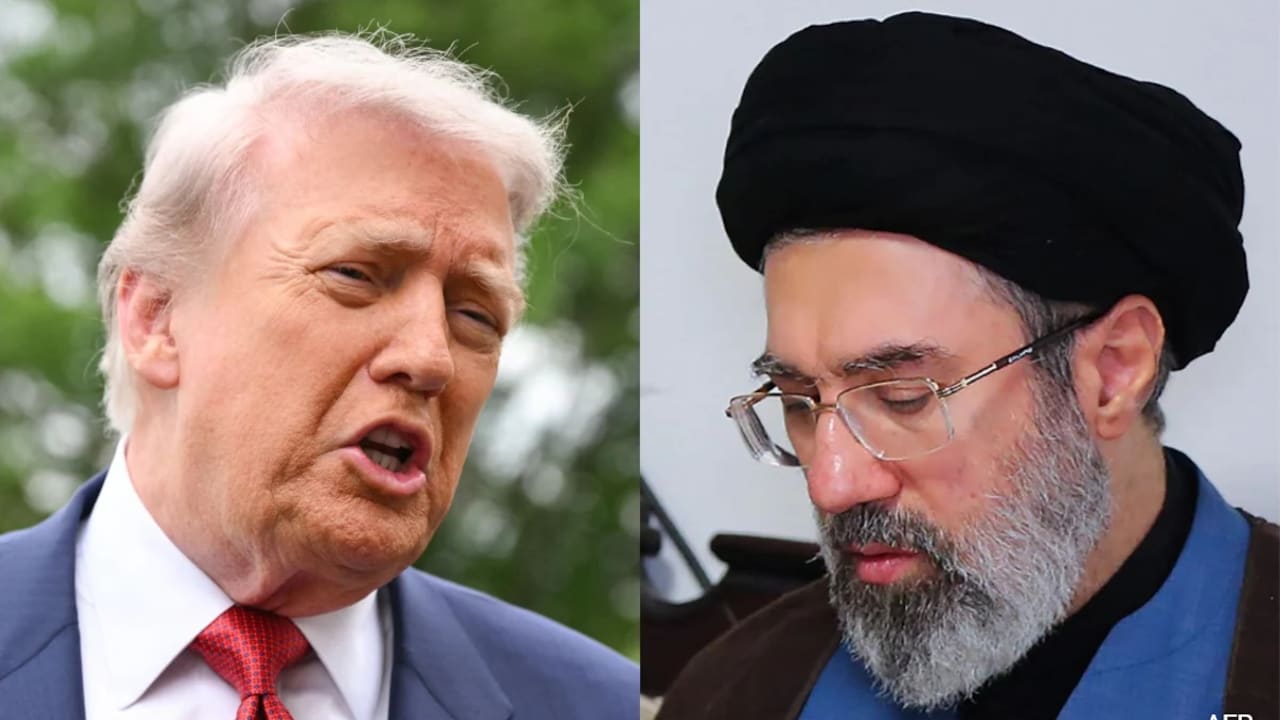
The mainstream media is treating Friday’s upcoming diplomatic gathering in Switzerland like a geopolitical resurrection. Headlines are screaming about a "historic breakthrough" between Washington and Tehran. Pundits are busy calculating the immediate drop in global oil prices. Diplomats are dusting off their finest suits for the photo-op.
They are all missing the point.
This deal is a ghost. It is a paper agreement designed to give two politically battered administrations a temporary public relations victory while doing absolutely nothing to alter the structural hostility between the two nations. I have spent two decades analyzing Middle Eastern sanctions architecture and back-channel negotiations. If there is one thing I have learned, it is that a signature in Geneva does not rewrite geography, theology, or proxy budgets.
The lazy consensus says this treaty stabilizes the region. The reality is far more cynical.
The Illusion of the Pen
The fundamental flaw in the current coverage is the belief that treaties cause stability. They do not. Treaties merely reflect a temporary equilibrium of fear.
The competitor press is hyper-focused on the specific mechanics of the text: the exact caps on uranium enrichment percentages, the precise timeline for frozen asset releases, and the verification schedules managed by the IAEA. This is bureaucratic theater.
Let’s dismantle the core premise of this deal. The agreement operates on a flawed assumption that economic normalization leads to behavioral modification. It assumes that if you release $10 billion in frozen oil revenues, Tehran will suddenly stop funding its regional network.
Imagine a scenario where a corporate board approves a massive budget increase for a subsidiary that has consistently sabotaged the parent company's goals, hoping the extra cash will make them cooperative. It is corporate suicide, yet it is hailed as masterclass diplomacy on the global stage.
The Verification Trap
Everyone is asking: "Can we trust Iran to comply?"
That is the wrong question entirely. The real question is: "Does compliance even matter when the scope of the agreement is intentionally blind?"
The treaty focuses heavily on visible nuclear infrastructure—centrifuges, heavy water facilities, stockpiles. This plays well on cable news because you can show satellite photos of concrete buildings. But modern asymmetric conflict does not happen in a silo. It happens via gray-zone operations, cyber warfare, and regional proxies that operate completely outside the text of any Swiss agreement.
- The Cyber Blindspot: The deal contains zero provisions restricting offensive cyber capabilities. A nation can technically comply with every single clause of the nuclear text while simultaneously launching devastating attacks on Western critical infrastructure.
- The Proxy Loopholes: Funding for external networks does not require complex banking routes. It thrives on illicit networks, smuggling, and cash economies that sanctions relief only supercharges by freeing up domestic capital.
- The Sunset Clause Deception: Every restriction in this document has an expiration date. It is not a solution; it is a high-priced lease on a temporary pause.
Why the Markets Are Wrong About Oil
Financial analysts are already pricing in a massive wave of Iranian crude hitting the global market, predicting a sustained bearish trend. This is a amateur miscalculation.
I have tracked the shipping manifests and dark-fleet movements in the Persian Gulf for years. Iran is already selling its oil. They have been doing it through ship-to-ship transfers, re-flagging operations, and discounted sales to East Asian buyers who ignore Western banking restrictions.
The deal does not magically unlock millions of hidden barrels; it merely legalizes oil that is already flowing through the global economy’s shadow veins. The immediate price drop we are seeing is purely psychological. Once the market realizes the physical supply volume hasn't fundamentally shifted, prices will snap right back to their structural reality.
The Unintended Consequences of Sanctions Relief
The loudest critics of the deal argue from a position of pure hawkishness, claiming that any relief is a betrayal. They are wrong too, just for different reasons.
The downside of this contrarian view—and we must be brutally honest here—is that maintaining maximum pressure forever is also a failed strategy. Sanctions have diminishing returns. Eventually, a targeted economy builds up scar tissue, creates alternative trade loops, and adapts to the pain.
However, the specific execution of this Friday deal creates a highly volatile incentive structure. By tying economic relief strictly to nuclear milestones while ignoring regional aggression, the West is implicitly telling Tehran that its non-nuclear provocations are entirely acceptable. It creates a bizarre reality where a nation is rewarded with billions in liquidity while its secondary forces continue to disrupt global shipping lanes.
Dismantling the Punditry
Let us look at what the establishment is telling you versus what is actually happening on the ground.
| The Establishment Narrative | The Ground Reality |
|---|---|
| Switzerland marks the beginning of a new era of regional integration. | The deal is a short-term tactical pause for both sides to manage domestic crises. |
| Strict IAEA oversight guarantees a weaponized program cannot be built. | Oversight is limited to declared sites; clandestine development remains a game of cat and mouse. |
| Global energy security will improve drastically. | Dark-fleet oil is already factored into global supply; the shift is strictly on paper. |
The Reality of Diplomatic Theater
Both sides need this signing ceremony for reasons that have nothing to do with long-term peace.
Washington needs a foreign policy win to show voters that diplomacy is not dead, especially after years of messy entanglements. Tehran needs immediate capital injection to calm domestic economic unrest and stabilize its currency. It is a marriage of convenience between two partners who still despise each other, signed in a neutral European city to ensure neither side looks like they blinked first.
Stop looking at Friday as a turning point. It is an intermission.
The underlying structural drivers of conflict—ideological imperative, regional dominance, deep-seated mutual distrust—remain entirely untouched by the ink dry on those Swiss documents. When the political capital of this moment is spent, and the cash reserves are distributed, the fundamental friction will return with a vengeance.
Pack up the flags. Put away the pens. Turn off the cameras. The real conflict resumes on Monday.