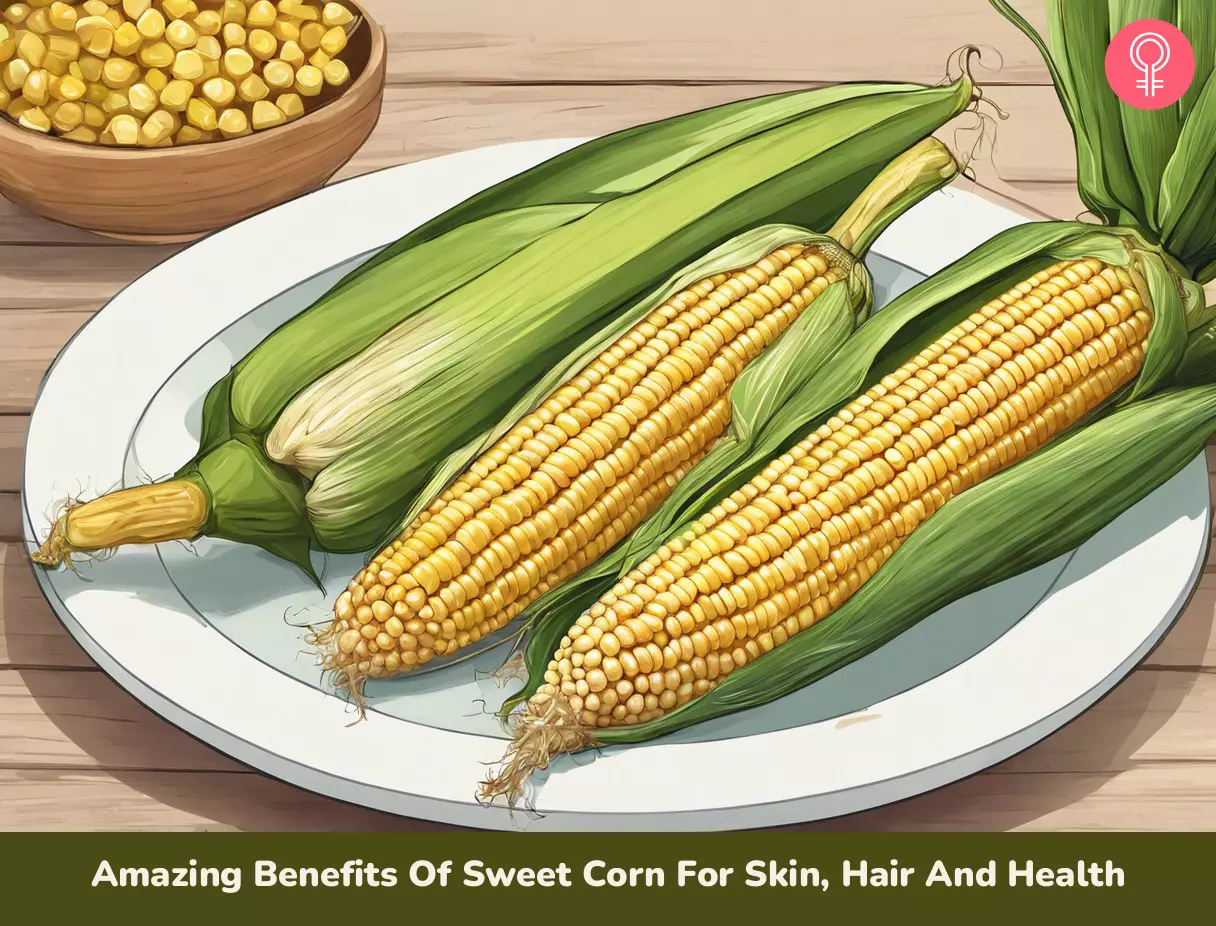
Most people treat sweetcorn like an afterthought. It sits quietly in a plastic bag in the freezer, or gets cracked open from a tin when you need a quick side dish for weeknight tacos. That is a massive mistake. You're ignoring one of the most versatile, naturally sweet, and texturally satisfying ingredients available in modern kitchens.
Forget the soggy canned kernels you grew up eating in school cafeterias. Real sweetcorn, treated with the respect it deserves, transforms meals. It brings crunch, natural sugar, and a pop of brightness that heavy starches and leafy greens just can't match. Meanwhile, you can explore related stories here: Why L.A. Book Clubs Are Obsessed With These 11 Titles.
Let's fix how you look at sweetcorn right now.
The Problem With How You Cook Sweetcorn
Let’s be honest. You probably boil your corn. Dropping ears of corn into a pot of rolling, boiling water for ten minutes is the fastest way to turn sweet, juicy kernels into yellow mush. You leach out the natural sugars, dilute the flavor, and end up needing a mountain of butter just to make it taste like something. To see the full picture, we recommend the excellent article by Refinery29.
Stop doing that.
When you boil sweetcorn, you dilute its essence. Instead, try charring it. High heat is sweetcorn's best friend. Whether you throw shucked ears directly onto a blazing hot grill or blister them in a smoking-hot cast-iron skillet with zero oil until they blacken, the dry heat caramelizes the natural sugars inside the cob. That reaction creates a smoky, sweet depth that boiling could never achieve.
I learned this years ago from a line cook who watched me drop corn into boiling water with visible disappointment. He pulled it out, threw it straight onto a flat-top grill, and changed my entire perspective on vegetables.
Fresh Versus Frozen Versus Canned
If you want the best possible flavor, timing matters. Fresh sweetcorn is a seasonal luxury. During peak summer months, buying ears with tight, green husks and golden silk gives you maximum sweetness because the sugars haven't converted to starch yet.
Once picked, corn starts converting its sugar into starch almost immediately. That is why grocery store corn in January often tastes mealy and flat.
If it isn't peak season, skip the fresh stuff entirely. Frozen sweetcorn is actually superior to off-season fresh corn. It's flash-frozen hours after harvest, locking in the peak flavor profile. Canned corn, on the other hand, usually swims in a bath of salty liquid and preservatives that dulls its natural brightness. If you must use canned, rinse it thoroughly, but honestly, just keep a bag of organic frozen kernels in your freezer instead.
How to Build Better Flavors With Sweetcorn
Sweetcorn pairs naturally with ingredients that provide contrast. Because it's sweet, it begs for acid, salt, and heat.
- Lime juice and chili powder: Acid cuts through the natural starchiness while chili adds a sharp kick.
- Aged cheeses: Cotija, parmesan, or sharp cheddar ground the sweetness with heavy umami notes.
- Fresh herbs: Cilantro, basil, or chives cut through the density of the kernels.
Try making a quick skillet hash. Toss frozen or freshly cut kernels into a hot pan with a splash of oil. Let them sit undisturbed for a few minutes so they char. Toss in diced red onion, minced jalapeño, a heavy pinch of salt, and finish with a squeeze of fresh lime juice and crumbled cheese. It takes less than ten minutes and punches way above its weight class.
Sweetcorn Myths You Should Ignore
People worry too much about the nutritional profile of sweetcorn. You hear claims that it is basically candy disguised as a vegetable because of the sugar content. That is nonsense.
A single medium ear of sweetcorn contains around 80 to 90 calories and provides a solid dose of dietary fiber, vitamin C, and antioxidants like lutein and zeaxanthin, which support eye health. It is a whole food loaded with nutrients. You aren't doing your body any harm by eating it regularly.
Another myth is that you need to add sugar to the cooking water if you're boiling fresh corn. If your corn is fresh, it doesn't need extra sugar. If your corn is old, sugar won't save it anyway. Fix the cooking method instead of masking poor ingredients with more sweeteners.
What to Do Next
Grab a bag of frozen sweetcorn or a few fresh ears today. Ditch the boiling pot. Fire up your skillet, get it screaming hot, and let the kernels char until they smell nutty and sweet. Toss them into your next grain bowl, mix them into a quick salsa, or eat them straight out of the pan with a little butter and hot sauce. Treat sweetcorn like a main event, and your cooking will instantly improve.