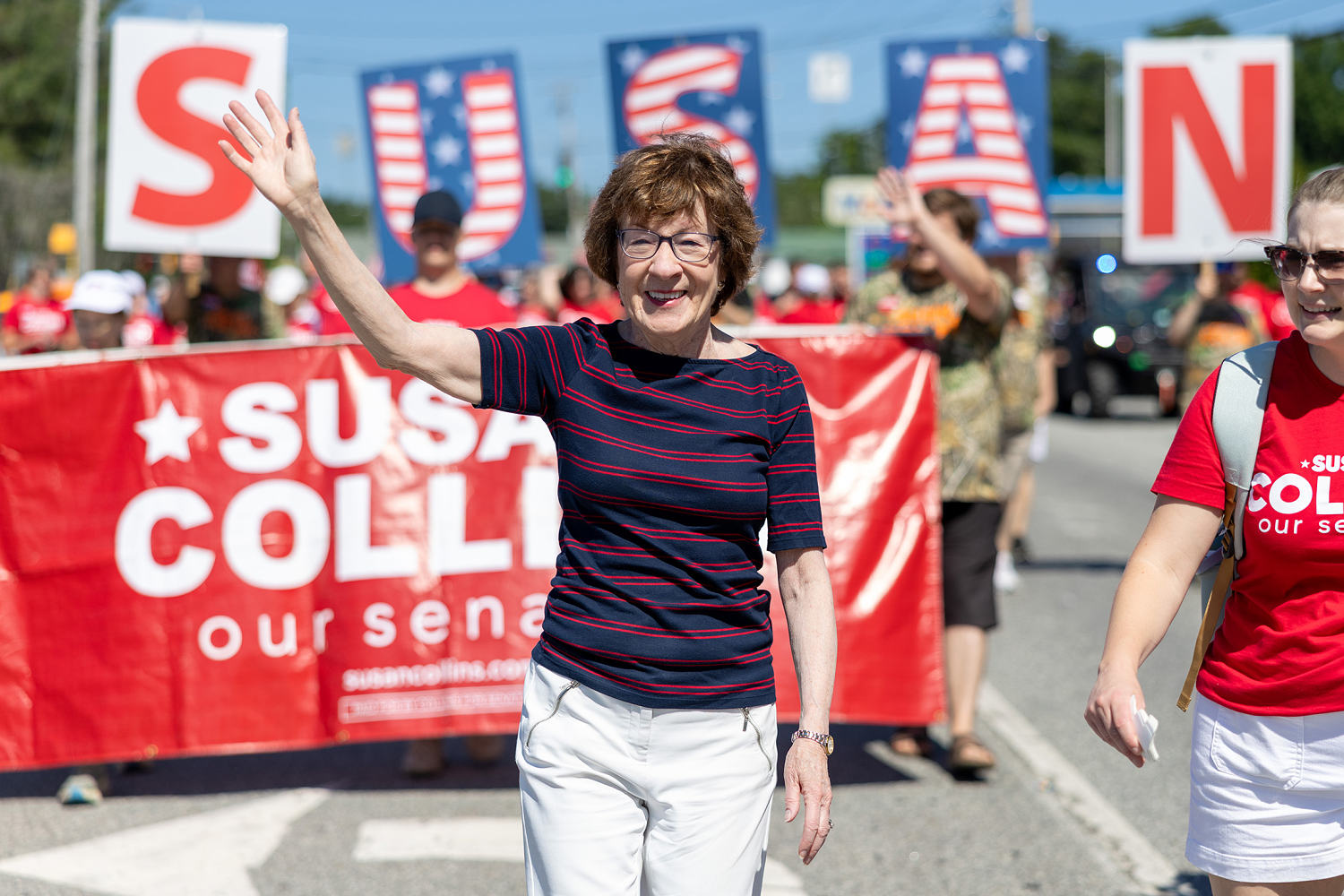
Political gravity has a funny way of missing one specific address in Maine. Senator Susan Collins faces another brutal election cycle, and political analysts are once again asking if her luck has finally run out. They ask this every single time. Then election night rolls around, and she outperforms expectations.
If you look at the math, her survival isn't magic. It's a calculated mix of local retail politics, seniority power, and a brand carefully built over decades. Critics love to write her political obituary. Voters in Maine often have a different script entirely.
The Anatomy of a Perennial Target
For years, national Democrats have viewed Maine as prime real estate for a flip. When Collins votes for controversial judicial nominees or navigates national party fractures, the blowback is fierce. Millions flow into the state from outside donors hoping to unseat her.
Yet, treating her like a standard Republican senator misses how Maine voters perceive her. She spends decades attending local town events, showing up at high school graduations, and responding to constituent mail. That kind of localized sweat equity buys immense political capital. When an outside super PAC drops millions on TV ads trying to paint her as an out-of-touch partisan, rural voters who know her personally just tune it out.
Seniority Versus Nationalized Waves
National political strategy relies on turning every local race into a referendum on the sitting president or national party leadership. It worked in many places. In Maine, it crashes against the reality of committee assignments and federal funding.
As a senior member and former chair on powerful committees like Appropriations, Collins routinely funnels federal dollars back home. Her campaign leans heavily on that pragmatic record. Voters ask a simple question in the voting booth: Is this person delivering for our state? Right or wrong, a significant portion of independents and moderate Democrats answer yes. They separate the national noise from the local service.
The Challengers and the Changing Map
The political terrain shifts constantly. Maine Democrats turned to state lawmaker Troy Jackson as their nominee after an earlier primary shakeup. The strategy centers on tying Collins directly to national flashpoints like abortion access and economic pressures.
Opponents argue her moderate reputation is a shield for conservative policies. They point to high-stakes legislative votes as proof that she marches with her party when it counts. That argument resonates deeply with progressive bases.
Still, winning statewide in Maine requires pulling a massive slice of independent voters who split their tickets without blinking. Those voters don't care about national party purity tests. They care about who answers their phone calls.
Watch how both campaigns spend their final months. If the race stays hyper-focused on nationalized culture wars, the challenger has a clear opening. If Collins successfully drags the debate back to local infrastructure, federal project funding, and constituent casework, gravity won't pull her down just yet.
Maine picks new Senate nominee with fewer than 100 days until the midterms
This news report provides context on Maine's shifting Democratic nominee landscape heading into the final stretch of the election cycle.
http://googleusercontent.com/youtube_content/1