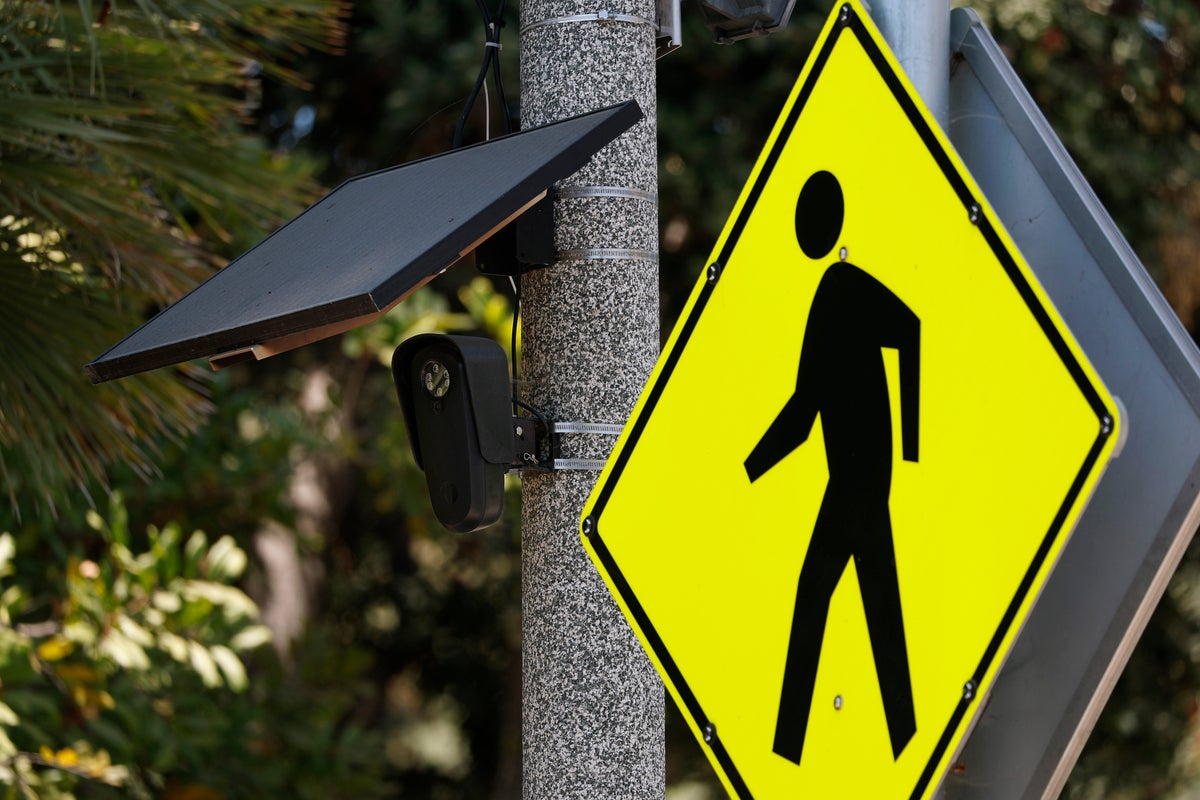
Across the United States, a quiet rebellion is brewing in town halls and city council meetings. Local governments that once rushed to install Flock Safety automated license plate reader cameras are now hitting the brakes. From Missouri to California, officials are canceling contracts, pulling permits, and questioning the premise that mass surveillance of public roadways is a prerequisite for safety.
The friction is not just about cost. It is about a fundamental shift in how residents view the privacy of their daily movements. When Flock Safety entered the market, the pitch was simple: connect the dots on criminal activity by capturing every passing vehicle. Now, that promise is being scrutinized against the reality of data aggregation and the long-term implications of permanent, searchable databases of citizen location history.
As municipal leaders begin to push back, the company has found itself in an unusual position. Its media representatives have become noticeably quieter, opting out of interviews and declining to address specific inquiries about contract cancellations. This silence speaks volumes. It marks a transition from a period of rapid, unchecked growth to a phase where the vendor must defend its utility against a growing chorus of skeptics.
The Cost of Ubiquitous Monitoring
At the core of the friction is the economic model. Flock relies on a subscription-based service, turning the infrastructure of policing into a recurring monthly bill. For a small municipality, this might look manageable for a single quarter. Over five years, the cumulative expense becomes a significant line item, competing with budgets for parks, education, and road maintenance.
When a town faces a budget shortfall, the utility of a camera system becomes a primary target for audit. Critics often point out that while these systems can aid in investigations, they do not necessarily prevent crime. A camera records an event; it does not stop the engine from starting or the hand from reaching for a weapon. This distinction is critical. If a town spends tens of thousands of dollars on hardware and software but fails to see a measurable reduction in violent incidents, the public begins to wonder where that money could have been spent more effectively.
Furthermore, the data itself is a liability. Storing images of every license plate that passes through a town creates a honey pot for hackers and a tempting target for overzealous investigators. The sheer volume of data collected is difficult to manage and even harder to protect. Every breach, every unauthorized search by a bored officer, and every mistake in the system’s matching algorithm undermines the public trust that local police need to function.
Privacy and the Normalization of Tracking
For decades, the standard for police surveillance was centered on suspicion. You did not track someone unless you had a reason to believe they were involved in a crime. Flock Safety and similar firms have inverted this. They operate on a model of total awareness. By scanning everyone, they hope to catch the few.
This shift has profound consequences for the social contract. Residents are beginning to ask uncomfortable questions about who owns their movement data and how long it persists. When a camera captures a plate, a vehicle description, and even a partial image of the occupants, it creates a digital breadcrumb trail. If that data is shared across jurisdictions—a core feature of the Flock network—a single local purchase creates a regional surveillance grid.
Many small towns that initially signed up did so without significant public debate. The decision was often fast-tracked by police departments under the guise of officer efficiency. Today, those same towns are experiencing pushback from civil liberties advocates and citizens who were never asked if they wanted to live in a virtual checkpoint. The result is a series of public hearings where the burden of proof has shifted. The burden is no longer on the citizen to prove why they need privacy; it is on the company and the police department to justify why they need to track everyone.
The Silence from the Provider
When a technology firm hits a roadblock, the standard response is engagement. Press releases, white papers, and expert testimonies are usually deployed to quell fears. The fact that the company has retreated from responding to questions suggests a internal pivot. Perhaps they are realizing that the old sales tactics—cold-calling police chiefs and offering free trial periods—no longer yield the results they once did.
The silence also suggests a lack of appetite for a public fight over the fundamental philosophy of mass surveillance. If they engage directly, they risk giving oxygen to the very arguments they want to neutralize. By retreating, they hope the current wave of cancellations is merely a localized trend that will eventually exhaust itself.
Yet, this ignores the nature of municipal governance. News travels fast between city managers and town councils. If a neighboring town cancels their contract citing privacy concerns or lack of return on investment, the next town over will inevitably ask the same questions. The model is viral in its adoption, but it is proving to be equally viral in its rejection.
Evaluating the Operational Reality
Police departments often cite the clearance of cold cases and the recovery of stolen vehicles as the primary justification for these systems. These are undeniable benefits. If a camera system helps reunite an owner with their stolen car, that is a success by any standard. However, this is where the industry and the public collide.
Industry proponents emphasize the hit rate: "We solved X number of crimes this year." This is a quantitative measure that looks good in a presentation. Opponents look at the qualitative cost: "How much privacy did we surrender to get those results, and what is the potential for abuse?"
Consider a hypothetical town of 15,000 people. If they install twenty cameras, they are essentially creating a perimeter that tracks every person coming to work, visiting family, or heading to the pharmacy. If a warrant is issued for a suspect, the database can retroactively place them at the scene. This is a powerful tool for law enforcement. But it is also a powerful tool for anyone who gains access to that database. The potential for systemic misuse—tracking activists, political rivals, or even personal targets—is not a conspiracy theory; it is a documented risk of any centralized tracking system.
As the industry matures, it must account for this reality. Providing a tool that is technologically impressive but socially corrosive is a path to obsolescence. Communities are not just looking at the performance of the software; they are looking at the moral cost of the deployment. They are realizing that convenience in law enforcement is not the same thing as security for the public.
The Future of Local Surveillance
The current wave of cancellations is unlikely to be a total collapse of the industry, but it marks the end of the honeymoon phase. Moving forward, the relationship between technology providers and municipalities will be governed by tighter regulations and more stringent data-sharing agreements.
Towns that remain committed to such systems will likely move toward more transparent, restricted models. This could include strict data purging schedules, independent audits of search logs, and public transparency reports that detail exactly why and how the systems are used. If a police department wants to maintain a surveillance network, they will have to be prepared to demonstrate that the privacy trade-off is balanced by a clear, undeniable public benefit that cannot be achieved through less invasive means.
We are seeing a maturation of the market. The early, frantic adoption is giving way to a more skeptical, deliberate process. The towns that have decided to "pull the plug" are not necessarily anti-technology. They are pro-governance. They are asserting that the infrastructure of their streets should serve the citizens, not the other way around.
The question remains whether the industry will adapt to this new reality or continue to wait out the storm. One thing is certain: the era of installing high-tech cameras in the shadows is coming to an end. The lights are being turned on, and the public is paying close attention to what they see in the reflection. Decisions made in the dark are now being brought into the harsh, clear light of public oversight. That is where the real work begins.
.jpg?itok=SRbAAThA)