The reconfiguration of geopolitical architecture in the Eastern Mediterranean hinges on administrative control of critical sovereign infrastructure. Following eighteen months of bilateral negotiations between Damascus and Moscow, a formalized memorandum of understanding alters the legal and operational status of Russian military installations at the Hmeimim air base and the Tartus naval facility. Rather than maintaining exclusive sovereign base rights secured under the prior administration of Bashar al-Assad, Russian forces are transferring civilian-designated infrastructure back to Syrian civil authorities while transitioning military zones into joint training frameworks. This shift establishes a distinct administrative boundary between commercial operations and military utility, altering force projection dynamics across the Levantine basin.
The Dual-Asset Framework of Coastal Control
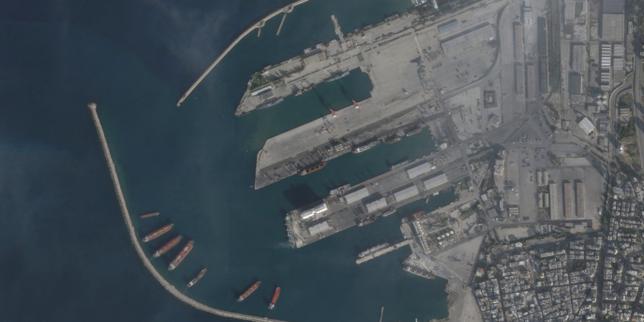
Control over the Syrian coastline depends on two physical nodes: the Hmeimim air facility near Latakia and the maritime logistics hub at Tartus. Under the terms of the new agreement, the operational parameters governing these locations divide along functional lines.
- Civilian Resumption: The Syrian civil administration assumes direct authority over non-military infrastructure, including specific commercial berths within the port of Tartus and the operational management of the adjacent civilian airport facilities.
- Military Redesignation: Dedicated military areas within both sites lose their exclusive sovereign designation, converting instead into joint training centers governed by a three-month implementation deadline.
This functional separation dismantles the extraterritorial autonomy previously enjoyed by the Russian armed forces. By transferring civil aviation and commercial port management to Damascus, the new government eliminates the administrative choke points that previously allowed foreign military priorities to supersede domestic economic administration.
The Mechanics of Strategic Contraction
The structural degradation of Russia's Mediterranean footprint follows a predictable operational timeline dictated by political volatility. When the Assad government collapsed, Russian military logistics experienced an immediate contraction, pulling back from more than twenty auxiliary outposts, observation posts, and forward operating bases across northern and eastern Syria. The strategic imperative narrowed exclusively to preserving access to the warm-water ports and air corridors of the littoral.
The conversion of Tartus and Hmeimim into joint training facilities introduces a bureaucratic friction coefficient that alters how Moscow projects power. Operating under a joint framework limits unilateral military deployments, intelligence-gathering sorties, and logistical staging operations directed toward secondary theaters such as North Africa. The restriction of movement outside base perimeters, which began immediately following the transition of power in late 2024, is now institutionalized through legal mechanisms that prioritize Syrian oversight.
Economic Sovereignty versus Strategic Rent
The financial dimension of the new agreement corrects an asymmetry inherent in past bilateral arrangements. Historical concessions, such as multi-decade zero-cost leases granted to foreign commercial entities, deprived the Syrian state of primary maritime revenues. Reclaiming civilian berths at Tartus redirects commercial shipping tariffs and logistics revenues back into the national treasury.
For Moscow, retaining a diminished presence via a training construct functions as a diplomatic compromise. Total eviction would eliminate Russia's final permanent military foothold outside the post-Soviet landmass. Conversely, accepting joint status preserves a baseline intelligence and diplomatic channel into the Middle East while acknowledging that local authorities hold the legal title to the land.
Operational Implementation and Institutional Deadlines
The transition protocol specifies a strict ninety-day execution window to complete the administrative handover of civilian zones and formally establish the joint training administration. Civil aviation authorities have already initiated technical evaluations for the rehabilitation of infrastructure previously restricted to military or allied transport.
The success of this transition depends on the enforcement capacity of the interim government in Damascus. As external diplomatic ties expand to include Western nations and regional Arab states that previously isolated the regime, the operational latitude of foreign military forces on domestic soil remains subject to continuous regulatory tightening.
Audit the operational compliance of joint administrative personnel at Hmeimim and Tartus at the 90-day threshold to measure actual versus stipulated access limitations.
:max_bytes(150000):strip_icc()/ar-American-Cheese-taste-test-horizon-4x3-54cc339550cd44b9a818c17bdfd5428d.jpg)