The surge of cyclosporiasis infections across more than 30 states represents a systemic breakdown in the agricultural supply chain rather than a localized food handling failure. As confirmed cases surpass historical benchmarks established in 2019, epidemiological traceback data points to a single point of failure: shredded iceberg lettuce sourced from processing facilities in central Mexico. Understanding this crisis requires an analysis of the biological vectors, industrial processing practices, and supply chain vulnerabilities that allow a microscopic pathogen to compromise large-scale commercial food distribution.
The Biological Vector: Cyclospora Cayetanensis Mechanics
Traditional food safety interventions are built primarily to combat bacterial pathogens such as Salmonella or Escherichia coli. Treating a parasitic outbreak requires an entirely distinct biological framework. Cyclospora cayetanensis is a microscopic, obligate intracellular protozoan that exclusively infects humans.
The transmission vector depends on the excretion of unsporulated (non-infectious) oocysts in human feces. These oocysts require days to weeks in specific environmental conditions outside the host to sporulate and become infectious. This biological latency introduces a lag phase between the initial environmental contamination event and the subsequent public health signal. Direct person-to-person transmission is virtually non-existent due to this required incubation period in the environment.
Contamination occurs when agricultural infrastructure relies on feces-contaminated irrigation water or when field workers lack adequate sanitary facilities. Once the sporulated oocysts are introduced to leafy greens, their physical structure presents an engineering challenge for standard sanitization protocols.
The Industrial Processing Vulnerability
The transition from whole-head agricultural products to pre-washed, shredded lettuce kits creates a massive amplification mechanism for pathogens. The industrial processing of leafy greens involves three distinct phases that accidentally facilitate widespread contamination:
- Mechanical Shredding: The physical act of shredding lettuce increases the exposed surface area of the tissue. Cellular sap released during cutting provides nutrients that can stabilize pathogens, while the physical texturing creates micro-crevices where oocysts can adhere.
- Commingling: Large-scale processors aggregate produce from multiple farms into centralized washing flumes. If a single batch of lettuce from an infected plot enters the flume, the water volume acts as a distribution vehicle, cross-contaminating thousands of pounds of otherwise clean produce.
- Disinfection Limitations: Cyclospora oocysts possess a highly resilient, multi-layered cell wall. Standard chlorine-based sanitizers used in commercial wash water are highly effective against vegetative bacteria but fail to deactivate or reliably remove Cyclospora oocysts. The chemical resistance of the parasite means that commercial washing serves primarily to distribute the pathogen across a wider batch volume rather than sterilizing it.
This process transforms a localized agricultural contamination event into a distributed logistical hazard.
Traceback Impediments and Logistics Bottlenecks
The rapid containment of a foodborne outbreak relies on supply chain visibility. However, the commercial distribution network for leafy greens contains structural bottlenecks that delay regulatory action.
When an individual ingests contaminated lettuce, the incubation period lasts between two days and two weeks. Following symptom onset, diagnosing cyclosporiasis requires specialized diagnostic testing; routine stool cultures often omit the specific acid-fast staining or polymerase chain reaction assays needed to identify Cyclospora. This introduces a significant telemetry delay between ingestion and data logging by public health authorities.
By the time public health agencies detect an infection cluster, weeks have passed. In the intervening period, the highly perishable product has completed its lifecycle: it has been shipped, sold, consumed, or discarded. Traceback investigators must work backward through proprietary distribution records, clearing house manifests, and broker logs to find the point of convergence.
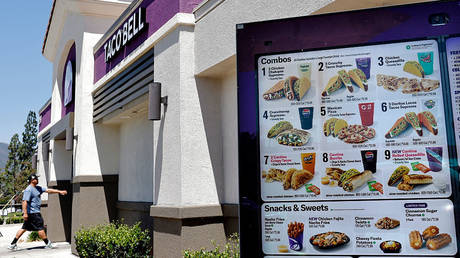
In this instance, convergence pointed to a major processor, Taylor Farms de Mexico, which supplied shredded iceberg lettuce to commercial fast-food chains and major retail brands across 27 states. The scale of distribution explains why regions with no direct geographic connection to the agricultural source experience simultaneous infection spikes.
Operational Interventions and Risk Mitigation
Given the resistance of Cyclospora to standard chemical washing, mitigating risk requires structural changes at the consumer, commercial food service, and agricultural levels.
Thermal Deactivation
The most definitive method to eliminate Cyclospora risk is thermal processing. The parasite cannot survive exposure to elevated temperatures. Cooking produce to a internal temperature of at least 158°F (70°C) deactivates the oocysts completely. However, this intervention is structurally incompatible with products designed for raw consumption, such as iceberg lettuce salads or taco toppings.
Agricultural Source Isolation
Because post-harvest washing cannot guarantee the removal of Cyclospora, prevention must occur at the farm gate. Producers must enforce strict microbiological testing of irrigation water and implement rigorous sanitary controls for field personnel. When targeted import surveillance detects a positive sample, immediate exclusion of the entire agricultural region from the supply chain is necessary to prevent market penetration.
Supply Chain Decoupling for Consumers
During an active outbreak where the specific retail brand codes remain ambiguous, structural decoupling from pre-processed greens reduces exposure probability. Utilizing whole heads of lettuce instead of pre-shredded bags allows consumers to mechanically discard the outer layers—which face the highest exposure to environmental contamination—and manually wash the internal leaves. While washing does not guarantee total eradication due to the adhesive properties of the oocyst wall, it significantly reduces the pathogen load compared to commingled, pre-shredded kits.
The ultimate resolution of the current outbreak depends on the velocity of the voluntary extraction of all central Mexican iceberg lettuce from the domestic supply chain. Until inventory turns over completely, the long incubation period ensures that confirmed case counts will continue to register upward trends across the national public health network. Strategic focus must shift from reactive consumer warnings to the mandatory implementation of advanced filtration and physical separation technologies within industrial wash flumes.