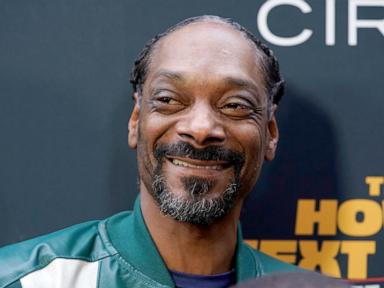
The announcement that Snoop Dogg will anchor the 2026 MTV Video Music Awards at the Peacock Theater on September 27 represents far more than a standard celebrity casting choice. It marks a structural break in a nine-year geographic concentration of the broadcast on the East Coast, exposing underlying shifts in how legacy award shows attempt to solve audience fragmentation, geographic distribution, and cross-platform monetization. By analyzing the mechanics of this relocation, we can isolate the operational logic driving modern live-event television strategy.
The Geographic Arbitrage of Live Broadcasting
For nearly a decade, the VMAs remained anchored primarily within the New York and New Jersey corridor. This pattern minimized logistical friction for East Coast production teams, centralized music-label executive attendance, and aligned with traditional broadcast windows. However, prolonged geographic clustering incurs diminishing returns on local market engagement and cultural resonance. You might also find this related story insightful: Why South Park Rebranding to South America is Peak Satire.
The decision to relocate the broadcast to Los Angeles alters the underlying cost function of the production in three distinct ways:
- Timezone Synchronization and Viewer Decay: Airing live at 4:30 p.m. local Pacific time (7:30 p.m. Eastern) compresses the red-carpet arrival window directly into the peak evening commute corridor for the West Coast, changing how local media syndication captures early-tail engagement.
- Talent Proximity and Supply Constraints: Los Angeles functions as the primary operational node for domestic pop and hip-hop talent. Minimizing transit requirements for West Coast-based performers reduces pre-show drop-out risk and lowers private transport expenditures.
- Ecosystem Synergy: Staging the event at the Peacock Theater integrates the broadcast directly into the L.A. Live entertainment district, providing immediate physical infrastructure for brand activations that temporary pop-up sites cannot support.
Host Architecture as a Risk-Mitigation Strategy
Selecting Snoop Dogg is an exercise in cultural hedging. Modern awards broadcasts face persistent ratings erosion driven by fragmented media consumption and generational alienation from linear TV formats. A traditional comedian-host model often exacerbates this vulnerability by relying on scripted monologues that fail to generate secondary social traction. As reported in recent articles by Variety, the results are widespread.
Snoop Dogg functions differently within the broadcasting framework. He operates as an institutional brand with a career spanning over three decades, bridging multiple consumer cohorts from his 1994 main-stage debut to his recent global visibility at cultural events like the Paris Olympics.
This multi-generational equity addresses two major production bottlenecks:
- Cross-Platform Clip Economy: Award shows survive on short-form vertical video distribution post-broadcast. A host with high improvisational fluency and multi-demographic appeal increases the probability of organic, unscripted moments translating into TikTok and Instagram engagement loops.
- Nominee-Host Alignment: With a competitive nomination slate featuring legacy acts like Madonna alongside contemporary heavyweights like Taylor Swift, Ariana Grande, and Sabrina Carpenter, the host must act as a neutral anchor who commands universal respect across genre lines. Snoop Dogg's career collaborations—spanning Dr. Dre, Eminem, and modern pop icons—provide structural legitimacy across disparate musical factions.
The Distribution Matrix and Revenue Architecture
The distribution blueprint for the September 27 telecast relies on a hybrid model that bypasses traditional cable exclusivity in favor of simultaneous multi-channel saturation. Broadcasting live across CBS, an MTV simulcast, and the Paramount+ Premium streaming layer exposes structural realities about modern media monetization.
Linear broadcast networks provide the broad-reach demographic baseline required to command high upfront advertising rates, while the Paramount+ integration captures cord-cutters and high-intent streaming audiences who demand on-demand interactivity. This tripartite delivery model mitigates the risk of total linear audience decline by converting a single live event into a multi-tiered data capture mechanism for the parent conglomerate.
The inclusion of the Video Vanguard Award presentation to Nirvana further anchors the broadcast's historical weight, driving nostalgic tune-in value that counterbalances the contemporary nominee pool. This dual-track programming strategy—pairing historical institutional validation with current chart-topping nominees—stabilizes the Nielsen and streaming analytics against sudden tune-out behavior.
Execute the broadcast production pipeline with redundant technical fail-safes for the multi-network simulcast, ensuring zero latency variance between the CBS linear feed and the Paramount+ digital stream to protect real-time social media synchronization.