The shift in United States foreign policy toward a transactional, bilateral-first model necessitates a re-evaluation of the Indo-US relationship through the lens of objective utility rather than shared democratic values. While traditional diplomacy emphasizes "keeping India in the loop," a data-driven analysis suggests that the relationship is actually governed by a complex intersection of three specific variables: the containment cost of China, the elasticity of Indian trade tariffs, and the synchronization of defense industrial ecosystems. To navigate this period, policy must move beyond the rhetoric of friendship and toward the quantification of mutual strategic interests.
The Triad of Indo-US Strategic Interdependence
The current geopolitical friction can be categorized into three distinct pillars that dictate the velocity of cooperation between Washington and New Delhi. These pillars operate independently but are linked by the overarching "Trump Doctrine" of deficit reduction and burden-sharing.
1. The Geopolitical Arbitrage of the Indo-Pacific
India serves as the primary regional counterweight to Chinese maritime and terrestrial expansion. From a US perspective, the value of India is not merely its geographic position but its ability to absorb Chinese strategic focus, thereby reducing the direct military expenditure required by the US in the theater.
- The Power Projection Ratio: For every dollar India invests in its northern border and the Indian Ocean Region (IOR), the US achieves a non-linear reduction in the necessity for permanent carrier strike group presence in those specific sectors.
- Intelligence Asymmetry: India’s proximity to the Himalayan frontier and the Malacca Strait provides granular human and signals intelligence that the US cannot easily replicate via satellite or high-altitude assets alone.
2. Trade Reciprocity and the Tariff Equilibrium
The primary friction point remains the "America First" economic framework. India’s historical protectionism, particularly in the agricultural and automotive sectors, conflicts directly with the US goal of reducing its trade deficit.
The relationship is currently defined by a Trade Elasticity Gap. When the US threatens Section 232 or 301 investigations, India often responds with retaliatory tariffs rather than systemic market liberalization. A sustainable strategy requires shifting from a "tit-for-tat" tariff model to a "Sectoral Carve-out" model where high-tech transfers are decoupled from dairy or Harley-Davidson disputes.
3. The Defense-Industrial Integration (iCET)
The Initiative on Critical and Emerging Technology (iCET) represents the most significant shift from a buyer-seller relationship to a co-development partnership. The transfer of GE F414 jet engine technology is the benchmark for this evolution.
- Technology Sovereignty: India seeks to end its reliance on Russian hardware (the S-400 legacy issue) by integrating US sub-systems into indigenous platforms.
- Supply Chain De-risking: The US views India as a "China + 1" manufacturing hub for semiconductors and telecommunications (6G), reducing the systemic risk of a Taiwan Strait blockade.
Analyzing the "Loop" Mechanism: Communication vs. Coordination
The phrase "keeping India in the loop" is a simplification of a sophisticated feedback system. Under the second Trump administration, this "loop" functions as a high-frequency consultation mechanism designed to prevent strategic surprises that could destabilize global markets or trigger unintended military escalations.
The Feedback Bottleneck
Coordination often stalls due to differing definitions of "strategic autonomy." While the US views alignment as a binary choice, India views it as a multi-aligned spectrum. This creates a bottleneck in the following areas:
- Russian Hydrocarbons: India’s continued purchase of Russian crude oil complicates the US sanctions regime. The US allows this under a "price cap" logic to prevent a global supply shock, but it remains a point of latent political tension.
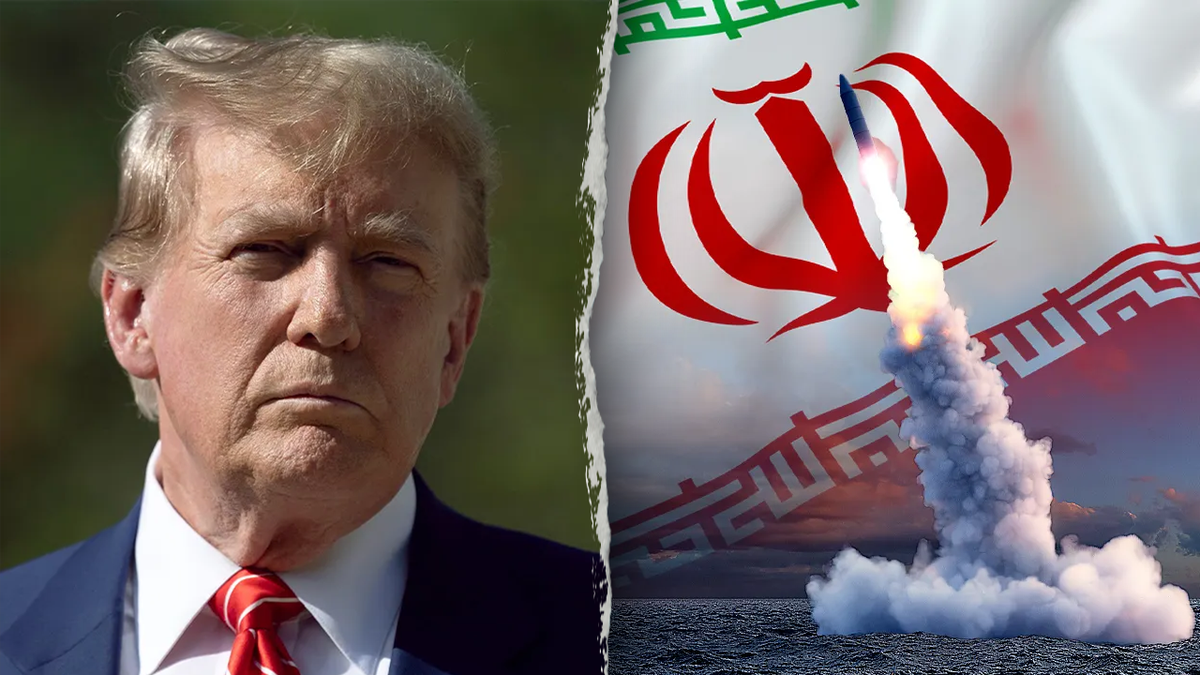
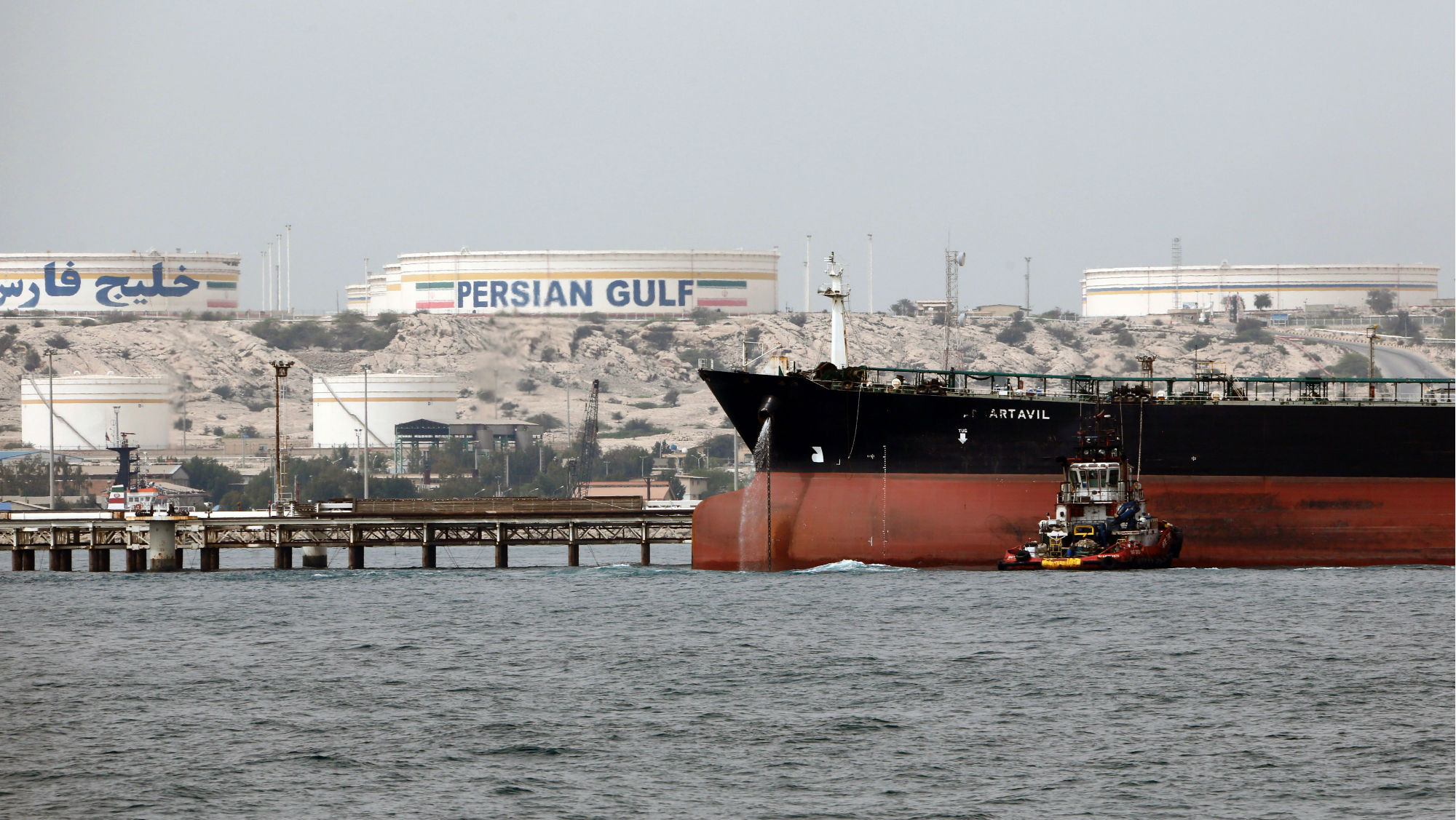
- Iran and the Middle East: The development of the Chabahar port is an Indian strategic necessity for accessing Central Asia, bypassing Pakistan. The US must balance its maximum pressure campaign on Tehran with India’s need for an alternative trade corridor.
The Cost Function of Non-Alignment
If India fails to synchronize its regulatory environment with US expectations, the cost is not a total breakdown of relations, but a "Stagnation Penalty." This penalty manifests as a diversion of Foreign Direct Investment (FDI) toward more compliant markets like Vietnam or Mexico.
To mitigate this, the strategic focus must shift toward Interoperability as a Service (IaaS). This involves standardizing communication protocols between the Indian Navy and the US 7th Fleet, allowing for seamless data sharing without the requirement of a formal treaty alliance.
Operationalizing the Diaspora Influence
The Indian-American diaspora acts as a unique geopolitical lever. Unlike other immigrant groups, this demographic holds significant positions within the US technology and healthcare sectors, as well as high-level roles in the administration. This creates a "Track 1.5" diplomacy channel that persists regardless of formal state-level disagreements.
The diaspora's influence is most effective when it focuses on Capital Flow Optimization. By advocating for "Trusted Geography" status for Indian manufacturing, this group can accelerate the relocation of US electronics assembly lines from the Pearl River Delta to the corridors of Tamil Nadu and Gujarat.
The Semiconductor Frontier: A Test of Credibility
The most critical metric for the success of the Indo-US partnership in the next 48 months will be the physical output of semiconductor fabrication units on Indian soil.
- The Resource Constraint: India lacks the consistent water and power stability required for 3nm or 5nm logic chip production.
- The Talent Pipeline: While India has a massive surplus of chip design engineers, it has a deficit of fab-floor technicians.
- The Strategic Play: The US provides the IP and the equipment (Applied Materials, Lam Research), while India provides the land, labor, and a "guaranteed offtake" agreement for its massive domestic smartphone and EV markets.
Managing the Polarization of Global Supply Chains
The "loop" is becoming a digital fortress. As the US moves toward a "Clean Network" policy, India's decision to exclude Chinese vendors like Huawei and ZTE from its 5G rollout was the entry fee for deeper integration into the US high-tech ecosystem.
Future cooperation will be dictated by Data Localization Laws. If India implements restrictive data residency requirements, it will create a friction point for US cloud service providers (AWS, Azure, Google Cloud). Conversely, if India aligns its data privacy framework with the US "Cross-Border Privacy Rules" (CBPR), it will unlock a surge in AI-driven services and R&D collaboration.
Structural Risks to the Thesis
The primary threat to this synchronized trajectory is a potential "Grand Bargain" between the US and China. If the Trump administration secures a significant trade concession from Beijing, the urgency for an Indian counterweight may diminish in the eyes of Washington’s transactionalists.
The second risk is internal Indian political economy. If domestic pressure forces a return to high import duties to protect inefficient local industries, the "America First" response will be swift and punitive, likely involving the removal of GSP (Generalized System of Preferences) benefits or the imposition of reciprocal taxes.
Strategic Realignment Requirements
The path forward requires India to transition from a "swing state" to a "leading power" that actively shapes the rules of the Indo-Pacific rather than just reacting to them. This involves:
- Legislative Synchronization: Aligning intellectual property (IP) laws with international standards to encourage the transfer of "dual-use" technologies.
- Infrastructure Hardening: Ensuring that the physical nodes of the Indo-US supply chain (ports, data centers) are resilient against both cyber and physical kinetic actions.
- Monetary Transparency: Maintaining a predictable rupee-dollar exchange rate to protect long-term US institutional investors from currency-induced losses.
The Indo-US relationship is no longer about sentiment; it is an exercise in engineering a more resilient, non-Sino-centric global order. The success of this engineering project depends on both nations accepting that "keeping in the loop" is the minimum requirement, while the real work lies in the deep integration of their respective industrial and technological bases.
India must now treat its defense and technology sectors as a single, integrated export engine, leveraging the US "friend-shoring" initiative to replace lost Chinese manufacturing capacity. This is a finite window of opportunity dictated by the US electoral cycle and the pace of Chinese economic restructuring. Immediate action should prioritize the finalization of the MQ-9B Predator drone deal and the expansion of the "India-Middle East-Europe Economic Corridor" (IMEC) as a viable alternative to the Belt and Road Initiative.