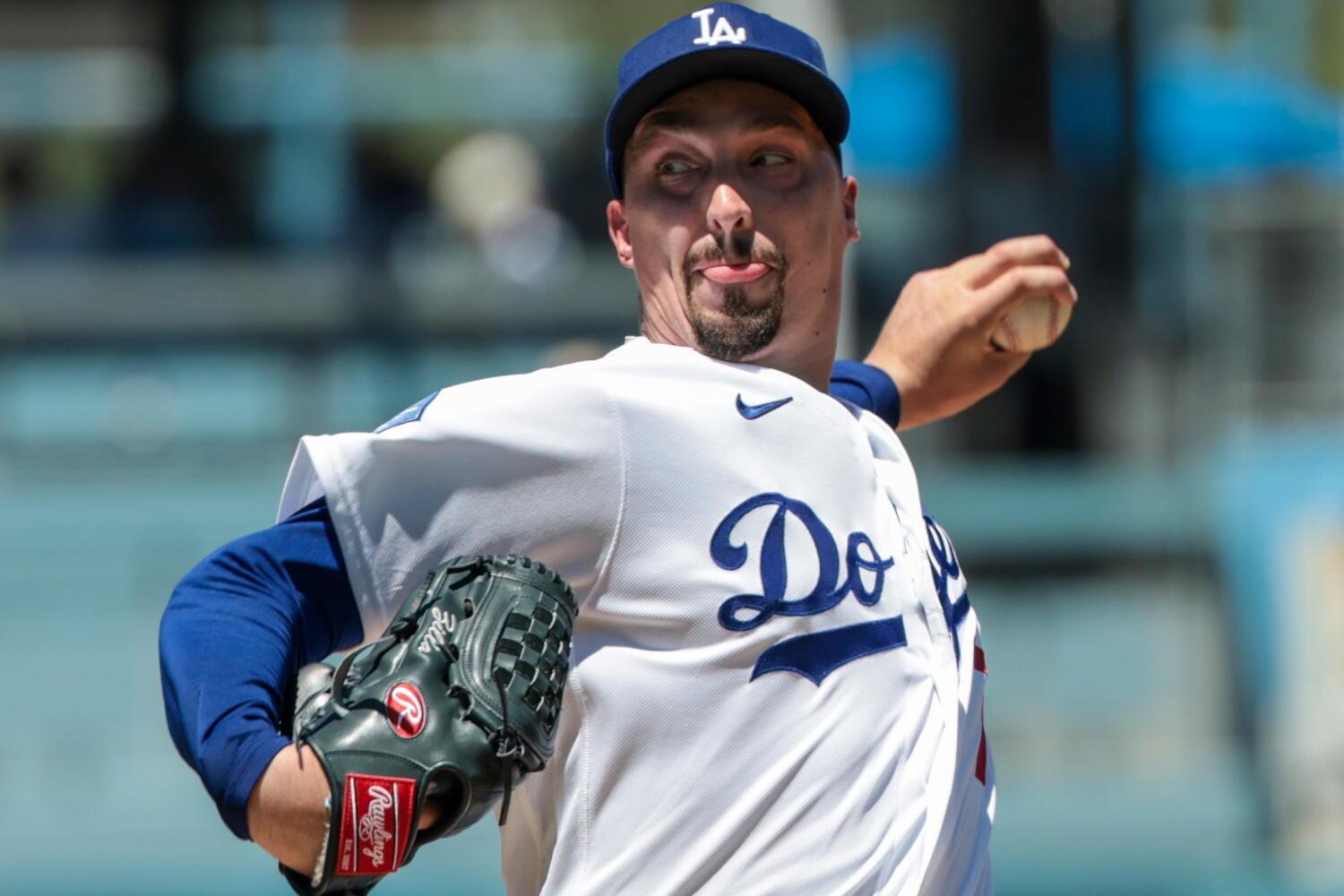
Roster optimization in modern baseball operates under conditions of extreme economic and physical friction. When high-value assets experience structural failures, front offices cannot simply replace raw output; they must reallocate systemic load across secondary and tertiary personnel. The absence of franchise cornerstones alters win-probability curves, forcing a fundamental recalculation of defensive positioning, lineup construction, and leverage management.
Evaluating the true impact of elite player injuries requires moving past simplistic substitution models. A replacement-level player does not merely backfill box-score production; their inclusion introduces compounding inefficiencies throughout the organizational ecosystem.
The Attrition Multiplier
When an elite contributor is removed from a lineup, the primary metric affected is not isolated run production, but situational leverage mitigation. Premium talents compress high-leverage outcomes by consistently winning individual matchups against elite pitching. Their removal forces managers into structural adjustments that strain the entire batting order.
- Protective Batting Order Decay: The removal of a high on-base or elite slugging threat degrades the protection afforded to adjacent hitters. Pitchers respond by elevating strike-zone selectivity against remaining focal points, shifting the aggregate walk and strikeout distribution across the roster.
- Defensive Run Prevention Cascade: Infield or outfield configurations lose spatial coverage efficiency. A premier defender's range suppresses opposing BABIP (Batting Average on Balls in Play), and replacing them introduces marginal base hits that alter high-leverage bullpen usage patterns.
- Workload Redistribution Failure: Depth options pressed into everyday roles experience fatigue-induced performance degradation. The marginal utility of a bench player diminishes rapidly when extended past a situational platoon optimization window.
The Cost Function of Medical Volatility
Major League organizations budget for predictable variance in player availability, but catastrophic structural injuries to foundational assets break actuarial models. The economic investment tied to long-term contracts transforms short-term medical absences into organizational bottlenecks.
[Elite Injury Event]
       │
       ▼
[Defensive Range Compression] ──► [Increased Pitcher Stress Profiles]
       │
       ▼
[Lineup Leverage Degradation] ──► [Bullpen Over-Extension]
When players undergo procedures for complex structural failures—such as peroneus brevis tendon repairs or major joint stabilizations—the recovery timeline dictates more than a single season's ceiling. It initiates a multi-year rehabilitation trajectory where athletic force generation and lateral explosiveness are compromised upon return. Front offices must weigh the immediate sunk cost against the multi-year asset depreciation curve, often miscalculating the recovery runway needed to regain pre-injury mechanical efficiency.
Roster Architecture and Postseason Vulnerability
As teams transition into deep postseason environments, the margin for tactical error narrows significantly. Depth pieces that sufficed during a 162-game marathon are exposed under the intense scrutiny of short-series pitching matchups.
The absence of elite talent compresses the margin for error in late-inning management. Without a primary run-creator or a gold-glove anchor, managers must rely on platoon configurations and defensive substitutions that telegraph strategic intentions to opposing dugouts. This transparency neutralizes tactical flexibility, forcing teams into rigid operational templates.
Strategic Allocation Under Constraint
Mitigating structural attrition demands rigorous asset reallocation rather than passive waiting. Organizations facing elite-tier injuries must prioritize high-efficiency contact metrics and defensive versatility over traditional star-power replacements. The strategic objective shifts from attempting to replicate an irreplaceable skillset to minimizing systemic vulnerabilities across the remaining active roster. Success in late-season environments is dictated by how effectively an organization insulates its weakest links once structural pillars are removed.
BREWERS vs. DODGERS: NLCS Full Game 4 Highlights (October 15) | 2026 MLB Postseason
This game highlights how high-stakes postseason matchups test roster depth and structural resilience when teams must adapt to the pressures of October baseball.