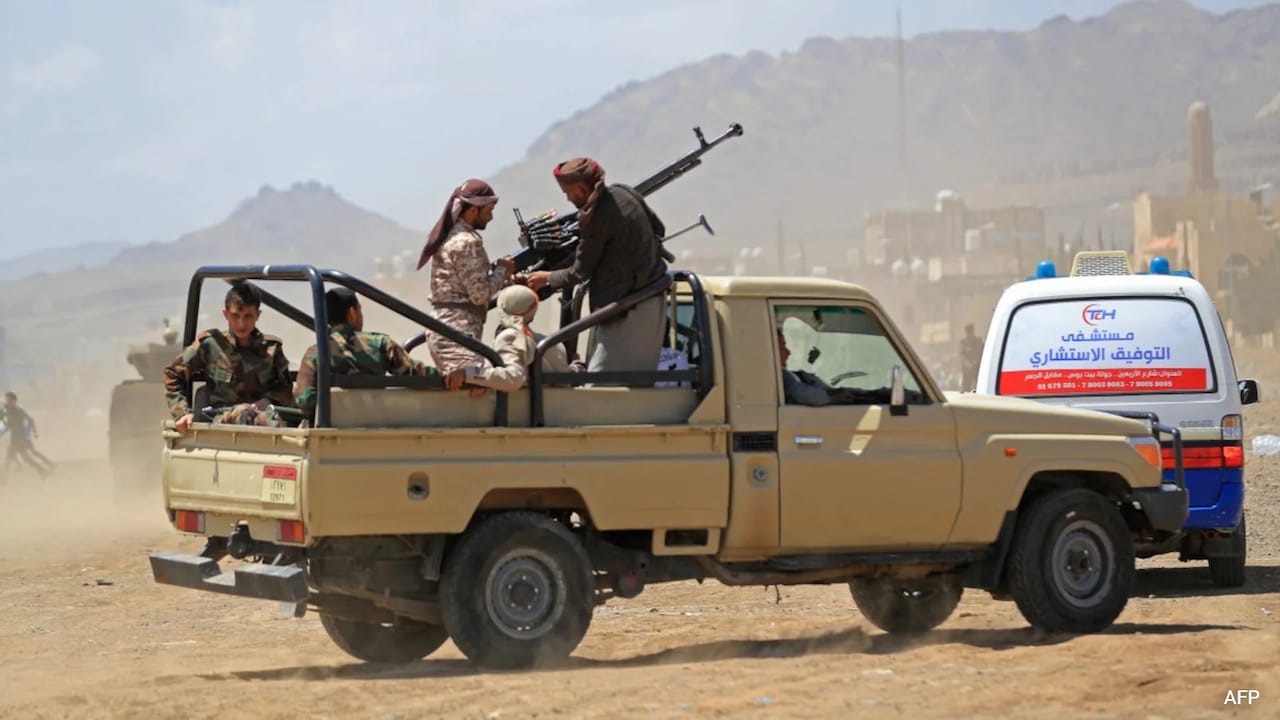
Control of maritime choke points dictates the flow of global commerce. When armed factions contest the approaches to the Bab el-Mandeb strait, the shockwaves register immediately in insurance offices in London and container ports across Asia. Recent military maneuvers by Saudi-backed forces aiming to secure the areas surrounding this vital waterway underscore a persistent reality of modern geopolitics. Securing a coastline requires more than pushing adversaries back from a ridge. It demands navigating a labyrinth of local tribal alliances, fractured command structures, and the constant threat of asymmetric retaliation.
The Bab el-Mandeb strait connects the Red Sea to the Gulf of Aden, serving as the southern gateway to the Suez Canal. Millions of barrels of oil and vast quantities of manufactured goods pass through this twelve-mile-wide channel daily. When the security of this corridor degrades, shipping companies face a stark choice. They can absorb soaring risk premiums or reroute vessels entirely around the African continent, adding weeks to transit times and inflating prices for consumers worldwide.
Military campaigns in this theater rarely resemble conventional warfare between nation-states. The terrain is punishing, characterized by arid coastal plains rising abruptly into rugged mountain redoubts. Houthi positions have long benefited from natural elevation and deep familiarity with local geography. When coalition-aligned units push forward, every kilometer gained requires securing supply lines that remain vulnerable to hit-and-run tactics, landmines, and drone incursions.
Observers often misread these engagements as simple territorial exchanges on a map. In practice, ground combat in Yemen operates as an extension of complex political negotiations. Forces designated as coalition-backed often comprise a mosaic of local militias, southern separatists, and national army remnants, each answering to distinct political patrons with divergent long-term goals. A successful advance in the field can mask underlying friction regarding who will ultimately control regional governance once the smoke clears.
Logistics dictate the tempo of every operation in the region. Water, fuel, and ammunition must traverse hostile territory under constant threat of interdiction. Air support provides a crucial shield, yet ground forces bear the burden of holding contested ground. Without enduring administrative structures and reliable local security forces to prevent infiltration, recaptured zones frequently risk sliding back into contestation.
The broader international community watches these developments with acute anxiety. Major powers maintain naval patrols in the surrounding waters to deter attacks on commercial shipping and naval assets alike. Yet naval patrols treat symptoms rather than the root cause of instability ashore. As long as the land approaches remain contested by well-armed non-state actors, maritime security will remain fragile, dependent on tactical victories that must be constantly defended anew.