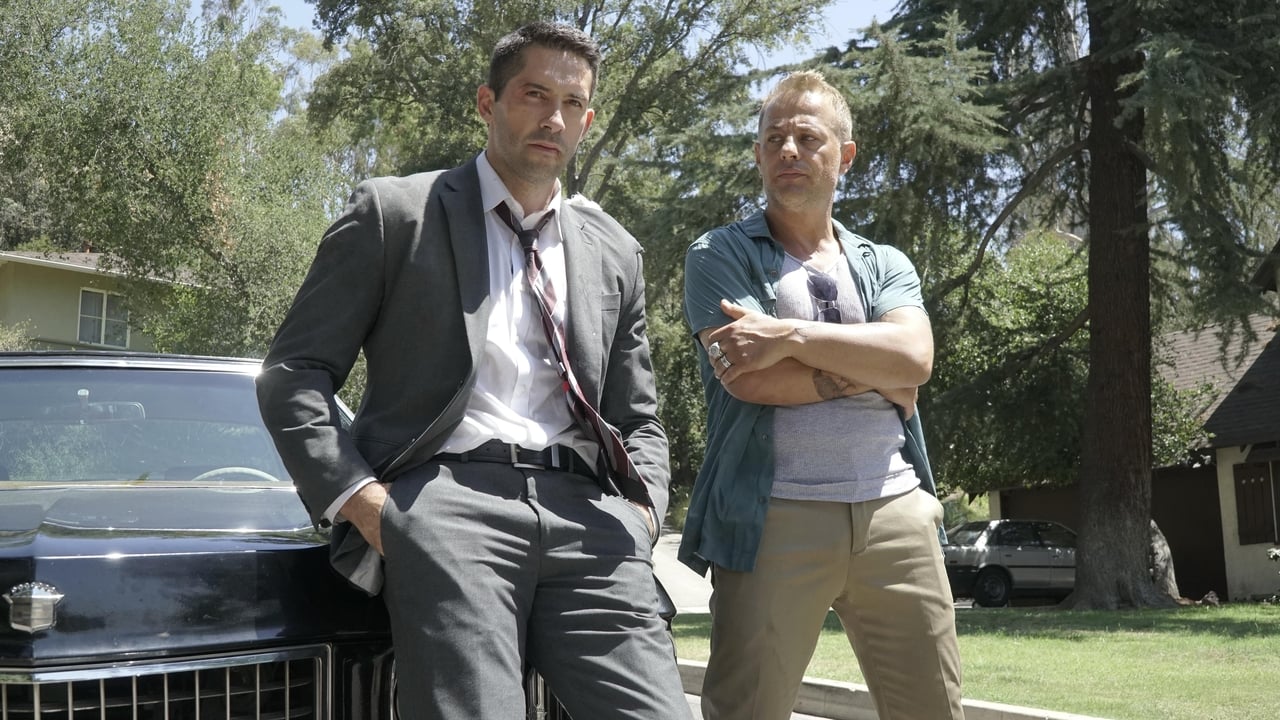
The appearance of Third Eye Blind at Stagecoach—traditionally a bastion of country music—is not a random aesthetic pivot but a calculated exercise in brand equity extension and audience lifecycle management. In an era where the touring economy is increasingly dominated by the high-margin "super-festival," legacy alternative rock acts face a diminishing return on standard circuit appearances. By migrating into a genre-specific ecosystem like Stagecoach, Third Eye Blind utilizes a "trojan horse" strategy: leveraging high-affinity 1990s nostalgia to capture a demographic that possesses high discretionary income but remains underserved by the current alt-rock touring infrastructure.
The Economic Logic of Genre Arbitrage
The live music market operates on a value-density curve where the cost of customer acquisition (CAC) for a legacy act is significantly lower in a non-traditional environment than in its native genre. For a band like Third Eye Blind, performing at a dedicated rock festival involves competing for attention with direct substitutes. At Stagecoach, they occupy a unique niche, functioning as a "palate cleanser" for an audience that grew up during the peak of terrestrial radio dominance, where the Venn diagram of country listeners and alternative rock fans had significant overlap.
This phenomenon is driven by three distinct structural pillars:
- Demographic Convergence: The median Stagecoach attendee falls within the 30–50 age bracket. This cohort views 1990s post-grunge and pop-rock as foundational "golden era" content, regardless of their current primary genre preference.
- The Nostalgia Premium: Nostalgia acts as a hedge against market volatility. While new artists must prove their utility to a crowd, legacy acts provide a guaranteed emotional ROI, which festival organizers use to justify rising ticket prices.
- Low Competition for Mental Availability: Within the Stagecoach lineup, Third Eye Blind faces zero direct competitors for their specific sound. This allows them to claim 100% of the "nostalgia rock" mindshare of the 75,000+ daily attendees.
Mapping the Talent Buyer’s Value Equation
Festival talent buyers utilize a specific cost-benefit framework when selecting "out-of-genre" acts. The goal is to maximize the Retention Coefficient—the ability to keep attendees on-site (and spending on high-margin concessions) during mid-afternoon slots when they might otherwise return to their hotels or trailers.
$$V_f = \frac{(A \times N) + D}{C}$$
In this model, $V_f$ represents the Value to the Festival, $A$ is Audience Reach, $N$ is the Nostalgia Factor, $D$ is the Diversification Benefit (the ability to attract non-country fans), and $C$ is the Booking Cost. Third Eye Blind represents a high-value $V_f$ because their booking cost remains lower than a contemporary country headliner, yet their $N$ and $D$ variables are disproportionately high.
The logistical friction of integrating a rock setup into a country-optimized stage is offset by the Social Media Velocity generated by the "unexpected" nature of the booking. This creates an earned media loop that extends the festival's brand reach into demographics that may not have considered attending a country-primary event.
The Operational Mechanics of the "Late-Career Pivot"
Third Eye Blind’s presence is a masterclass in Asset Repurposing. A band with a fixed catalog must find new ways to extract value from existing intellectual property. The transition to the country-festival circuit involves a specific operational checklist:
- Setlist Optimization: Focus exclusively on high-velocity singles ("Semi-Charmed Life," "How's It Going to Be") that have achieved "permanent earworm" status.
- Aesthetic Calibration: Adjusting the visual presentation to align with the higher-production, brighter aesthetic of Stagecoach, without sacrificing the core "San Francisco Alt-Rock" identity.
- Peripheral Engagement: Utilizing the "Late Night in the Palomino" or secondary stage slots to create an intimate, "exclusive" atmosphere that contrasts with the massive scale of the main stage country acts.
This shift reveals a broader trend in the entertainment industry: the Death of Genre Purity. As streaming algorithms break down the barriers between musical silos, the consumer no longer views a rock band at a country festival as an anomaly. They view it as a curated experience.
Measuring the "Nostalgia Bridge" Effect
The success of this placement is measured by the After-Action Conversion Rate. If Third Eye Blind sees a statistically significant spike in streaming numbers within the "Country" geographic hubs (Nashville, Dallas, Houston) following the performance, the arbitrage has been successful.
This creates a self-reinforcing cycle. Success at Stagecoach provides the data points necessary to book other high-paying, non-traditional gigs—corporate retreats, luxury cruises, and "destination" festivals. It shifts the band from being a "Rock Act" to a "Legacy Entertainment Asset."
The Strategic Bottleneck: Overexposure and Brand Dilution
While the genre-pivot is lucrative, it carries inherent risks. The primary limitation is the Saturation Threshold. If a legacy rock act appears at too many country festivals, the "novelty premium" evaporates. The band risks alienating their core "purist" fanbase while becoming a commodity in the country space.
Furthermore, the "nostalgia bridge" only works if the band can maintain a high level of performance execution. A legacy act that sounds "tired" on a stage populated by high-energy, contemporary country stars will suffer immediate brand devaluation. The physical energy of frontman Stephan Jenkins is, therefore, not just a performance choice but a core business requirement for maintaining the band's market price.
The Long-Tail Revenue Impact
Beyond the immediate performance fee, Stagecoach serves as a high-visibility showroom for the band’s touring capabilities. In the audience are talent scouts for private equity-backed event firms and regional promoters who are looking for reliable "plug-and-play" headliners for multi-use venues.
The economic reality of the 2020s music industry is that Reliability beats Relevancy. A band that can guarantee a 45-minute set where 80% of the audience knows 100% of the lyrics is more valuable to a festival's bottom line than a modern act with a viral hit but no proven "staying power."
Implementation Framework for Legacy Brand Extension
For legacy entities looking to replicate the Third Eye Blind model, the strategy follows a rigid four-phase execution:
- Identify High-Overlap Subcultures: Use Spotify listener data to find secondary genres where your music has high "incidental" play.
- Optimize for the Middle-Aged Dollar: Target events where the average ticket price exceeds $400, ensuring an audience that values comfort and nostalgia over discovery.
- Execute the "Curated Surprise": Market the appearance as a "special event" rather than a standard tour stop to maintain the illusion of exclusivity.
- Monetize the Data Spike: Immediately follow the performance with targeted social media ad spend in the festival’s primary geographic markets to lock in new (or rediscovered) listeners.
The move by Third Eye Blind signals the endgame of the "Alternative" era. No longer an alternative to the mainstream, these acts are now the backbone of the mainstream's premium nostalgia tier. The goal is no longer to innovate, but to dominate the high-margin spaces where memory meets discretionary spending.
Organizers must now view their lineups as Diversified Portfolios. A 100% country lineup is a concentration risk. Adding a high-floor, high-nostalgia rock asset like Third Eye Blind provides the necessary hedging to ensure that even if the country headliners underperform, the "festival experience" remains anchored in a universally recognized musical language. This is the new standard for live event ROI: the strategic blending of disparate fanbases to create a more resilient and profitable ecosystem.