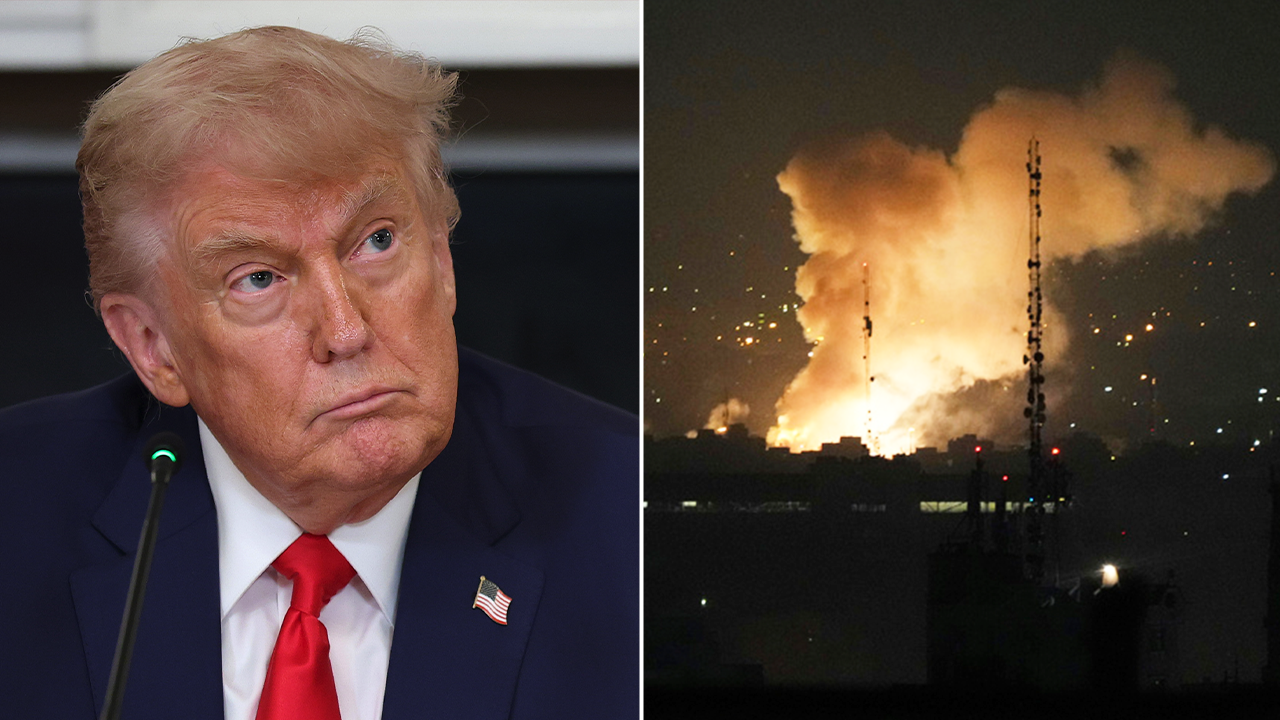
The Strait of Hormuz isn't technically "closed" according to Iran, but if you’re flying a U.S. or Israeli flag, you might as well be staring at a brick wall. Iranian Foreign Minister Abbas Araghchi made it clear this weekend that while the world’s most critical oil chokepoint remains open for "business as usual" for most, it’s a total no-go zone for the nations Tehran considers its primary aggressors.
It’s a classic move in geopolitical chess. By claiming the strait is open to the "rest of the world," Iran is trying to peel away international support for U.S.-led naval escorts. They want to show that the chaos in the global energy market isn't their fault—it's yours, or rather, it's Washington’s.
The Araghchi Doctrine for the Persian Gulf
During an interview with MS NOW on Saturday, Araghchi was blunt. He argued that the Strait of Hormuz is only dangerous because of U.S. and Israeli military strikes. According to him, Iran isn't the one blocking the door; they're just checking IDs at the entrance. "It is only closed to the tankers and ships belonging to our enemies," Araghchi said. He even pointed out that many tankers are still passing through, though he conveniently ignored the fact that traffic has plummeted by nearly 70% since the February 28 strikes.
The reality on the water is much messier than a press release. While Araghchi claims other ships are "free to pass," the insurance markets don't agree. If you're a captain of a Greek or Indian tanker, you aren't just worried about an official blockade. You're worried about GPS jamming, stray missiles, and the very real chance of being caught in the crossfire of a drone swarm.
Trump and the scramble for a coalition
Donald Trump isn't sitting back and waiting for a permission slip from Tehran. He's already called on nations like China, Japan, France, and South Korea to send their own warships to the region. His logic is simple: if you want the oil, you help guard the pipe.
It’s a tough sell. France has already started moving ships under "Operation Aspides," but they’re calling it a "purely defensive" mission. They don't want to look like they're joining a U.S. war; they just want to make sure their gas prices don't hit $10 a gallon. Meanwhile, Araghchi is mocking the whole idea, calling the U.S. "security umbrella" a piece of fabric full of holes.
Why the "Yuan Option" changes everything
There's a whisper coming out of Tehran that’s even more dangerous for the U.S. than a few anti-ship missiles. Reports suggest Iran is considering letting tankers through the strait—even ones they might otherwise harass—if the oil is traded in Chinese yuan instead of the U.S. dollar.
If this happens, it’s a direct hit to the "petrodollar." Iran knows they can’t win a straight-up naval battle against the U.S. Fifth Fleet for long. But they can weaponize the world’s dependence on the strait to push for a new economic reality. If you want to bypass the blockade, you might have to bypass the dollar, too.
The collateral damage of a "conditional" opening
Don't let the diplomatic talk fool you. The Strait of Hormuz is a chokepoint in the truest sense of the word. At its narrowest, it’s only 21 miles wide. When Iran says it’s "open but not for you," they’re basically turning the Persian Gulf into a private lake.
- Shipping costs are exploding: War risk insurance premiums have gone through the roof.
- Stranded vessels: Hundreds of ships, including many Indian tankers, are currently anchored outside the strait, waiting to see if it’s safe to move.
- GPS chaos: Defensive jamming by Gulf states is making civilian navigation a nightmare, leading to a spike in near-misses and accidents.
The impact isn't just felt in Washington or Tel Aviv. It’s hitting the "Global South" the hardest. India gets about half of its crude through this route. If the "Araghchi Doctrine" stays in place, countries that try to stay neutral will eventually be forced to take a side just to keep their lights on.
What happens next
Expect the U.S. to ramp up strikes on the Iranian coastline north of the strait. Trump has already signaled that he’s willing to "bomb the hell out of the shoreline" to clear a path. This isn't just about moving oil; it’s about proving that Iran doesn't own the water.
If you're tracking this, keep a close eye on the G7's next move regarding joint naval escorts. If a unified fleet starts moving through the strait, Iran will have to decide if they're actually willing to pull the trigger on a non-American ship. Until then, the "open" sign in the window is mostly for show.
Monitor the daily Brent crude fluctuations and the movement of the "shadow fleet"—the unsanctioned tankers Iran uses to bypass traditional routes. Those are the real indicators of how "open" the water actually is.