The illusion of a stable global energy market just shattered. Again.
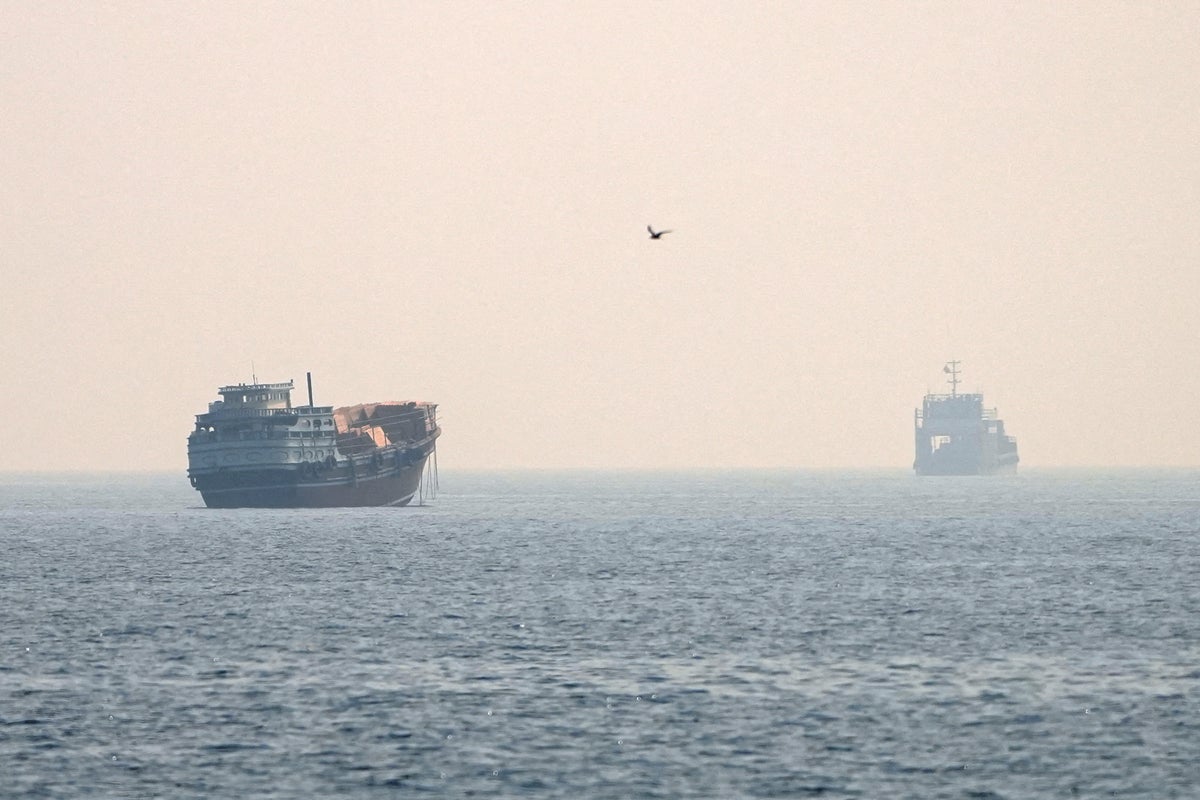
If you think the latest sudden drop in maritime traffic through the Strait of Hormuz is just another temporary blip in the evening news, you're misreading the situation entirely. It isn't just a slowdown. The maritime corridor that channels roughly twenty percent of the world’s petroleum has transformed from a commercial shipping lane into a high-stakes military gamble where traditional risk management no longer applies.
When the United States and Iran signed an interim peace agreement in mid-June, global markets breathed a collective sigh of relief. Average transits climbed back up, delayed cargoes began to clear, and oil prices dipped. It looked like diplomacy might actually hold.
Then the ceasefire collapsed.
Following Iranian drone and projectile strikes on three commercial tankers—including a Qatari liquefied natural gas carrier and a Saudi-flagged crude vessel—the US Central Command retaliated with massive force. US forces hit over 80 targets across southern Iran, hammering coastal radar sites, air defense networks, and dozens of military small boats.
The immediate result? Commercial traffic evaporated. Just 14 commodity carriers crossed the strait on Wednesday, a staggering drop from the post-ceasefire peak of 59 daily transits. It’s the quietest the waterway has been in months, and the economic ripple effects are going to hit your wallet sooner than you think.
The Real Breakdown of the Numbers
To understand how bad this is, look at where the ships are actually going—or rather, where they aren't.
Strait of Hormuz Daily Transits (Mid-June vs. July 2026)
Post-Ceasefire Peak: 59 vessels
Post-US Strike Traffic: 14 vessels
The few ships still moving are avoiding the southern, US-backed Omani corridor entirely. Instead, ship tracking data shows a tiny trickle of vessels hugging the northern route, which is explicitly controlled and approved by Iran. Among the few large vessels spotted were an Iranian-flagged container ship and a single, US-sanctioned supertanker sneaking out of the Persian Gulf.
Everyone else is turning around. Several massive LNG carriers controlled by QatarEnergy made abrupt U-turns, while Indian-flagged crude tankers carrying Kuwaiti oil literally reversed course off the coast of Oman.
Why the Insurance Market Just Quit
In normal times, when geopolitics get messy, commercial charter firms and marine underwriters adjust. They raise premiums, add war-risk surcharges, and keep the spice flowing.
Not this time.
London marine war insurers have seen requests for Hormuz transit coverage plummet because the risk has crossed the line from expensive to uninsurable. When the US Treasury Department revoked its 60-day sanctions waivers on Iranian oil immediately following the tanker attacks, it legally choked off the bureaucratic machinery keeping these vessels moving.
We have passed the point where commercial operators can self-insure or count on inventory buffers to absorb a three-day delay. Transit permission has effectively shifted from corporate boardroom spreadsheet calculations to direct military risk assessments. If the US military cannot guarantee that a multi-million-dollar hull won't get hit by a rogue drone, the ship doesn't move. Period.
The Extortion Scheme Under the Hood
The most concerning element of this latest escalation isn't the military hardware; it’s the legal and economic precedent Iran is trying to set.
Tehran’s foreign ministry officials openly stated that they intend to collect "necessary costs" from any commercial vessel utilizing the strait, framed as a fee for providing maritime security. Let's call that what it knda is: a state-sponsored protection racket.
Iran claims the mid-June memorandum of understanding gives them exclusive rights to manage the reopening of the waterway. They’re furious that the US and Oman have been attempting to establish alternative shipping routes closer to the Omani coastline to bypass Iranian radar. By striking ships using the Omani route, Tehran sent a clear message: pay our toll, or your ship burns.
This creates a massive ideological wall. Western shipping interests, alongside regional heavyweights like Saudi Arabia and Qatar, cannot and will not accept a reality where Iran levies a compulsory tariff on an international waterway protected by maritime law. Because neither side can back down from this position, a quick diplomatic resolution is entirely off the table.
What Happens to the Supply Chain Now
The timing of this closure couldn't be worse for global supply chains. As peak summer energy demand hits the Northern Hemisphere, the complete halt of LNG and crude flows out of the Gulf will force Western economies to rapidly draw down their Atlantic basin inventories.
But this isn't just about high gas prices at the pump. The long-term fallout involves a massive strain on global shipping capacity.
- Longer Voyages: When you block Hormuz, you don't just delay oil; you force the entire global fleet of clean and dirty tankers to hunt for longer-haul alternative routes that lack immediate spare capacity.
- The Fertiliser Crunch: The Persian Gulf is a primary hub for global mineral fertilizer exports. A prolonged closure means these agricultural components won't reach agricultural hubs in time for vital staple crop planting seasons, setting up a potential global food security issue six to nine months down the line.
- Cascading Congestion: Rerouted ships displace capacity in other sectors, meaning container freight rates for electronics, auto parts, and consumer goods will climb regardless of whether those specific items ever neared the Middle East.
The Immediate Playbook for Businesses
If your business relies on international logistics, energy inputs, or global supply chains, waiting for the US and Iran to sort this out is a losing strategy. You need to act on the assumption that Hormuz will remain highly volatile for the rest of the year.
First, audit your logistics tier exposure immediately. Find out if your primary suppliers rely on components or raw materials routed through the Western Indian Ocean or the Persian Gulf.
Second, shift your inventory strategy from "just-in-time" to "just-in-case." Lock in freight rates and energy contracts now before the full brunt of the Atlantic basin inventory draws hits the commercial markets later this summer.
Finally, prepare for secondary port congestion. When major shipping corridors choke up, alternative ports get swamped with rerouted traffic. Expand your lead time expectations by at least two to three weeks for any international cargo, and diversify your arrival ports to avoid localized logistics bottlenecks. The shipping map has changed, and it isn't changing back anytime soon.