Malaysia has a food security panic attack every time global supply chains sneeze. Whenever rice yields dip or import costs creep upward, policymakers reach for the nearest shiny object. Right now, that object is China’s so-called two yields, one land model. The lazy consensus in agricultural circles treats this cropping technique as a silver bullet. Copy Beijing's high-efficiency intensification methods, the argument goes, and Malaysia solves its paddy production deficit overnight.
It is a comforting fantasy. It is also entirely detached from agronomic reality.
I have spent years watching bureaucrats and corporate consultants burn millions of ringgit trying to transplant foreign agricultural blueprints onto local soil without understanding why those blueprints worked in the first place. Importing a high-input cropping system into a completely different tropical ecosystem does not fix structural failure. It accelerates it.
The Flawed Premise of Tropical Copy-Paste
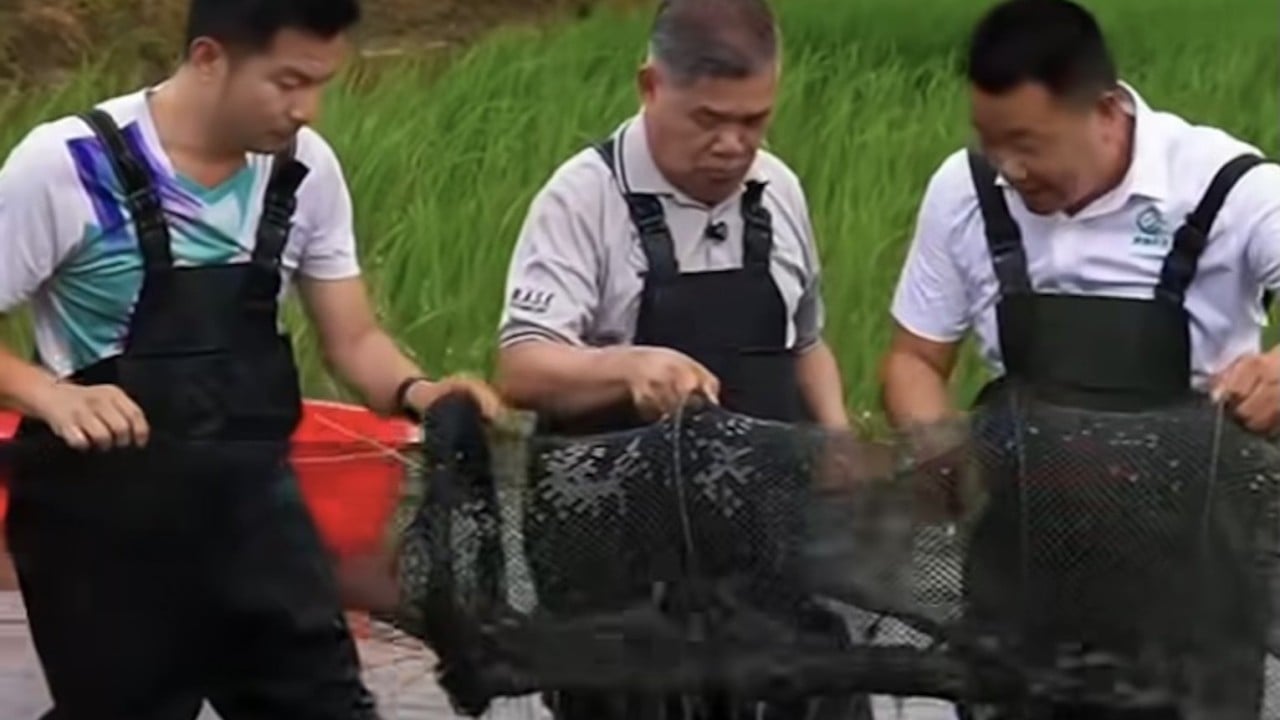
The core appeal of the two yields, one land approach is structural efficiency. By utilizing hybrid rice varieties and precise water management, farmers in specific regions can squeeze multiple harvest cycles out of the same acreage within a single calendar year. On paper, output doubles per hectare.
Real life refuses to cooperate with spreadsheets.
Malaysia is not Hunan. Our climate brings persistent high humidity, erratic monsoon floods, and fundamentally different soil profiles compared to temperate or subtropical East Asian test sites. When you force intensive multi-cropping schedules onto Malaysian paddies without upgrading local drainage infrastructure and soil microbiome health, you trigger rapid soil exhaustion.
Farmers think they are increasing productivity. They are actually mining their own dirt.
Foreign Model Applied Locally -> Soil Nutrient Depletion -> Yield Crash -> Heavy Chemical Dependence
I have seen cooperative plots in Kedah adopt high-intensity planting schedules under heavy subsidy pressure. By year three, organic matter in the topsoil plummeted. Pests adapted faster than the pesticide rotations could handle, and the farmers ended up spending more money on chemical inputs than they made at the mill.
The lazy question dominating policy debates is: How do we replicate China's output per square meter?
The correct question is: Why are we trying to intensify a broken production chain instead of fixing land tenure, water logistics, and market incentives?
The Economics Nobody Wants to Admit
Let us address the uncomfortable downside of aggressive agricultural intensification. Pushing land to produce more crops per year demands a massive capital outlay. You need specialized seeds, automated irrigation valves, heavy machinery, and constant chemical interventions to keep fungal diseases at bay in a tropical monsoon climate.
Smallholder farmers do not have the balance sheets for this.
When the government dangles incentives for high-yield adoption, the beneficiaries are rarely the generational farmers working two hectares in Perlis. The winners are agritech conglomerates selling proprietary seeds and synthetic fertilizers.
Furthermore, Malaysia suffers from severe land fragmentation. Small, disjointed plots make large-scale water control nearly impossible. In China, intensive models succeed because they operate within vast, consolidated agricultural zones managed with top-down infrastructural precision. Trying to overlay that same mechanical efficiency onto fragmented Malaysian smallholdings is like trying to run an F1 engine inside a lawnmower. It shreds the chassis.
Dismantling the Rice Self-Sufficiency Myth
Politicians love the phrase food security, usually as a synonym for 100% domestic rice self-sufficiency. This is an economically illiterate goal.
Malaysia's comparative advantage has never been commodity grain production at global scale. Our labor costs are higher than our regional neighbors, our arable land is constrained by palm oil profitability, and our climate introduces severe weather volatility. Continuing to subsidize low-margin paddy farming through blunt price controls while ignoring supply chain bottlenecks is economic self-harm.
If you want true agricultural resilience, you stop obsessing over volumetric rice output and start looking at value chain efficiency.
- Consolidate management, not land: Allow smallholders to retain ownership while pooling operational management into cooperative syndicates that can actually deploy modern machinery.
- Upgrade water infrastructure: Stop funding flashy seed trials while irrigation canals from the 1970s crumble and leak half their volume before reaching the fields.
- Diversify caloric security: Obsessing solely over rice blinds the nation to alternative carbohydrate sources and robust aquaculture networks that require less water and yield faster economic returns.
Foreign models work as inspiration, never as instruction manuals. Until Malaysian agricultural policy stops chasing foreign gimmicks and starts fixing the foundational rot in local infrastructure and land economics, every new cropping system imported from abroad will do little more than fertilize disappointment.
Stop buying the foreign blueprint. Fix the dirt under your feet.