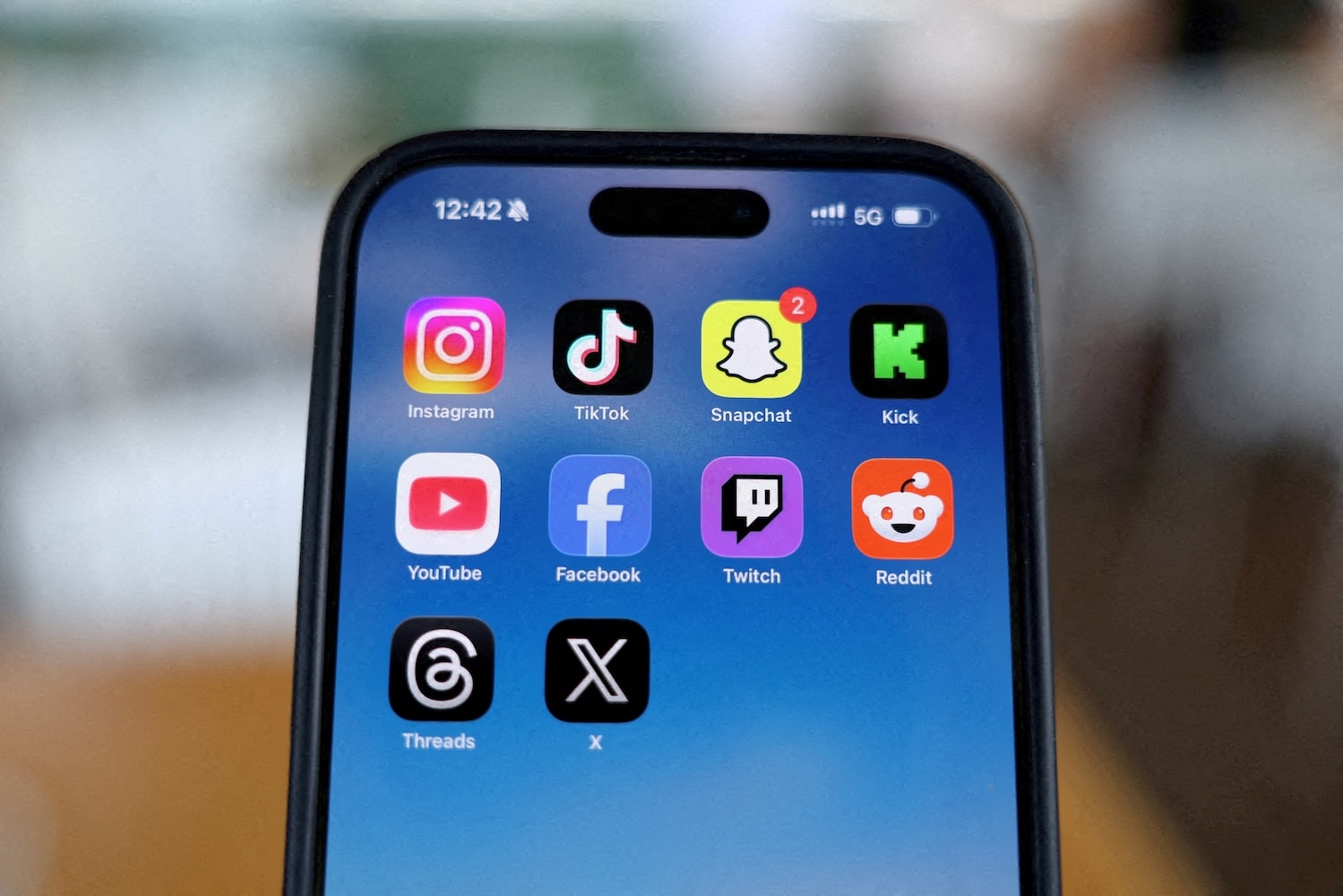
Litigation is the ultimate lazy American coping mechanism. For the last few years, the mainstream tech press has been breathlessly tracking the "Big Tobacco" moment for Silicon Valley. You see the headlines everywhere. Pundits obsess over every update in the mass torts. They treated the recent KGM v. Meta & YouTube bellwether trial in Los Angeles like a holy war. And when the jury returned a $6 million verdict against Meta and Alphabet, the consensus narrative solidified: the courts will finally force tech companies to fix our broken brains.
What a delusional fantasy. Recently making news recently: Why the Six Week Mushroom Toilet is a Dangerous Greenwashing Pipe Dream.
The current legal crusade against social media is built on a profoundly flawed premise. We are treating a cultural crisis of parenting and personal accountability as a product liability defect. By pretending that infinite scroll and autoplay are the legal equivalents of an exploding car engine or nicotine-laced tobacco, we are avoiding the brutal truth. The courts cannot fix your child’s dopamine receptors. More importantly, winning these lawsuits will actually make the internet worse, more fractured, and completely unusable for everyone else.
The Product Liability Mirage
The entire legal strategy cooked up by plaintiffs' attorneys hinges on bypassing Section 230 of the Communications Decency Act. They know they cannot sue tech companies for the horrific content users post. So, they invented a novel workaround: don't sue the content; sue the code. Further details on this are explored by TechCrunch.
Lawsuits now argue that algorithmic recommendation engines, push notifications, and variable reward loops are "defective products." They claim features like the Instagram feed or YouTube’s autoplay were intentionally engineered to induce compulsive behavior in children.
Let's dismantle this logic with basic product design reality.
Every single digital product on earth is designed to be engaging. The local grocery app uses push notifications. Your bank app uses variable rewards to encourage saving. The NYT Crossword app uses daily streaks to build compulsive habits. "Engagement optimization" is not a design defect; it is the fundamental definition of software development.
When you sue a car manufacturer for a design defect, you are pointing to a component—like a faulty brake line—that failed to perform its intended safety function. When you sue Meta because a teenager spent 16 hours a day on Instagram, you are suing a product for working exactly as intended. The software maximized engagement. The user complied.
I have spent years building and analyzing platform mechanics. Let's be entirely transparent about what these features actually do. Infinite scroll did not invent short attention spans; it removed pagination. Autoplay did not invent binge-watching; it automated the "next" button. Labeling these features as inherently hazardous products sets a legal precedent that criminalizes basic user experience design.
The Fake Big Tobacco Parallel
Activists love comparing the adolescent mental health crisis to the 1990s legal war against Big Tobacco. It sounds great in a press release. It is completely inaccurate under a microscope.
The legal case against Big Tobacco succeeded because the underlying product possessed zero safe utility. Cigarettes do one thing: deliver addictive toxins directly into human lungs. There is no healthy way to smoke. Furthermore, tobacco executives actively lied about internal biochemical data proving nicotine addiction while secretly manipulating chemical levels to hook users.
Social media shares none of these characteristics.
- Dual-Use Reality: YouTube is simultaneously a platform where a child can watch a video that triggers body dysmorphia and a repository where that same child can learn advanced calculus, music theory, or how to code. The product has massive, undeniable social and educational utility.
- No Biochemical Monopoly: Tech platforms do not inject a foreign chemical into your bloodstream. They trigger endogenous dopamine. So does reading an immersive fantasy novel, playing competitive chess, or eating a slice of pizza.
By pretending Mark Zuckerberg is the new Don Brown, the legal system is attempting to apply a public health framework designed for toxic chemicals to a communication medium. If a tool can be used to either learn astrophysics or develop an eating disorder, the defect is not in the tool. It is in the environment where the user wields it.
The High Cost of the "Safe" Internet
Imagine a scenario where the plaintiffs win every single pending case in the Adolescent Social Media Addiction MDL. Assume the tech giants exhaust their appeals and are forced to fundamentally alter their platforms to avoid catastrophic financial liability.
What does that look like?
To ensure no minor ever experiences "compulsive use," platforms will be forced to implement draconian, mandatory age-verification protocols. Say goodbye to pseudonymous browsing. You will be uploading your driver's license or biometric face scans just to view a public thread.
Algorithms will be replaced by dull, strictly chronological feeds. The tech press thinks they want this. They do not. Chronological feeds mean you see every single piece of garbage posted by every person you follow, in real-time, without any filter for quality or safety. To prevent any risk of algorithmic amplification liability, platforms will stop suggesting content entirely. The vibrant, discovery-driven internet dies overnight.
Furthermore, the legal risk of hosting user-generated content will become too high for anyone other than trillion-dollar monopolies to survive. Small startups cannot afford the compliance infrastructure or the multi-million dollar insurance premiums required to shield themselves from "addiction" lawsuits. By trying to punish Big Tech, the legal system will permanently cement Big Tech's monopoly. They are the only ones with the capital to pay the lawyers.
Dismantling the Victim Narrative
Let's address the most uncomfortable question running through the "People Also Ask" sections of these legal filings: Who is actually responsible for a nine-year-old having unrestricted access to Instagram for ten hours a day?
| Scapegoat | Actual Responsibility |
|---|---|
| Meta's Algorithm | Delivers content based on engagement metrics. |
| The Smartphone | Functions as a hardware conduit. |
| The Parent | Provided the smartphone, bypassed age limits, failed to monitor usage. |
The hard truth is that every major smartphone operating system already has incredibly robust, granular parental controls built directly into the settings. You can lock down apps, set strict time limits, block explicit websites, and monitor total screentime from your own device.
The parents suing tech companies are essentially admitting that they handed their child a high-powered digital sports car, refused to look at the dashboard controls, walked away, and are now shocked that the child crashed. It is a massive failure of digital literacy and parental boundary-setting, outsourced to the court system to absolve personal guilt.
Is the algorithmic internet aggressive? Yes. Is it optimized for monetization? Absolutely. But a corporation’s profit motive is a known constant. It is a predictable force of nature. Relying on a multi-billion-dollar corporation to protect your child’s mental health is like relying on the ocean not to drown a toddler left unattended on the beach.
The $6 million verdict in California wasn't a victory for public health. It was a victory for a legal industry that smelled blood in the water. If we continue down this path of treating platform design as a tort, we will end up with a sanitized, corporate, hyper-monitored internet that still fails to solve the underlying loneliness and isolation of modern youth.
Stop waiting for a judge to fix the algorithm. Lock the phone, put it in a drawer, and take accountability for the digital environment you allowed into your house. The courts won't save your kids from the internet, and honestly, they shouldn't have to.