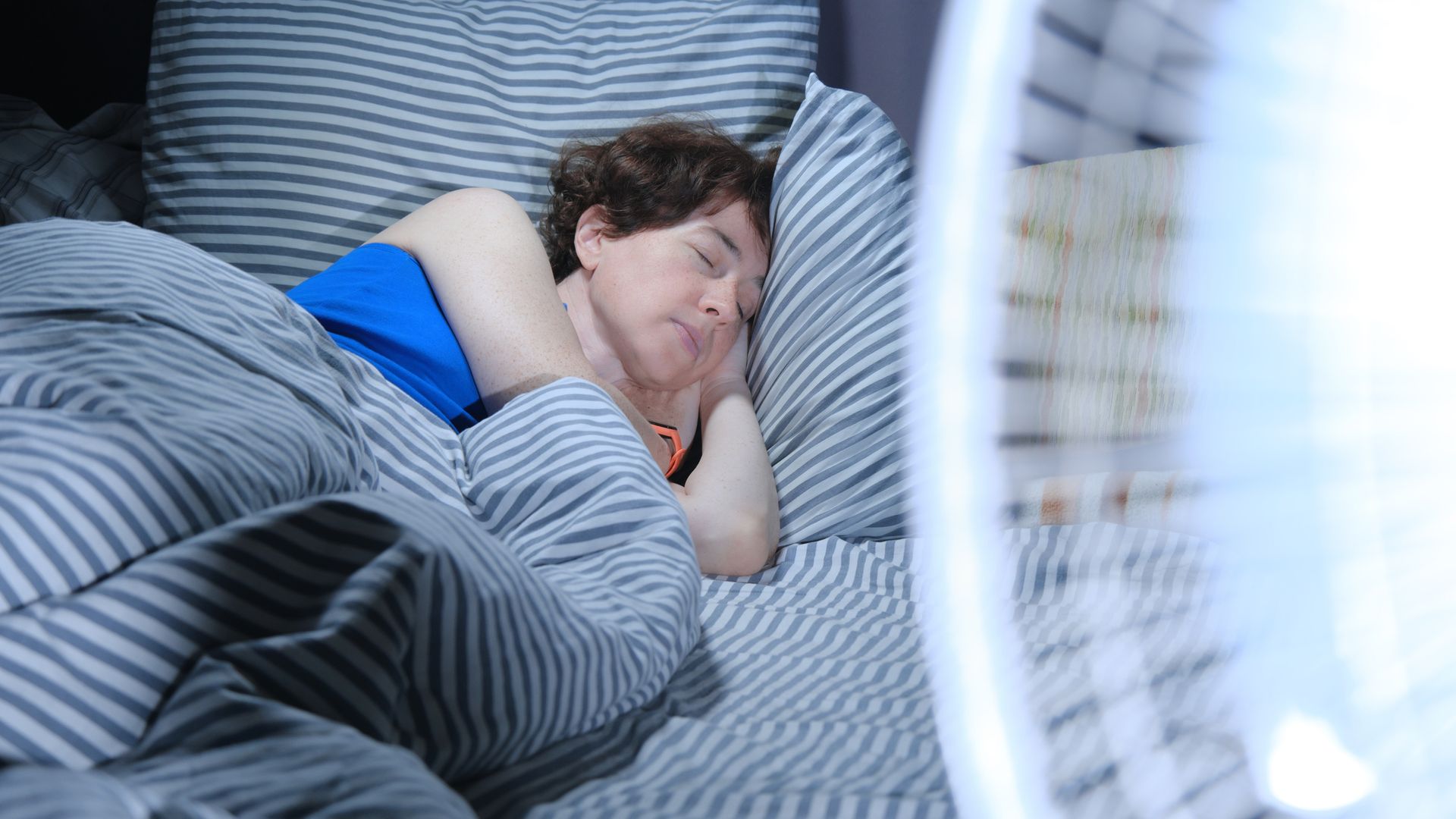
The standard sleep advice rolled out every summer is a collective exercise in futility.
You have read the articles. Buy blackout curtains. Sip chamomile tea. Set your thermostat to exactly 18°C. Flip your pillow to the cold side. It is a checklist of expensive, tedious, and largely ineffective micro-management that treats the human body like a malfunctioning refrigerator.
I have spent fifteen years analyzing sleep architecture and circadian biology. I have watched people spend thousands of dollars transforming their bedrooms into high-tech iceboxes, only to lie awake staring at the ceiling, shivering and stressed.
Here is the inconvenient truth: your bedroom temperature matters far less than your core body temperature, and your obsession with cooling down the air is actually keeping you awake.
We are looking at the entire problem backward.
The Hypothermic Trap: Why Cold Rooms Fail
The lazy consensus states that a cold room forces the body to cool down, inducing sleep. This misunderstanding of basic human homeostasis ignores how the body actually regulates heat.
When you blast the air conditioning or sit directly in front of a high-powered fan, the ambient air rapidly chills your skin. Your body, operating on millions of years of survival evolution, does not think, "Time for a great night's sleep." It thinks, "We are freezing."
In response to rapid skin cooling, your blood vessels constrict—a process known as vasoconstriction. This traps heat inside your core to protect your vital organs. To dump core heat and trigger the sleep cycle, you actually need peripheral vasodilation. Your blood vessels need to dilate, pushing blood to your extremities (your hands and feet) so the heat can escape.
By freezing your skin, you lock the heat inside. You create a hot core and freezing hands. That is the exact physiological recipe for insomnia.
The Hot Shower Paradox
If you want to cool your core, you have to get warm first.
This sounds entirely counter-intuitive to anyone sweating through a July heatwave, but the science is definitive. Researchers at the University of Texas at Austin analyzed thousands of studies looking at the effects of water-based passive body heating on sleep quality. The data showed that a hot bath or shower of about 40°C to 42°C, taken roughly 90 minutes before bed, significantly speeds up the onset of sleep.
Imagine a scenario where you deliberately raise your skin temperature right before bed. The hot water forces blood to rush to the surface of your skin, dilating the vessels. When you step out of the shower, that heat rapidly evaporates into the room. Your core temperature plummets as a direct result.
You do not need an icy room; you need a sharp downward trajectory in your internal thermometer.
Stop Weaponizing Your Thermostat
People often ask, "What is the perfect temperature for sleep?"
The premise of the question is flawed because it assumes a static environment creates a dynamic biological state. The obsession with hitting a precise number on the wall creates orthosomnia—a medical term for the anxiety caused by trying to achieve perfect sleep metrics.
When you obsess over the room being exactly 18°C, any deviation becomes a psychological barrier to rest. You wake up at 2:00 AM, notice the thermostat reads 21°C, and instantly panic. The shot of cortisol and adrenaline you get from that micro-panic does far more damage to your sleep cycle than a few degrees of ambient warmth ever could.
The human species survived for millennia sleeping in tropical climates, deserts, and shifting seasonal environments without climate control. Your biology is perfectly equipped to handle a warm room. It is not equipped to handle a brain wrapped in performance anxiety.
The Downside of the Radical Approach
Let us be completely transparent about the downsides here. Shifting from a cold-obsession to a core-temperature focus requires discomfort. Taking a hot shower when you already feel like you are melting inside a humid apartment takes psychological grit. It feels wrong in the moment.
Furthermore, if you have a genuine medical condition affecting autonomic regulation, extreme temperature shifts require caution. But for the vast majority of healthy adults, the discomfort lasts for exactly ten minutes before the compensatory cooling kickbacks begin.
The Cognitive Cool-Down Overrides Environmental Air
You cannot cool a hot brain with a cold fan.
If you spend the hour before bed answering emails, scrolling through doom-laden news feeds, or reviewing your monthly budget, your brain is metabolically hyperactive. A hyperactive brain generates localized heat and consumes massive amounts of glucose. You can put your body in a commercial freezer, but if your prefrontal cortex is firing at maximum capacity, your sleep latency will remain incredibly high.
Instead of optimizing your physical architecture, you need to optimize your cognitive architecture.
- The Cognitive Dump: Write down every single task, anxiety, and unfinished thought on a physical piece of paper 120 minutes before your head hits the pillow. Externalize the data to reduce metabolic strain on the brain.
- The Sensory Fast: Turn off every screen. Not because of the blue light—which is easily mitigated by dimming settings—but because of the dopamine hit. Engagement, not illumination, is the enemy of sleep.
- The Fixed Awakening: Stop changing your alarm based on how poorly you slept. If you sleep terribly on a hot night, get up at your exact scheduled time anyway. The resulting sleep debt ensures your homeostatic sleep drive will override any ambient temperature challenges the following night.
The industry wants to sell you cooling mattresses, specialized gel pillows, and smart ambient climate systems. They want you to believe that comfort can be purchased.
It cannot. Sleep is not a product of external climate control; it is the result of internal biological surrender. Stop fighting the air around you. Ditch the gadgets, warm up your skin, quiet the mental noise, and let your body do the job it was built to do.