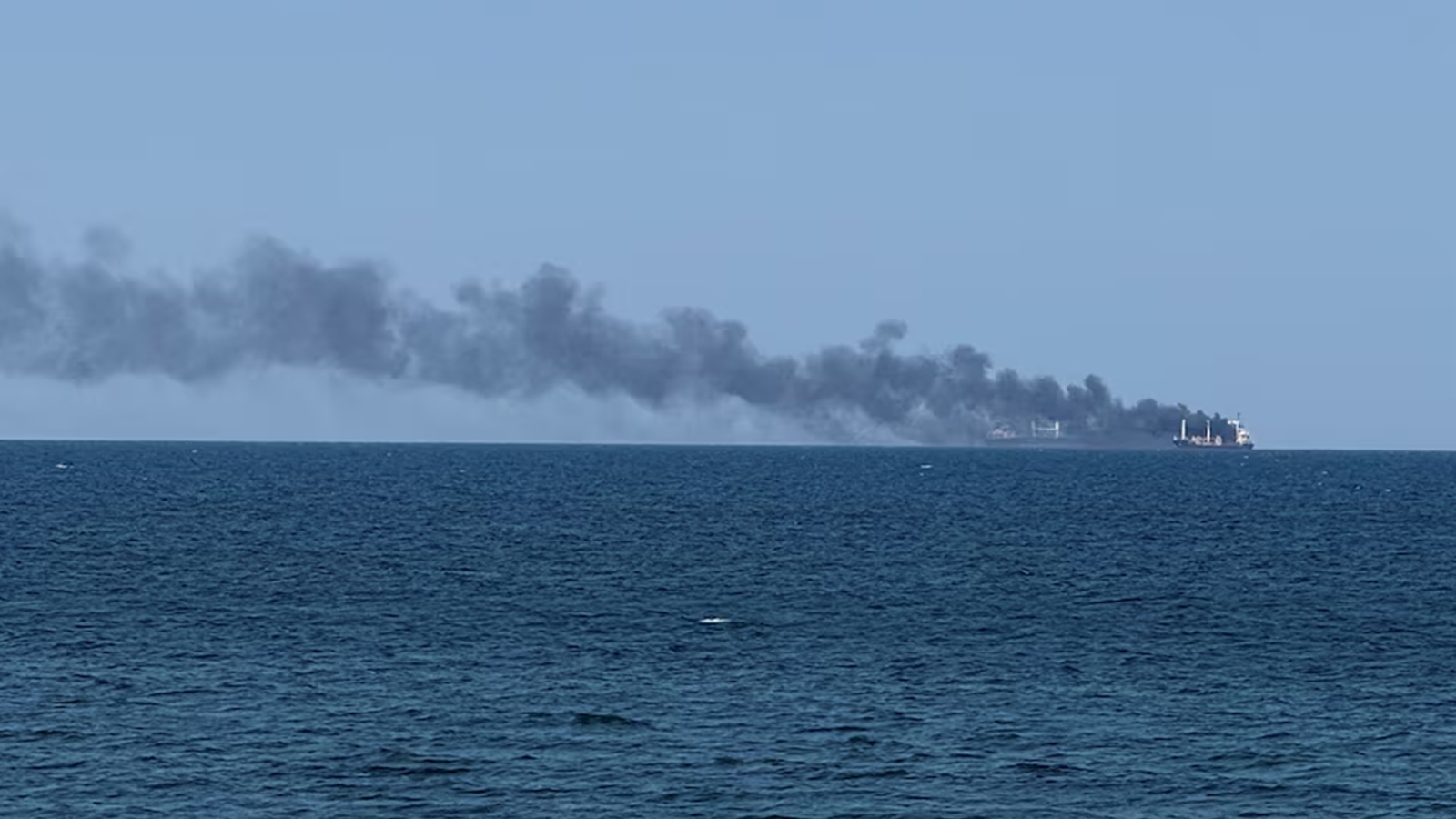
The Convenient Myth of the Unexpected Attack
Every time a commercial freighter takes a missile in a war zone, the global media playbook fires up with predictable precision. Outrage ensues. Pundits line up to express shock that non-combatants—specifically merchant mariners navigating high-risk corridors—were caught in the crossfire. The coverage around the tragic loss of four Indian crew members off Odesa follows this exact, tired script.
It is time to kill the narrative that these events are sudden, unpredictable tragedies.
When a merchant ship sails into an active naval theater with active anti-ship battery emplacements, GPS spoofing, and sea mines, an attack is not a black swan event. It is a calculated operational risk accepted by shipowners, charterers, and flag states who weigh human crew safety against surging war-risk insurance premiums and inflated freight rates.
The industry treats seafarers like low-cost, expendable inputs while pretending to be surprised when war zones behave like war zones.
The Cold Economics of the High-Risk Maritime Trade
Navigating contested waters like the Black Sea is not a failure of intelligence; it is a business decision.
Commercial shipping operates on razor-thin margins in peacetime and staggering margins during crises. When conflict erupts, freight rates for hazardous routes skyrocket. Ship operators do not cross these waters out of geopolitical goodwill or a commitment to global food security. They do it because the risk premium pays.
The Real Chain of Risk Transfer
- The Charterer: Demands cheap transport for high-value commodities like grain or metals, pushing the envelope on hazardous route navigation.
- The Shipowner: Calculates the war-risk insurance surcharge, passes the bill to the charterer, and pockets the margin.
- The Flag State: Flags of convenience offer minimal oversight, zero real-time tactical protection, and zero legal accountability when hulls burn.
- The Seafarer: Recruited primarily from developing nations, working on contracts where refusing to sail into a combat area often means blacklisting or financial ruin.
I have spent years watching corporate risk assessments pass through executive desks. The math is brutal. If the payout for successfully delivering a cargo outweighs the hull insurance deductible and the statutory death benefits owed to a crew member's family, the vessel sails.
Calling this an "unprovoked tragedy" strips the situation of its financial reality. It is systemic exposure.
Flags of Convenience: The Shell Game Masking Responsibility
Why were Indian nationals dying on a vessel near Odesa in the first place? Because the global maritime labor market relies on a structural imbalance.
Developing nations supply the vast majority of the world's merchant mariners. These seafarers man ships registered in countries like Panama, Liberia, or the Marshall Islands—jurisdictions chosen specifically because they offer regulatory loopholes and low tax liabilities.
When a vessel flies a flag of convenience, national navies have little legal obligation or strategic incentive to escort it. The ship exists in a regulatory void. When a strike occurs, the public diplomatic response usually involves brief statements of regret from foreign ministries, while the offshore corporate entity that actually owns the vessel shields itself behind layers of legal shell companies.
The crew takes 100% of the physical threat while receiving 0% of the upside generated by war-zone freight surcharges.
Stop Asking the Wrong Questions About Maritime Security
Media coverage endlessly loops the same superficial questions: How did the missile bypass defenses? Who fired the projectile? What will diplomacy do to secure the port?
These questions miss the entire point.
If you want to understand why merchant mariners keep dying in conflict zones, you have to ask questions that target the financial incentives driving ships into those waters.
Why Do Crews Lack Real Refusal Protections?
International maritime rules technically allow seafarers to refuse to enter designated high-risk areas. In practice, this right is a illusion. A seafarer who demands to be repatriated before entering a combat zone faces immediate termination, paying their own transport costs home, and unspoken blacklisting by crewing agencies. The choice between physical safety and career suicide is no choice at all.
Why Are War-Risk Premiums Allowed to Substitute for Physical Protection?
Underwriters price the risk of ship destruction every single day. Insurance market adjustments do not protect lives; they protect capital. When insurers double war-risk premiums, they do not mandate armed escorts or hardened defensive systems—they simply ensure the financial syndicate remains profitable if a ship sinks. Capital is insulated; human flesh is not.
Rebuilding the Framework: What Real Accountability Looks Like
If the maritime industry actually cared about stopping the loss of life in zones like Odesa, the fixes would not involve diplomatic posturing or vague calls for peace. They would involve immediate, structural financial penalties for bad actors.
- Mandatory Profit-Sharing Surcharges: Any war-risk bonus paid by charterers must go directly to the mariners on board, not trapped in corporate balance sheets.
- Binding Refusal Immunity: Global labor laws must impose severe financial penalties on any crewing agency or shipowner that penalizes a seafarer for exercising their right to disembark before entering a combat zone.
- Flag-State Liability: If a flag-of-convenience state cannot provide naval protection or enforcement in a high-risk zone, it should lose the legal right to register vessels operating in those waters.
Until the financial burden of seafarer casualties exceeds the profit made from high-risk freight rates, nothing changes. Shipowners will continue to calculate acceptable losses, media outlets will continue to run shocked headlines, and seafarers will continue to pay the ultimate price for corporate risk calculations.