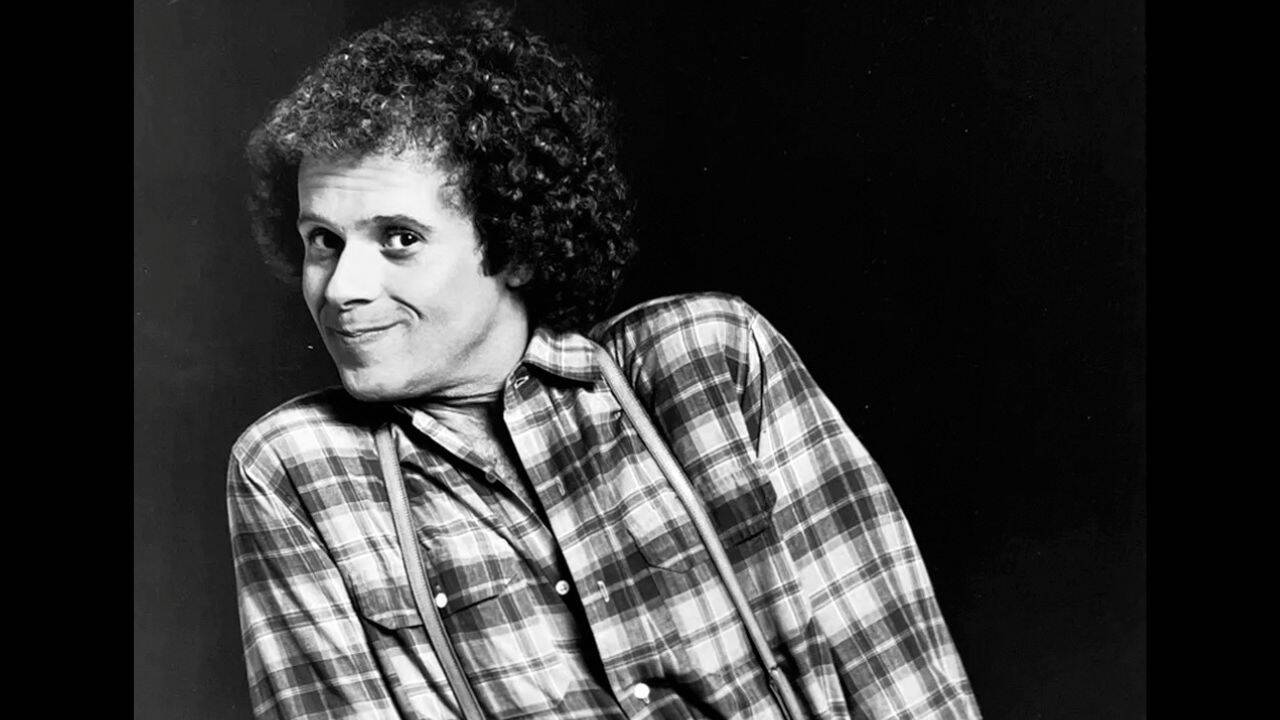
We have coddled ourselves into a state of total paralysis. For decades, the wellness industrial complex has peddled a toxic, feel-good dogma: Step one, like yourself. Step two, eat broccoli. Step three, magic happens. It is a comforting lullaby designed to keep you trapped on the couch, waiting for a celestial epiphany of self-love before you are finally permitted to change your life.
It is complete garbage.
Richard Simmons built an empire on this sentimental fluff, and modern self-help gurus still recycle it daily. They tell you that self-acceptance is the mandatory prerequisite for progress. If you hate your body, your habits, or your current station in life, you are ordered to halt all operations, stare into a mirror, and repeat affirmations until you achieve inner peace.
Here is the brutal truth from the trenches: You do not need to like yourself to fix your life. In fact, waiting until you love yourself is a brilliant psychological defense mechanism designed to protect you from the discomfort of doing hard work.
The Fatal Flaw of the Self-Esteem Movement
Psychology has known for decades that the entire premise of "self-esteem first" is backwards. Back in the nineteen-eighties, a massive California task force tried to engineer higher self-esteem in school children, assuming it would cure everything from crime to poor grades. It was an unmitigated disaster. The data proved that high self-esteem does not drive high performance or good behavior. Quite the opposite: competence breeds confidence, not the other way around.
When you demand that someone "like themselves" before they take action, you create an impossible moving target. How do you measure self-love? What metric proves you finally like yourself enough to hit the gym or clean up your diet? You cannot. It is a subjective, slippery emotion that shifts with your blood sugar levels and the weather.
I have watched ambitious professionals blow years and small fortunes on therapy sessions, journaling retreats, and mindfulness apps trying to "heal their inner child" and cultivate radical self-acceptance. They emerge poorer, slightly more articulate about their trauma, and just as out of shape and undisciplined as when they started.
Action precedes identity. You do not think your way into a new way of acting; you act your way into a new way of thinking.
The Mechanics of Frictionless Discontent
Let us look at how human behavior actually operates under pressure. Imagine a scenario where a military recruit arrives at boot camp. Do the drill instructors sit them down in a circle, hand them herbal tea, and whisper, "First, you must learn to deeply appreciate your current fitness level"?
Of course not. That would get people killed.
Instead, they leverage productive discontent. They introduce massive friction into the environment. They strip away comfort, dismantle bad habits through sheer repetition, and force compliance long before emotional buy-in ever occurs. The emotional attachment to the process comes after the capability is built.
When you rely on "liking yourself," you treat motivation as a finite fuel source. When you feel bad, you stop. When self-doubt creeps in, you quit. Discontent, however, is a renewable resource. Hatred of your current mediocrity is a powerful, reliable engine.
- Complacency is fueled by comfort. If you are comfortable staying the same, you will never change.
- Affirmations are an anesthetic. They numb the pain of failure without removing the underlying cause.
- Action is an absolute. Pushing iron or eating a clean meal requires muscle contraction, not emotional validation.
Do not wait until you feel worthy of health. Do the work out of pure, unadulterated spite for your current results.
Rewriting the Three-Step Rule
Let us completely dismantle the classic three-step wellness formula and replace it with something that actually survives contact with reality.
Step One: Acknowledge Your Current Inadequacy
Stop lying to yourself about your baseline. Radical acceptance is often a euphemism for resignation. Look at your daily output, your physical markers, your financial health, and your discipline. If the data is ugly, admit it is ugly. You do not have to love the mess to clean it up, but you do have to admit it exists.
Step Two: Weaponize Friction
Diet and lifestyle advice usually fails because it tries to make everything "seamless" and "sustainable." Real growth requires friction. You need to build systems that do not care how you feel when you wake up at six in the morning. Build guardrails that make failure more painful than compliance. If your success depends on waking up with a smile and a deep love for kale, you have already lost.
Step Three: Let Feelings Catch Up Later
This is where the traditional formula completely collapses. When you build competence, self-respect follows naturally. Six months of rigorous execution will do more for your mental health than a decade of self-help seminars. You will look back at your past self and realize you didn't need to like yourself back then; you just needed to shut up and execute.
The Downside of the War on Comfort
Let us be entirely transparent about the cost of this approach. Embracing discontent and aggressive action has a dark side. It is exhausting. It leaves no room for endless processing of your feelings. It requires you to operate with a low-grade friction against your natural impulses toward laziness and instant gratification.
If you adopt this mindset, you will alienate people who prefer to wallow in perpetual self-discovery. You will stop sympathizing with endless excuses. You will become impatient with inefficiency, both in yourself and in others.
That is a trade worth making.
The next time someone tells you that your primary mission in life is to learn how to love yourself, smile politely, ignore them, and go lift something heavy.