The non-profit industrial complex loves a feel-good montage. Put a group of neurodivergent adults in a brightly lit community studio, hand them some leafy greens, queue up an upbeat pop track, and watch the "confidence" magically bloom.
It makes for great donor brochures. It makes for terrible intervention design.
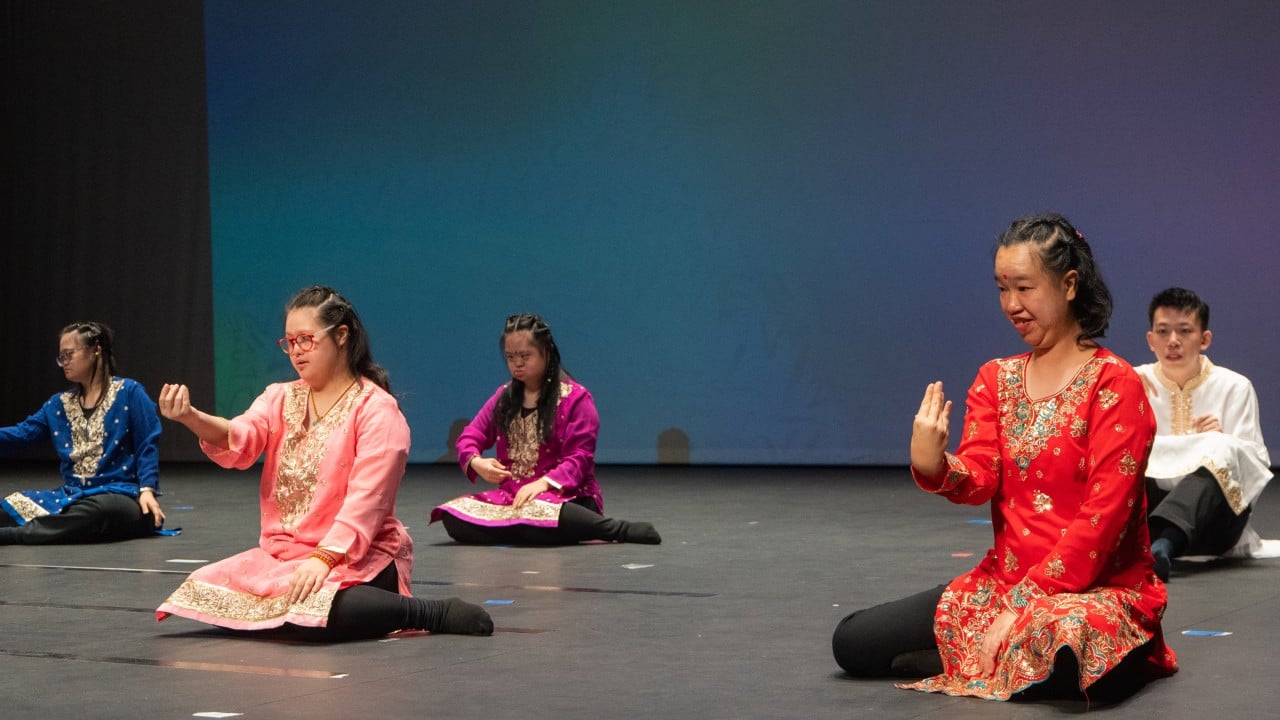
A recent wave of feel-good media coverage—exemplified by spotlights on Hong Kong charities using nutrition workshops and dance classes to build confidence in neurodivergent individuals—peddles a dangerously seductive myth. The narrative goes like this: neurodivergent people lack confidence, and the cure is wholesome lifestyle enrichment. Teach them to chop vegetables and learn a choreography routine, and suddenly they will stride into the world ready to conquer employment, relationships, and independent living.
This is the lazy consensus of disability charity work. It confuses compliance with confidence, mistakes sensory masking for self-esteem, and treats systemic structural exclusion as an individual self-improvement problem.
If you have spent any real time in occupational therapy clinics, special education boardrooms, or neurodivergent advocacy circles, you know the truth. Most neurodivergent adults do not suffer from a confidence deficit. They suffer from a competence-recognition deficit and chronic environmental mismatch.
The "Confidence" Trap
Let’s dissect the premise before we even touch the dance floor.
When charity directors talk about "building confidence" in autistic people or adults with ADHD, what are they actually measuring? Usually, they are measuring how comfortable neurotypical observers feel around them.
When an autistic adult learns to suppress their natural stimming, force eye contact during a group activity, and mirror the synchronized movements of a dance instructor, neurotypical observers applaud. They call it "coming out of their shell." They call it "confidence."
In clinical reality, that is often masking—a documented survival mechanism where neurodivergent individuals consciously or unconsciously camouflage their natural traits to avoid social rejection. Research from institutions like the University of Cambridge’s Autism Research Centre has repeatedly linked high levels of camouflaging to severe exhaustion, anxiety, burnout, and suicidality.
Imagine a scenario where you are dropped into a room where the fluorescent lights hum at an unbearable frequency, the bass from the speakers vibrates in your teeth, and a well-meaning instructor demands you mimic rapid, sequential motor movements while smiling at strangers. You survive the hour. You do the steps. Everyone claps.
Did you gain confidence? Or did you just burn through four days' worth of your nervous system’s battery to earn a pat on the head?
Real confidence does not come from performing neurotypicality in a subsidized dance studio. Real self-efficacy—the psychological bedrock defined by Albert Bandura as a person's belief in their innate ability to execute behaviors necessary to produce specific performance attainments—comes from autonomy, agency, and environmental control.
Why Dance Interventions Often Backfire on the Neurodivergent Nervous System
Movement is undeniably good for human physiology. Nobody is arguing against exercise. The issue is the specific, uncritical prescription of choreographed group dance as a blanket confidence-booster for neurodivergent populations.
Let’s look at the actual neurology at play:
- Dyspraxia and Motor Planning: Developmental Coordination Disorder (dyspraxia) co-occurs with autism and ADHD at extraordinarily high rates. Asking someone with motor planning challenges to execute rapid, multi-limb choreography in a group setting doesn't build mastery; it highlights their neurological friction in front of peers.
- Interoceptive Confusion: Many neurodivergent people experience atypical interoception—the brain's perception of internal bodily signals like heart rate, muscle tension, hunger, and exhaustion. High-energy group classes override subtle internal cues. A participant might not realize they are overheated or approaching a sensory meltdown until they are already in the bathroom hyperventilating.
- The Mirroring Myth: Dance therapy often relies on synchronous movement to build social bonding. While neurotypical brains release endorphins from synchronized group behavior, neurodivergent brains often process simultaneous visual, auditory, and proprioceptive input as sensory overload.
I have watched well-funded community programs spend tens of thousands of dollars on arts and movement therapists, only to wonder why participant retention drops off a cliff after six weeks. They blame the participants' "lack of motivation." They never stop to realize that forcing a monotropic brain—a brain wired to focus deeply on one stream of attention at a time—to juggle rhythm, spatial awareness, social cues, and physical coordination simultaneously is cognitive torture.
If movement is the goal, give neurodivergent adults unstructured, self-directed somatic agency. Rock climbing, swimming, weightlifting, or solo martial arts forms allow a person to control the sensory input, set the pace, and experience genuine physical mastery without the performative pressure of a group routine.
The Moralizing Fallacy of "Healthy Eating" Workshops
Now let’s talk about the second half of the charity brochure: nutrition.
On paper, teaching neurodivergent adults about nutrition sounds practical. Everyone needs to eat. Poor diet correlates with worse physical and mental health outcomes. Where is the harm?
The harm lies in how neurotypical educators approach food. Standard nutrition workshops are built on neurotypical sensory assumptions: that food is a neutral fuel, that variety is inherently desirable, and that resisting unfamiliar textures is simply "pickiness" that can be educated away.
For a massive subset of the neurodivergent population, food is a sensory minefield.
- Sensory Processing Differences: To a person with oral hypersensitivity, the slimy texture of a cooked tomato or the unpredictable crunch of a raw vegetable isn't a mild annoyance—it triggers an involuntary gag reflex indistinguishable from eating spoiled meat.
- Avoidant/Restrictive Food Intake Disorder (ARFID): ARFID is heavily overrepresented in autistic populations. It is not vanity, and it is not stubbornness. It is a neurological eating disorder driven by sensory aversion, fear of aversive consequences, or low appetite signals.
- Executive Dysfunction: Knowing that salmon and quinoa are nutritious does nothing for an adult with severe ADHD whose executive dysfunction makes a seven-step cooking process feel like climbing Everest without oxygen.
When a charity runs a standard "healthy cooking" class, they inadvertently weaponize nutritional moralism. They label certain foods "good" and others "bad." When a neurodivergent participant can only tolerate beige, ultra-consistent, predictable foods—like plain pasta, crackers, or specific brands of chicken nuggets—because those are the only foods whose texture and flavor do not trigger a neurological threat response, standard nutrition education tells them their survival strategy is a moral failing.
That doesn't build confidence. It breeds shame.
The Nuance the Charities Miss: Sensory-First Nutrition
If you actually want to improve the nutritional profile of a neurodivergent adult, you throw the standard food pyramid in the trash and hire a sensory-informed occupational therapist alongside a registered dietitian who understands ARFID.
You don't force them to eat salad. You use food chaining—starting with the exact sensory profile they already accept (crunchy, salty, dry) and introducing microscopic variations that preserve the texture while shifting the nutrient density. You teach low-executive-function meal assembly, not gourmet cooking: pre-washed greens, rotisserie proteins, frozen steam-in-bag vegetables, and zero-prep nutrient dense shakes.
Most importantly, you validate that fed is best. Removing the shame around safe foods does more for a neurodivergent adult's self-esteem in ten minutes than ten weeks of kale-smoothie workshops.
Answering the Questions Nobody Wants to Ask Honestly
When families, donors, and educators search for ways to support neurodivergent adults, they tend to ask the same safe, sanitized questions. Let’s strip away the PR polish and answer them directly.
"Do dance and exercise classes actually improve social skills for autistic adults?"
Only if you define "social skills" as mimicking neurotypical body language. Decades of research into the Double Empathy Problem—pioneered by Dr. Damian Milton—demonstrate that communication breakdowns between autistic and non-autistic people are mutual, not a one-sided deficit. Putting autistic adults in a dance class doesn't fix a social deficit; it forces them to practice neurotypical social choreography. True social confidence happens when neurodivergent people are placed in environments where their natural communication styles—infodumping, parallel play, directness, non-eye-contact listening—are respected rather than corrected.
"Why do neurodivergent adults struggle with confidence in the first place?"
Because they spend their entire lives being told their natural operating system is broken. From childhood, they are corrected for how they sit, how they move their hands, how they speak, how they eat, and how they process emotion. Chronic invalidation produces learned helplessness. You cannot dance your way out of structural gaslighting.
"Are charity lifestyle programs completely useless?"
No. Here is the honest concession: for isolated adults who have been locked out of community spaces, any structured social gathering provides vital human contact and breaks up the monotony of isolation. If a participant genuinely loves dancing and enjoys cooking, these programs offer joy and community. The problem isn't offering dance or cooking as an optional recreational hobby. The problem is framing them as therapeutic confidence-builders while ignoring the systemic barriers—unemployment, housing insecurity, lack of workplace accommodations—that actually destroy neurodivergent self-worth.
What Actually Builds Neurodivergent Confidence
If charities in Hong Kong, London, New York, or anywhere else want to stop wasting donor money on optics and start building genuine, unshakeable confidence in neurodivergent adults, they need to flip their model upside down.
Stop trying to fix the person to fit the room. Change the room, and give the person real power.
1. Radical Environmental Autonomy
Before starting any workshop, hand control of the sensory environment to the participants. Dim the overhead lights. Provide noise-canceling headphones or loop earplugs at the door. Establish a zero-judgment "exit pass" policy where anyone can leave the room for ten minutes without explaining themselves. When a neurodivergent adult realizes their nervous system will be protected rather than overridden, their baseline anxiety drops—and real engagement begins.
2. Competence Over Enrichment
Confidence is a byproduct of undeniable competence. Instead of infantilizing adults with basic lifestyle crafts, train them in high-value, marketable skills aligned with monotropic strengths: data auditing, quality assurance testing, archival research, specialized coding, precision manufacturing, or technical illustration. Pay them a living wage for their output. Nothing builds self-esteem faster than looking at a bank account funded by your own specialized cognitive strengths.
3. Peer-Led Co-Design
Stop designing programs for neurodivergent people in rooms full of neurotypical board members. Hire neurodivergent adults to design, lead, and audit every single initiative. If a dance class is offered, let a dyspraxic or autistic instructor run it—someone who understands motor planning fatigue, builds in sensory decompression breaks, and prioritizes internal bodily joy over external aesthetic synchronization.
4. Systemic Advocacy Over Individual Remediation
Take half the budget spent on recreational enrichment and funnel it into employer education and workplace accommodation consulting. Teach local businesses how to conduct asynchronous interviews, write explicit task instructions, and eliminate open-office sensory chaos.
The Hard Truth About Feel-Good Charity
Charities love nutrition and dance because they are safe, apolitical, and visually charming. A donor can look at a photo of smiling young adults holding painted wooden spoons or striking a dance pose and feel warm inside. It requires zero structural change from society. It asks nothing of employers, landlords, or policymakers. It places the entire burden of adaptation squarely on the shoulders of the neurodivergent individual.
True confidence does not look like a synchronized dance routine. Sometimes it looks like wearing sunglasses indoors, eating the exact same meal for lunch four hundred days in a row, stimming openly during a board meeting, and demanding the accommodations you are legally owed.
Stop asking neurodivergent adults to dance for their dignity. Hand them the keys to their own environment, pay them for their minds, and get out of their way.