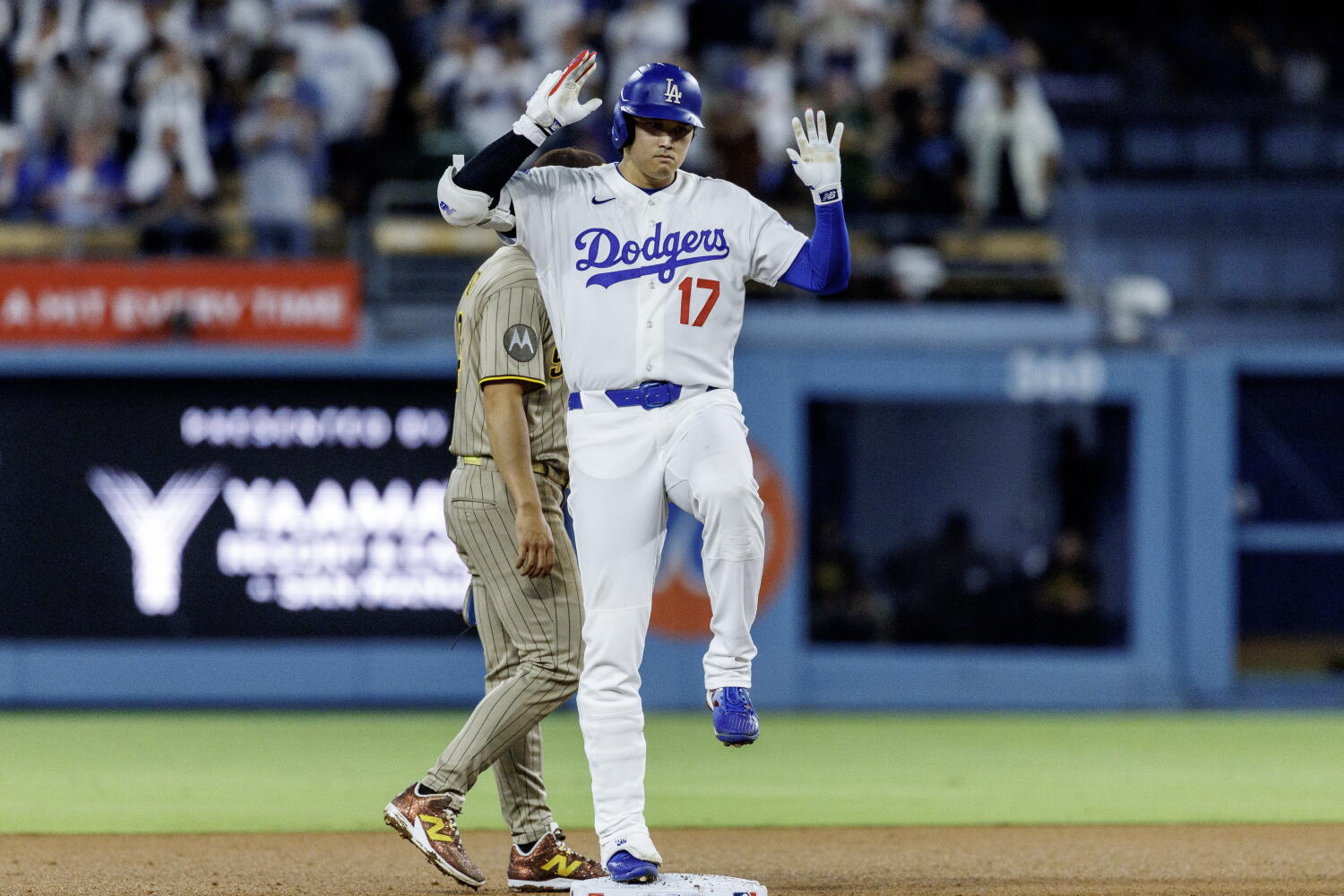
People love a slump narrative. The second a generational talent hits a rough patch or deals with physical setbacks, the hot takes start flying. Critics wonder if the magic is gone. They question if the injuries caught up for good. Then reality sets in, and you remember why doubting Shohei Ohtani is a waste of time.
Let's look past the noise. When you examine what Ohtani actually delivered during the season, the panic looks ridiculous. He posted a pristine 1.79 ERA across 14 pitching starts, racking up 95 strikeouts before physical wear and tear forced an early shutdown on the mound in July. At the plate, he hammered 30 home runs and drove in 81 runs, anchoring the Los Angeles Dodgers through a grueling schedule. Sure, nagging knee and biceps issues slowed his second-half offensive output down the stretch, but calling that a permanent decline is pure fantasy. Even playing through clear discomfort, he finished runner-up for the National League MVP award. That isn't a regression. That's a superstar having a "down" year that most players wouldn't sniff in their wildest dreams.
Why the Second-Half Dip Fooled Nobody Who Actually Watched
Baseball fans have short memories. When Ohtani hit a rough patch late in the year, social media scouts acted like his swing broke overnight. But context matters. Dealing with physical limitations that cut his pitching workload short meant he had to entirely adjust his daily preparation.
Instead of folding, he transitioned into a full-time offensive contributor while managing pain. Pitchers still had to respect his presence every single time he stepped into the batter's box. Opposing managers didn't pitch around him because they figured out a weakness; they did it because the threat was always real. Analysts who panicked over a few weeks of lower exit velocities forgot a basic truth. Great hitters make adjustments. Ohtani didn't forget how to hit a fastball. He was simply surviving a brutal physical grind while still putting up numbers that most designated hitters would frame on their wall.
The Two-Way Reality Check
We have to talk about the pitching side of the equation, too. Skeptics argued that returning to a two-way role would permanently compromise his hitting, or vice versa. What happened? In his 14 starts on the mound, he was practically unhittable. An 8-2 record with a sub-2.00 ERA isn't just good. It proves that his elite pitching form returned the moment he stepped back onto the rubber.
The injury interruption in July was frustrating, sure. It robbed us of a full season of historic dual-threat dominance. But it also proved that his ceiling remains unmatched. When healthy, he alters the entire landscape of Major League Baseball by himself. The Dodgers knew what they were signing, and front-office updates confirming he won't need major offseason surgery mean the blueprint for next year is already set. He's healing with rest, and the expectation inside the organization is total readiness for spring training.
What Comes Next for Baseball's Ultimate Unicorn
If you're waiting for Ohtani to fade into a standard designated hitter role, keep waiting. The intent to pitch again is absolute. When asked about his future on the mound, his answer left zero room for ambiguity. He wants to pitch, and he wants to dominate.
The real takeaway here is simple. Stop trying to diagnose a decline every time a legendary player deals with normal athletic injuries. Ohtani remains the gold standard in the sport. Watch how he prepares, trust the medical outlook, and expect him right back in the thick of the MVP race when the first pitch flies next spring.


