Ghost stories sell tickets. Skepticism pays nothing. For decades, the media has churned out breathless dispatches from creaking farmhouses, treating every settling floorboard and drafty hallway as empirical proof of the netherworld. The latest viral dispatch features another wide-eyed tourist paying top dollar to spend a night inside the infamous Rhode Island property immortalized by Hollywood. The headline screams that you never feel alone in those rooms.
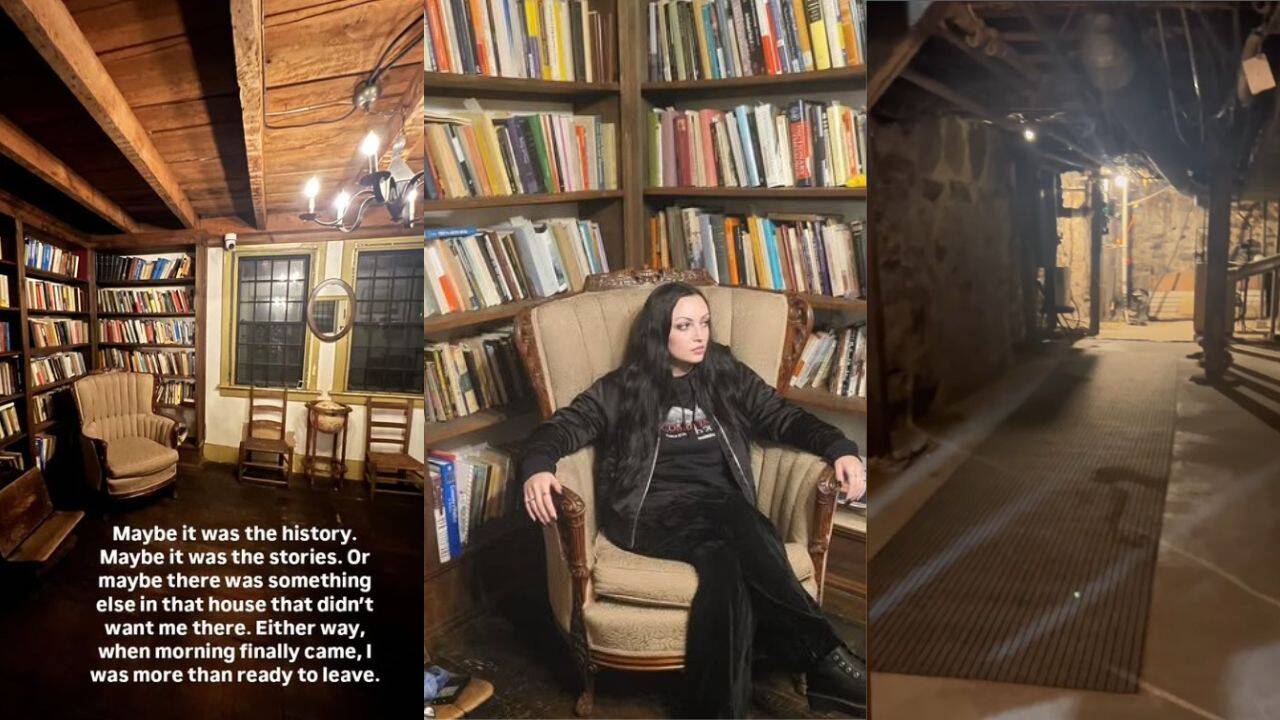
Of course you do not feel alone. You are surrounded by overpriced tickets, thermal underwear, high-end night-vision cameras, and the crushing psychological weight of a pop culture marketing machine that cost millions to build. When you drop upwards of a thousand dollars to sleep in a notoriously dark, drafty, 18th-century structure with a reputation for malice, your nervous system is already operating at maximum capacity before you even touch the doorknob.
Let us strip away the spooky folklore, the theatrical seances, and the lucrative merchandise tables. What remains is not a portal to hell or a haunted sanctuary. What remains is a masterclass in human psychology, sensory manipulation, and tourism capitalism.
The Architecture Of Manufactured Dread
Every historic structure comes with structural quirks. Old timber expands and contracts with shifts in temperature and humidity. Plaster cracks. Foundation stones settle. Wind whistles through antiquated window frames and chimneys with acoustic precision. In a modern suburban box, these sounds register as normal background noise. You ignore them because you understand how drywall and central heating work.
Place those exact same environmental sounds inside a building marketed as a terrifying demonic hotspot, and your brain instantly flips the switch from rational observation to hyper-vigilant paranoia.
I have watched companies burn through venture capital trying to manufacture engagement, but the paranormal tourism industry has perfected a much simpler trick. They do not sell square footage or luxury amenities. They sell fear. They take basic physics and rebrand it as spectral activity. When a floorboard groans under a temperature drop, the tourist does not think about thermal contraction. They think about a vengeful spirit creeping up behind them in the pitch black.
The human brain is a pattern-matching machine evolved to keep us alive in dangerous environments. When vision is restricted by total darkness, the brain compensates by dialing up auditory sensitivity. Every whisper of air is amplified. Every shadow stretching across a slanted bedroom ceiling becomes a menacing entity. The sensation of not being alone is not a ghost tapping you on the shoulder. It is your own amygdala firing off warning flares because you voluntarily locked yourself in a creepy house with a flashlight.
Pareidolia And The Power Of Suggestion
Let us talk about pareidolia. It is the psychological phenomenon where the brain perceives familiar patterns—most notably human faces or figures—where none actually exist. Look at clouds long enough, and you will see animals. Stare at wood grain in a dimly lit attic while clutching a digital voice recorder, and every random burst of static turns into an EVP chanting your name.
Ghost hunting relies entirely on this cognitive glitch. When you enter a space primed with the expectation of terror, suggestion takes the wheel. If the tour guide whispers that a former resident hated visitors in the cellar, every cold draft brushing against your ankles is automatically interpreted as hostile intent.
The media loves to run first-person essays detailing how visitors felt sudden temperature drops or phantom footsteps. Notice how these accounts never rely on calibrated, synchronized instrumentation monitored by independent third parties. They rely on feelings. Feelings are notoriously unreliable witnesses. If you go into an investigative weekend wanting an adrenaline rush, your biology will happily cooperate by generating the physiological markers of fear: elevated heart rate, sweating palms, and a hyper-active startle response.
Then you leave, write a breathless review about how the walls were breathing, and help sell out the booking calendar for the next six months. It is brilliant business. It is terrible science.
Infrasound And The Biological Trick
There is a physical explanation for haunted houses that rarely makes it into the glossy lifestyle profiles. It is called infrasound.
Sound waves below the threshold of human hearing—typically frequencies under 20 hertz—can have profound physical and psychological effects on the human body. Infrasound is generated by natural phenomena like severe wind, ocean waves, earthquakes, and poorly designed ventilation systems, or large vibrating structures.
Decades of research in acoustics and neurology have demonstrated that exposure to infrasound can trigger feelings of dread, panic, chills down the spine, and even visual distortions, such as gray shadows hovering in peripheral vision. In old historic homes plagued by architectural oddities and heavy winds, natural acoustic cavities frequently act as giant resonators for low-frequency sound waves.
You do not hear the sound. You feel it in your chest. Your stomach tightens. Your hairs stand on end. You look around an empty hallway, your eyes catch a trick of light at the edge of your vision, and your brain concludes that a ghost is sharing the room. You are reacting to a physics problem, not a poltergeist.
When researchers tested a supposedly haunted laboratory in the UK years ago, they discovered a silent exhaust fan operating at 18.9 hertz. Once the fan was turned off, all reports of supernatural hauntings vanished overnight. Yet nobody wants to buy a ticket to stay at a historic landmark to experience acoustic resonance from a faulty chimney draft. They want the demon. They want the narrative.
The Tourism Economy Of Dread
We need to look at the financial incentive structure behind modern paranormal hot spots. Preserving historic buildings is expensive. Roofs leak. Foundation stones crumble. Insurance premiums for century-old wooden structures cost a small fortune.
If you own an ordinary historic homestead, you might struggle to attract enough history buffs paying ten dollars a ticket to cover basic maintenance. But if you rebrand that same building as ground zero for demonic encounters, you can command premium overnight rates. You can sell merchandise, host private lockdown events, license reality television crews, and charge desperate thrill-seekers hundreds or thousands of dollars for the privilege of sleeping on a cot in a haunted bedroom.
The owners of these properties understand market positioning better than anyone. They cultivate an aura of danger and taboo. They lean heavily into the lore because the lore pays the bills. The moment you introduce boring, verifiable explanations involving dry rot, poor insulation, and acoustic resonance, the business model collapses.
The media plays along because fear generates clicks. A measured article explaining that a Rhode Island farmhouse makes creaking noises because wood expands in autumn does not trend on social media. A dramatic testimonial claiming that unseen claws grazed a visitor's neck at midnight feeds the algorithm indefinitely.
Stop Rewarding Lazy Mysticism
It is time to drop the pretense. There is nothing profound about paying to terrify yourself in a dark room. It is an expensive form of recreational adrenaline, no different than riding a roller coaster or walking through a commercial Halloween haunted maze, except the marketing relies on historical grief rather than rubber masks.
When you surrender your critical thinking at the front door of a famous tourist trap, you are not engaging with the unknown. You are paying a cover charge to let your own evolutionary anxieties exploit your wallet.
The next time you read a glossy feature about someone checking into a legendary house of horrors and feeling an icy breath on their neck, remember what is actually happening. A dark room, an active imagination, a pocket recorder picking up stray radio interference, and a clever marketing team laughing all the way to the bank.
Turn on the lights. Fix the roof. Stop paying a fortune to worship your own fears.