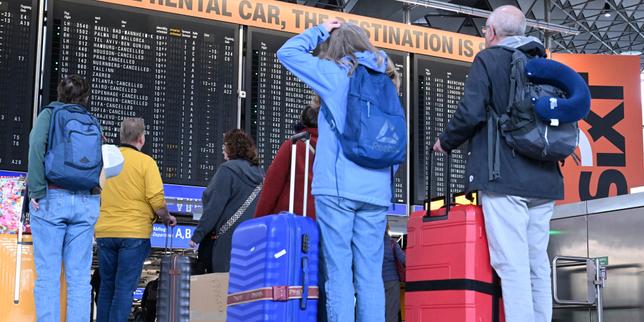
You’ve seen the headlines. There’s a war in the Middle East, the Strait of Hormuz is a mess, and rumors of a "looming jet fuel shortage" are making people wonder if their summer vacation is about to go up in smoke. It's easy to panic when you hear the International Energy Agency (IEA) calling this the "largest supply disruption in history." But before you cancel your hotel bookings and settle for a staycation, let’s get real about what’s actually happening on the tarmac.
Your flight probably won't be cancelled. Honestly, the odds are still heavily in your favor. While the supply chain for kerosene-type fuel is tighter than a middle seat in economy, the aviation industry isn't just sitting around waiting for the tanks to run dry. Most experts agree that 90% to 95% of flights will operate exactly as scheduled. The "shortage" isn't a total blackout; it’s a logistical headache that's going to hit your wallet much harder than your itinerary. If you enjoyed this piece, you should look at: this related article.
The Reality of Empty Tanks in 2026
We aren't in 1973, but it feels close. Ever since the escalation on February 28, 2026, the flow of crude oil has been shaky. Since the Strait of Hormuz is effectively a no-go zone for 70% of usual tanker traffic, Europe is feeling the burn. They get about 30% of their jet fuel from the Persian Gulf. When that tap shuts off, airlines have to scramble for alternatives from India or China, which are also dealing with their own supply crunches.
Here is the thing: airlines are businesses. If they can find fuel, they'll buy it, even at a premium. The "shortage" isn't necessarily a lack of physical fuel on the planet; it’s a lack of affordable fuel in the right places. Carriers like British Airways and Lufthansa are prioritizing their long-haul routes because that’s where the profit is. If a flight from Paris to New York makes them $100,000 and a short hop to a regional airport makes them $5,000, guess which one gets the fuel first? For another look on this development, see the latest coverage from AFAR.
Which Routes Are Actually at Risk
If you’re flying a major international route, don't sweat it too much. If you're flying a "secondary leisure route," you should probably have a Plan B.
- High Risk: Short-haul flights in the UK and Northern Europe. Ryanair already flagged that they might cut 5% to 10% of their peak summer schedule.
- Medium Risk: Regional hops to Greek islands or smaller French cities. These are the first to get trimmed when fuel is scarce.
- Low Risk: Flights through Southeast Asia or the Middle East hubs like Dubai and Doha. Even with the conflict, these hubs sit on top of the supply. They’re running stable schedules, even if the flight paths are a bit longer to avoid combat zones.
The real danger isn't being stranded; it’s the "stealth cut." Airlines might not cancel your flight today, but they might merge two half-empty flights into one, changing your 10:00 AM departure to a 4:00 PM one. It’s annoying, but it’s not a vacation-killer.
The Surcharge Sting is Real
This is where the shortage actually hits you. Jet fuel prices have essentially doubled since the start of the year, crossing the $150 per barrel mark in some regions. Airlines can't absorb that. They’re passing the bill to you through "fuel surcharges."
KLM doubled their long-haul surcharges. Qantas jacked up their fuel bill estimates by nearly $700 million. If you’re booking a flight from Paris to New York right now, expect to pay roughly $150 more per ticket just in fuel costs compared to last year. It’s a bitter pill, but it’s the price of keeping the planes in the air.
If you haven't booked your summer travel yet, stop waiting for a "deal." Fares aren't going down. Airlines like Cathay Pacific are reviewing their surcharges every two weeks. The price you see today is likely the cheapest it will be for the rest of the season.
How to Protect Your Summer Plans
Don't just hope for the best. Take a few smart steps to make sure a fuel hiccup doesn't ruin your year.
Choose Your Hub Wisely
If you have a choice, route through hubs with diversified supply. Singapore, Kuala Lumpur, and Bangkok are less exposed to the Hormuz blockade. Avoid tight connections in Northern Europe where "fuel management" might cause rolling delays.
Buy the Flexible Fare
Normally, I’d say skip the expensive flexible tickets. Not this year. If an airline cuts your flight due to "extraordinary circumstances" (which is what they’ll call a war-induced fuel crisis), they’ll give you a refund, but they might not pay for a last-minute seat on another carrier. A flexible fare gives you the power to jump ship to another airline if your original carrier starts trimming their schedule.
Build in a Buffer Day
If you’re connecting to a cruise or a big event like a wedding, arrive a day early. This isn't the summer to fly in "just in time." If your flight is one of the 5% that gets cut, you’ll need that 24-hour window to find an alternative.
Watch the 23-Day Mark
Industry data suggests that if an airport’s fuel reserves drop below 23 days, they start rationing. Keep an eye on travel news for your specific departure and arrival airports. If you see "fuel rationing" mentioned for your destination, that’s your cue to start looking at backup flight options.
The bottom line? The jet fuel shortage is a massive financial headache for airlines, but it's not a reason to hide under your covers. Book your tickets now, pay the surcharge, and keep a close eye on your inbox for schedule changes. You'll get to the beach; it’s just going to cost you a few more rounds of drinks to get there.
Check your flight status exactly 72 hours before departure. Most airlines won't know their final fuel allocation until a few days out. If you're still "confirmed" by then, you're likely in the clear.