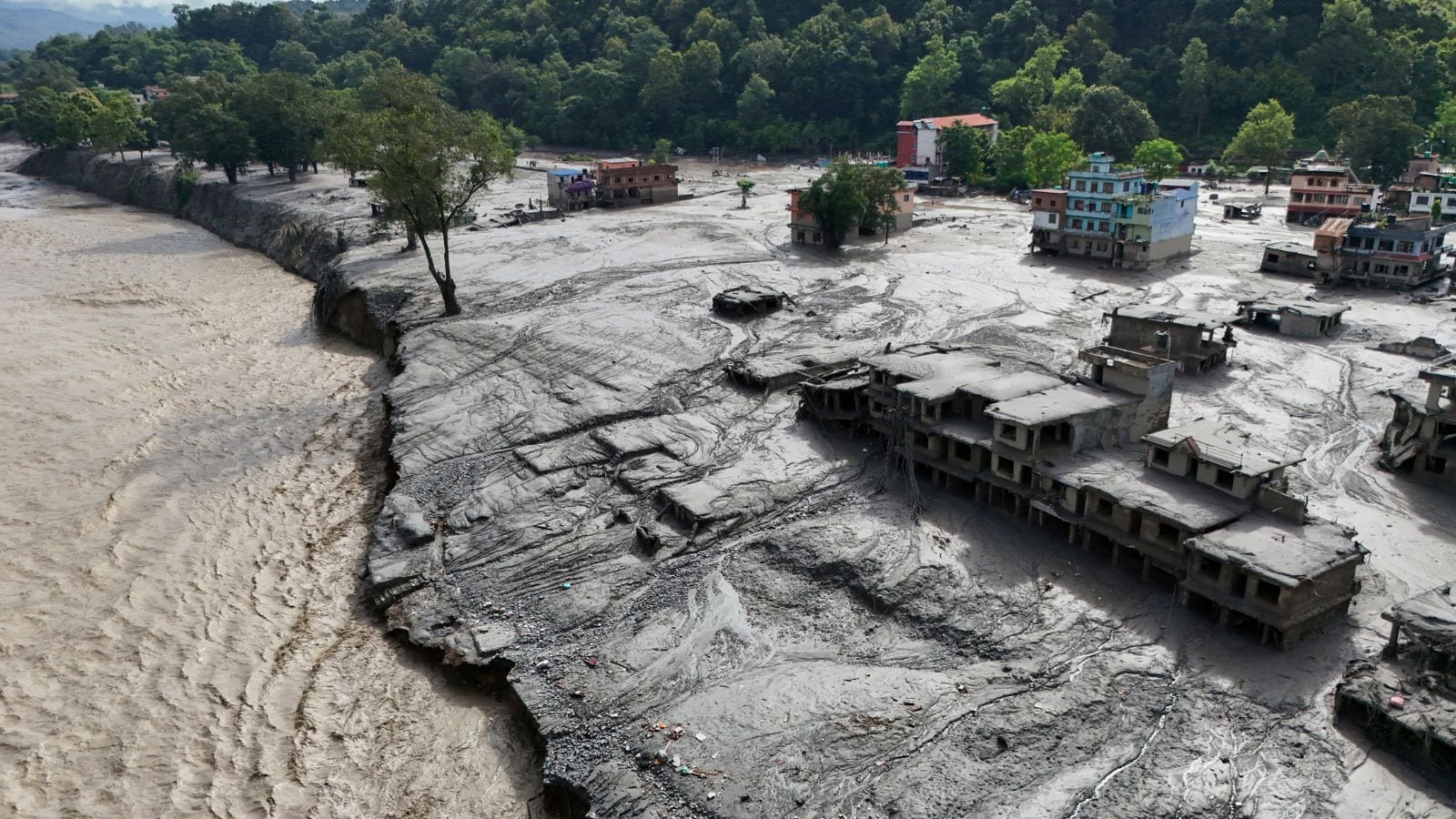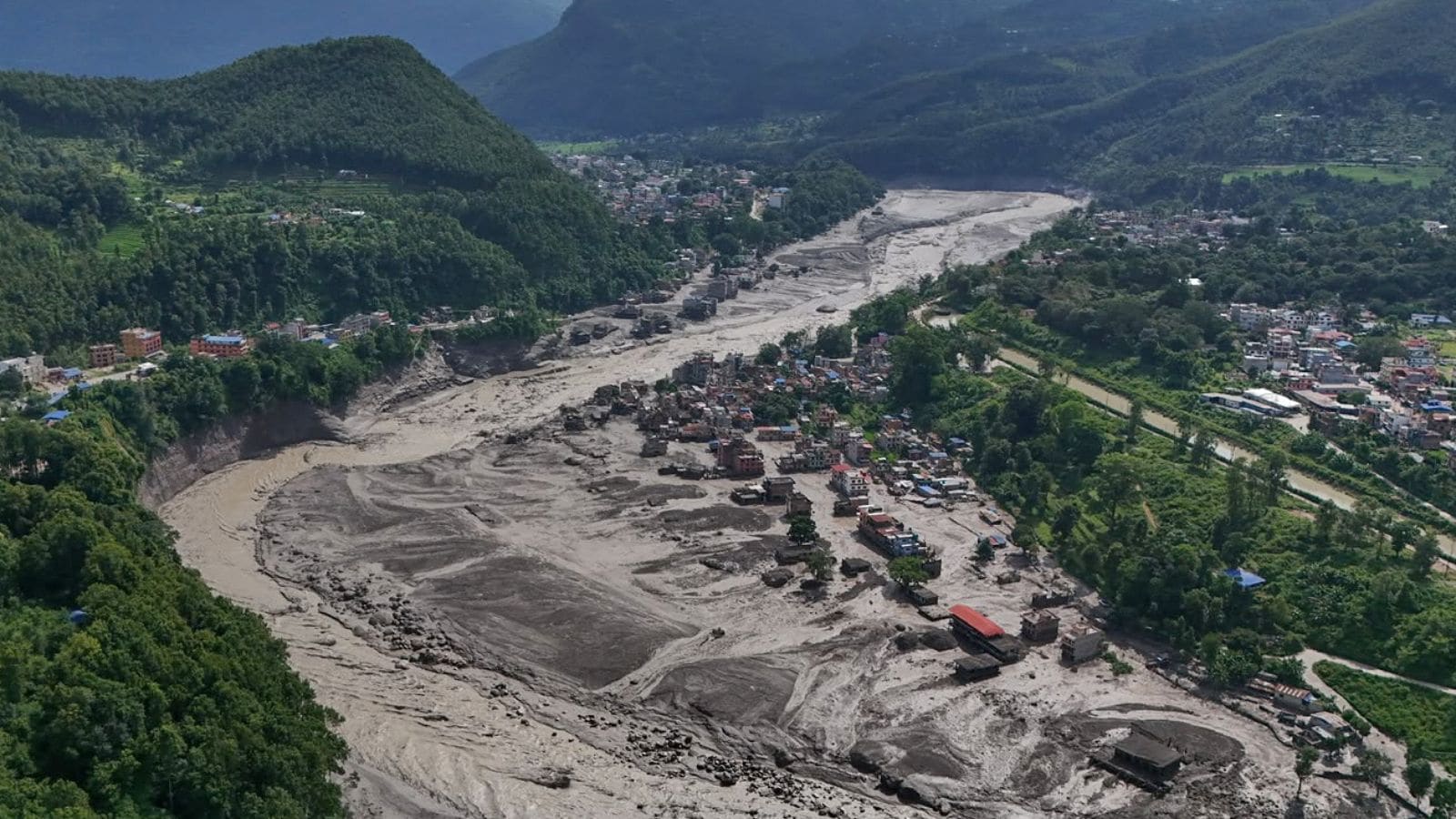
Another glacier shatters. Another valley vanishes under a brown wave of mud and debris. The headlines screech about 469 dead and more than 170 Indian nationals missing after a catastrophic glacial outburst tears through the porous borderlands of Nepal and Tibet. Pious commentators wring their hands over the cruelty of nature, while bureaucrats draft emergency relief packages and stage predictable photo-ops.
Save the tears. The real tragedy is not that the Himalayas are collapsing. The tragedy is that we keep building multi-million-dollar infrastructure, crowding pilgrimage routes, and moving millions of citizens directly into the crosshairs of predictable geological violence, all while pretending it's an Act of God. Recently making news in this space: Why Bill Gates Wants You To Forget His Epstein History.
We need to stop calling these events natural disasters. They are engineering failures born of human arrogance.
The Lazy Consensus of Climate Fatalism
Open any mainstream coverage of the recent deluge along the Bhote Koshi and Trishuli corridors, and you will find the same lazy narrative. Climate change happens, a glacier destabilizes, a barrier lake bursts, and innocent people are swallowed by the torrent. It paints a picture of a vengeful sky against which humanity is utterly helpless. Additional information into this topic are detailed by TIME.
This is comforting nonsense. It allows politicians to absolve themselves of planning failures and lets developers keep pouring concrete into fragile riverbeds.
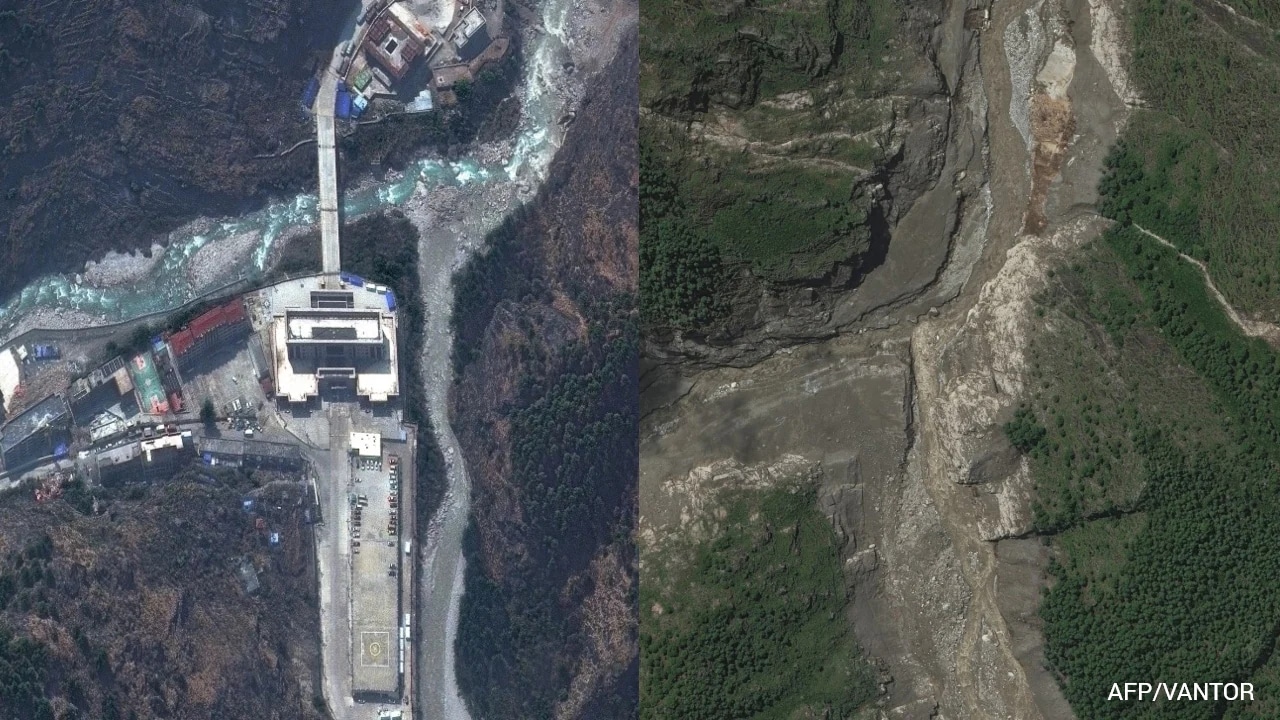
I have walked these valleys. I have seen hydro projects jammed into steep gorges where geological fault lines are mapped out in plain sight for anyone willing to look past a balance sheet. The collapse of the Rasuwagadhi border crossing and the decimation of worker camps did not happen because Mother Nature caught us off guard. It happened because we built heavy, permanent assets in a dynamic, high-altitude hazard zone and assumed the mountain would hold still just because our permits were approved.
When Chinese authorities flag upstream breach risks from a barrier lake holding millions of cubic meters of water, that is not a sudden plot twist. That is basic high-altitude hydrology. The water flows down. The rock gives way. Yet we act surprised every single time the laws of physics execute their mandate.
The Myth of Preparedness in the High Himalayas
Let us address the frantic rescue metrics dominating the news cycle. Governments scramble to count missing pilgrims, deploy a dozen helicopters, and debate whether to accept foreign boots on the ground.
Imagine a scenario where a corporation ignored clear structural warnings, crammed hundreds of employees into an active construction zone directly beneath an unstable slope, and then blamed the ensuing collapse on bad weather. Executives would face criminal charges. But when a state does it under the banner of development and pilgrimage tourism, we call it a tragedy and wait for the next fundraiser.
The focus on post-disaster body recovery and tourist headcounts misses the structural rot entirely. Nepal's refusal of external search and rescue units, favoring centralized financial aid instead, is often framed as national pride. Look closer. It is frequently a smoke screen to mask decades of unchecked zoning violations, lax environmental impact assessments, and a political economy addicted to donor money that arrives only after the bodies pile up.
Every year, thousands of trekkers and religious tourists stream toward sites like Mount Kailash through paths carved into unstable sedimentary walls. We romanticize the journey while ignoring the complete absence of real-time early warning telemetry. We rely on visual spot checks and outdated maps in a region where entire mountain faces shift by meters annually.
Dismantling the Border Zone Blindspot
The cross-border nature of this specific disaster exposes another systemic failure: institutional myopia. Water does not check passports at the Tibet-Nepal frontier. When a mudslide blocks the Chhochen Khola and Purepu Tsangpo rivers, forming a ticking time bomb of trapped water, the hazard is regional.
Yet, disaster response remains stubbornly nationalistic. India scrambles to track its missing citizens, China monitors the upstream barrier lake from a distance, and Nepal handles the downstream body count. This fractured command chain guarantees maximum confusion and minimum prevention.
If you want to understand why over 170 Indians and hundreds of others vanished into the freezing mud, look at the incentive structures. Tour operators want bodies moving to generate revenue. Local governments want hydro-electric royalties. No one profits from telling tourists that a gorge is a death trap during monsoon season.
We have optimized the Himalayas for extraction and tourism while starving them of basic safety architecture.
The Uncomfortable Prescription
Fixing this requires abandoning the delusion that we can engineer our way out of geological instability with taller concrete walls and faster helicopters.
First, we need to criminalize development within designated high-risk glacial lake outburst flood corridors. If a valley has a history of prehistoric glacial bursts, you do not build a worker colony or a trade port on its floor. Period.
Second, real-time sensor networks must replace bureaucratic guesswork. We have the technology to monitor sub-glacial water accumulation and slope displacement instantly. If Beijing and Kathmandu can cooperate on trade routes, they can share continuous hydrological data without political posturing.
Third, the insurance and tourism industries must stop underwriting recklessness. Pilgrimage and trekking must come with mandatory, strict seasonal cutoffs that respect environmental realities rather than calendar convenience.
Until we stop treating geological inevitability as bad luck, the death toll will keep climbing, and we will simply be rewriting the same headlines next season.