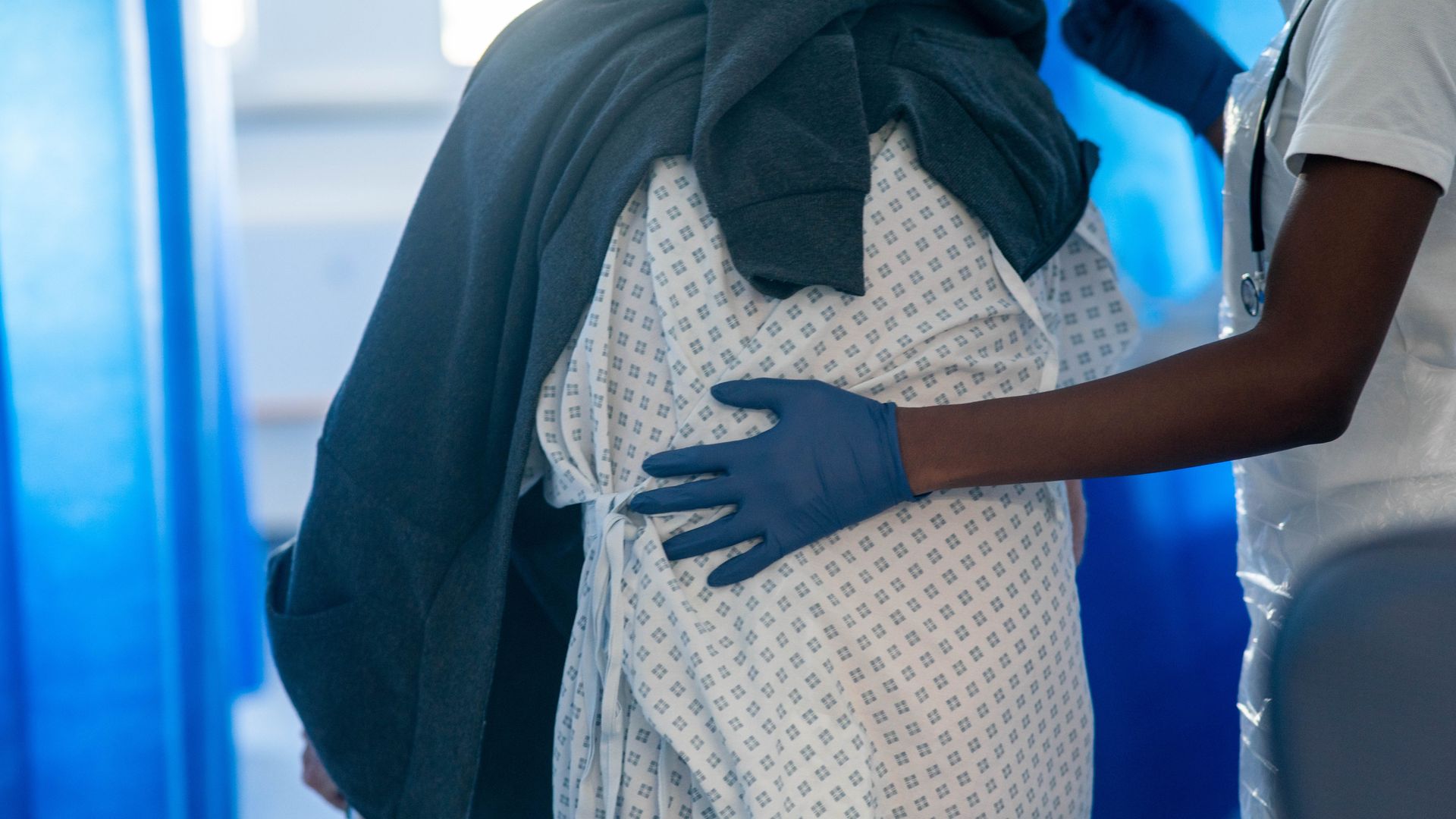
The hospital corridor smells of floor wax and stale coffee at three in the morning. For most, this hour represents the quiet space between exhaustion and the dawn. For the nurse station, it represents the waiting room of human vulnerability.
Listen closely. Also making waves in related news: The Sound of Silence Behind the Drums.
A monitor beeps a steady, reassuring rhythm in room twelve. Down the hall, a fluorescent bulb flickers, casting long, jittery shadows against pale green walls. A plastic chair scrapes hard against linoleum. Then comes the voice. It is sharp, serrated, and weaponized. It cuts through the sterile air with words that were never meant to heal.
They were meant to wound. More details on this are explored by Mayo Clinic.
We talk endlessly about healthcare systems as if they are abstract machines. We debate budgets, waiting lists, bed allocations, and policy reforms in wood-paneled committee rooms miles away from the smell of antiseptic. We treat the National Health Service as a balance sheet. But a balance sheet does not bleed. A policy document does not flinch when a fist hits the nurses' station desk.
People do.
Consider a hypothetical staff nurse we will call Elena. She has spent nine hours on her feet, navigating a ward running at one hundred and forty percent capacity. Her shoes are worn thin. Her back aches with a dull, persistent thrum. When she walks into room four to administer a scheduled antibiotic, she does not see a political talking point. She sees a human being in pain.
She also sees someone who looks at her uniform, hears her accent, and decides that she is the enemy.
The abuse rarely starts as a roar. It begins as a slow erosion. A muttered insult under the breath. A deliberate mispronunciation of a name. A demand backed by a sneer. Over time, these micro-aggressions accumulate like silt in a riverbed, choking the spirit of those who swore an oath to protect.
And then, the dam breaks.
Recent data reveals an unsettling truth that administrators whisper about behind closed doors. The rising tide of racist abuse directed at health workers is not a series of isolated incidents. It is an epidemic. Official figures show thousands of reported cases of racially motivated hostility against NHS personnel every single year.
Thousands.
Think about what that number actually represents. Each digit is a human being who drove to work with a sense of purpose, only to be told that their skin color, their heritage, or their birthplace makes them less worthy of basic human dignity.
Why is this happening?
The answer is as uncomfortable as it is complex. Hospitals and clinics are microcosms of society. When social anxieties, economic fears, and cultural divisions boil over in the outside world, they do not check themselves in at reception. They walk right through the automatic sliding doors. They sit in the waiting room. They demand immediate attention, fueled by a toxic cocktail of entitlement and prejudice.
When a patient or a visitor directs racial slurs at a doctor, a cleaner, a porter, or a nurse, they are committing an act of profound sabotage. They are breaking the invisible social contract that keeps society from unraveling.
We expect our healers to be superhuman. We demand that they absorb trauma, process grief, work double shifts without complaint, and smile through the exhaustion. We ask them to wear a shield of infinite patience. But we forget that shields have weight, and eventually, the arm grows tired.
When Elena goes home after a shift marked by verbal abuse, she does not instantly shed the experience like a disposable apron. It follows her into the car. It sits with her at the kitchen table while the house is dark. It whispers doubts into her ear. Why am I doing this? Is it worth it?
Multiply Elena by tens of thousands across every hospital trust, GP surgery, and ambulance bay in the country.
The consequences are devastatingly predictable. Burnout accelerates. Experienced staff hand in their badges, walking away from professions they once loved because the emotional tax has simply become too high. Recruitment crises deepen not just because of pay disputes, but because the working environment has become hostile territory.
When we lose an experienced nurse to abuse-driven burnout, we lose decades of accumulated wisdom. We lose the quiet reassurance of a seasoned hand holding a frightened patient's wrist. We lose institutional memory. We lose the human core of public health.
There is a dangerous myth that verbal abuse is just part of the job. That working in a high-stress environment gives people a free pass to unleash their worst impulses.
That myth must die.
A hospital is a sanctuary, not a battleground. The staff are not targets for displaced anger. They are daughters, sons, mothers, fathers, and neighbors who happen to wear scrubs. They show up when everyone else is running away.
Change requires more than posters on staff room walls urging resilience. Resilience is no longer enough when the baseline expectation is that you should simply endure hostility.
What is needed is zero tolerance with teeth. It means robust legal protections that treat assaults on healthcare workers with the gravity they deserve, regardless of whether those assaults leave physical bruises or invisible scars. It means security staff empowered to act swiftly. It means leadership teams standing shoulder to shoulder with their teams, refusing to sweep misconduct under the rug in the name of customer satisfaction metrics.
Because healthcare is not customer service. It is life and preservation.
The next time you walk down a hospital corridor, look past the medical charts and the IV drips. Look at the eyes of the person behind the desk. Notice the steady, quiet grace with which they carry the weight of a broken world.
They are holding the line.
It is long past time we made sure they do not have to hold it alone.